Search results for: 'acth'
-
ACTH Test$89
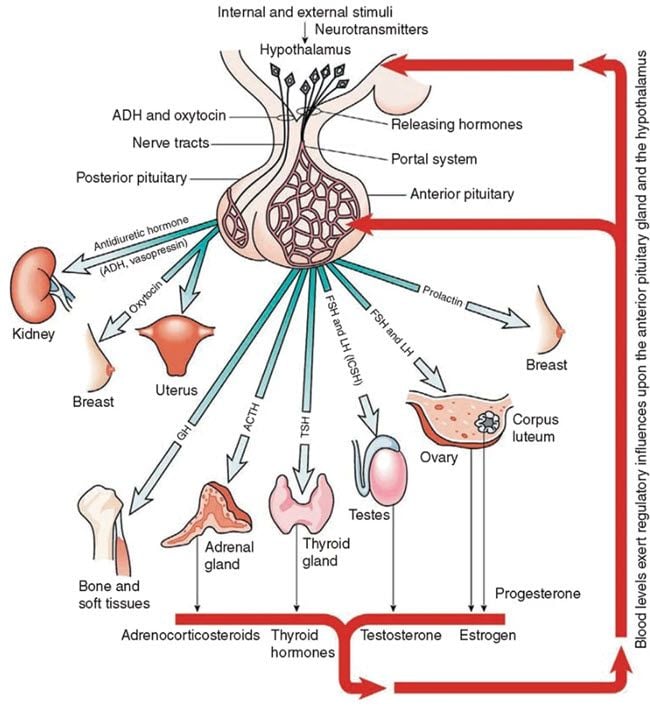
Learn MoreThis test measures levels of drenocorticotropic hormone (ACTH), which is also called adrenocorticotropin and corticotropin, a hormone made in the anterior pituitary gland that tells the adrenal glands to release cortisol, DHEA, and aldosterone. The ACTH plasma test quantifies the blood's level of ACTH. A patient's blood is drawn for the test and then sent to a lab for examination. The test findings enable the diagnosis of ailments such as Addison's disease, Cushing's syndrome, and adrenal tumors
-
DHEA-Sulfate$43
Learn MoreThe adrenal gland produces a hormone known as dehydroepiandrosterone (DHEA). It is also made in the brain. DHEA leads to the production of androgens and estrogens (male and female sex hormones). DHEA levels in the body begin to decrease after age 30. Lower DHEA levels are found in people with hormonal disorders, HIV/AIDS, Alzheimer's disease, heart disease, depression, diabetes, inflammation, immune disorders, and osteoporosis. Corticosteroids, birth control taken by mouth, and agents that treat psychiatric disorders may reduce DHEA levels.
-
Cortisol Blood Test$30
Learn MoreCortisol (hydrocortisone) is the most prominent glucocorticosteroid, and it is essential for the maintenance of several body functions. The most important physiological effects of cortisol are that it raises blood sugar levels (enhances gluconeogenesis, or breaks down glucose) and lowers inflammation and the immune system.
-
Water Retention Panel: Aldosterone/Plasma Renin Activity Ratio, LC/MS/MS$204
Learn MoreRenin, also known as angiotensinogenase, is an enzyme that the kidneys produce to regulate aldosterone production. It’s also essential in the renin–angiotensin aldosterone system (RAAS) which maintains your body’s fluid balance and blood pressure. Aldosterone is the primary of several endogenous members of the class of mineralocorticoids in humans. Aldosterone tends to promote sodium and water retention, and lower plasma postasium concentrations.