Search results for: 'pregnenolone'
-
Pregnenolone$126
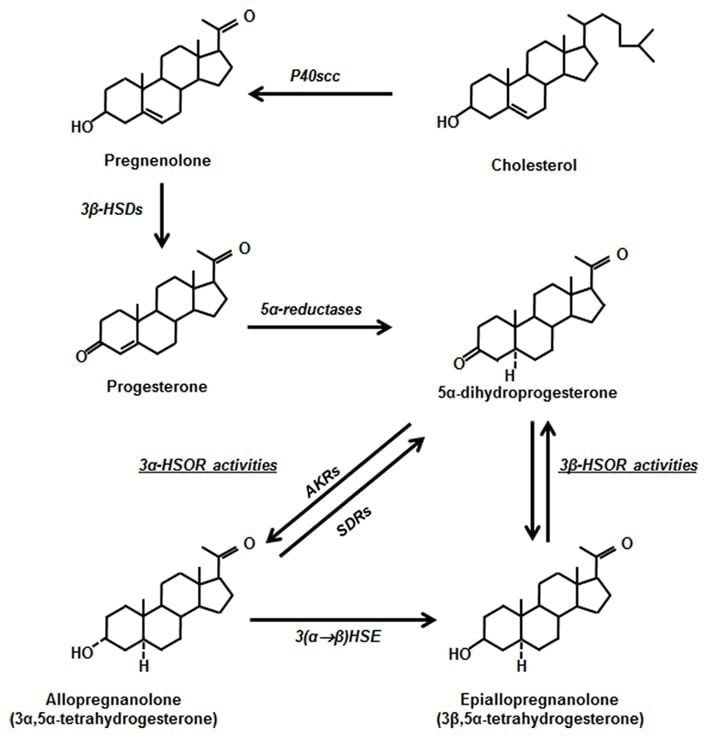
Learn MorePregnenolone is known as the mother hormone. All other steroids including testosterone and estrogen are derived from this important hormone. For this reason, optimal blood levels of pregnenolone are critical for a healthy hormone balance. This test uses liquid chromatography/mass spectrometry, the most accurate assay for hormones.
-
Hormone Panel for Men on TRT- Upstream & Downstream$622
Learn MoreThis hormone panel for men on testosterone replacement therapy (TRT) contains upstream and downstream hormones to testosterone. TRT has been shown to decrease upstream hormones like pregnenolone and progesterone, and slightly decrease DHEA. Downstream hormone metabolites like ultrasensitive estradiol and DHT are also included. Lastly, prolactin is added since high prolactin can decrease sexual function. No LH and FSH were included since TRT shuts them down.
-
Wellness by Design Female Panel$1,133
Learn MoreComprehensive and All-Inclusive Lab Test Panel for clients of The Wellness By Design Project. The panel includes: Testosterone Free with Total, Estrogens Total, Estrone, Estradiol, DHEA-S, Progesterone, Pregnenolone, Dihydrotestosterone (DHT), FSH/LH, Cortisol, Prolactin, TSH, Free T3, Free T4, Reverse T3, Anti TPO, AntiTG, C-reactive protein (high sensitivity), Homocysteine, Apolipoprotein B, Insulin-like Growth Factor 1 (IGF-1), Insulin, Sex Hormone Binding Globulin (SHBG), Vitamin D 25-hydroxy, Complete Metabolic Panel, Gamma Glutamyl Transferase (GGT), Lipid Profile, Complete Blood Count (CBC), Hemoglobin A1C (HbA1C), Magnesium (serum), Phosphorus (serum), LDH, Uric Acid, Iron Serum, Total Iron Binding Capacity (TIBC), Iron Saturation, Ferritin, and Fibrinogen activity.
-
DHEA-Sulfate$43
Learn MoreThe adrenal gland produces a hormone known as dehydroepiandrosterone (DHEA). It is also made in the brain. DHEA leads to the production of androgens and estrogens (male and female sex hormones). DHEA levels in the body begin to decrease after age 30. Lower DHEA levels are found in people with hormonal disorders, HIV/AIDS, Alzheimer's disease, heart disease, depression, diabetes, inflammation, immune disorders, and osteoporosis. Corticosteroids, birth control taken by mouth, and agents that treat psychiatric disorders may reduce DHEA levels.