Search results for: 'account'
-
Cardio IQ Insulin Resistance Panel with Score$283
Learn MoreThe Cardio IQ® Insulin Resistance Score (IR), which uses fasting insulin and C-peptide measurements to estimate a person's likelihood of having insulin resistance. It eliminates the need for multiple samples and reduces the chance of errors that can occur with some other tests.
Having a high score (indicating a greater probability of insulin resistance) was linked to an increased risk of developing type 2 diabetes, even after accounting for other risk factors.
An IR score of <33 suggests that an individual has normal insulin sensitivity.
A score of 33 to 66 suggests that an individual has >4-fold greater odds of having IR compared with an individual with a score <33 .
A score >66 suggests that an individual has >15-fold greater odds of having IR compared to an individual with a scoreFasting Required for 10-12 hours. Water only.
-
PROTEIN, GLOBULIN & ALBUMIN$17
Learn MoreProtein, Gloublin and Albumin - The major proteins seen in the serum are albumin and globulin-the latter being primarily alpha 1 and alpha 2 globulin, beta globulin and gamma globulin. Albumin accounts for more than 50% of the total serum proteins. The albumin to globulin (A/G) ratio has been used as an index of disease state, however, it is not a specific marker for disease because it does not indicate which specific proteins are altered. The normal A/G ratio is 0.8-2.0. The A/G ratio can be decreased in response to a low albumin or to elevated globulins. Total globulins may be increased in some chronic inflammatory diseases (TB, syphilis) multiple myeloma, collagen disease, and rheumatoid arthritis. Decreased levels are seen in hepatic dysfunction, renal disease and various neoplasms.
-
Reverse T3 Test$86
Learn MoreThe reverse T3 test has to be done at the same time you do the free T3, and you then measure the ratio between the two by dividing the RT3 into the Free T3. The body produces the benign RT3 naturally to rid itself of excess of T4, but in some cases, such as high or low cortisol, RT3 is produced in excess, which can clog cell receptors from receiving T3. FT3 is usually twenty or more times higher than RT3. NOTE: Reverse T3 is analyzed using a specific technique called liquid chromatography/tandem mass spectrometry (LC/MS-MS). There's a special place in the U.S. where these precise machines needed for LC/MS panels run only on two specific days a week. So, sometimes the clock ticks a bit while we wait for samples to return from their initial collection points. Results may take 7 business days.
-
GGT -Gamma Glutamyl Transpeptidase Liver Enzyme$46
Learn MoreThe GGT bood test looks for an enzyme, or protein, called gamma-glutamyl transpeptidase (GGT) in your blood. GGT is found in liver cells. This test helps your doctor look for possible damage to your liver or its ducts. It can also help tell the difference between liver and bone disease if your results from a different blood test called alkaline phosphatase are abnormal. Higher than normal test results could be a sign of liver damage from diseases such as hepatitis, cirrhosis, tumors, or pancreatic cancer. But a higher than normal GGT level does not tell you the specific cause of liver disease or damage.
-
CMP Panel - Comprehensive Metabolic Panel$19
Learn MoreIncludes liver and kidney function, glucose and electrolytes
-
Vitamin D ( 25OHD )$43
Learn MoreVitamin D is essential for bone health and many metabolic processes. The body derives it from sunlight and food sources. Many people do not get enough sunlight or do not consume enough vitamin D rich foods. This test is important to determine if you need vitamin D supplementation or if your current supplementation is effective.
-
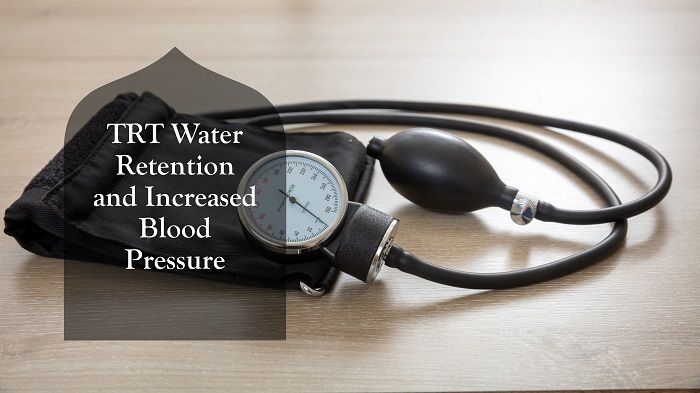
Water Retention Panel: Aldosterone/Plasma Renin Activity Ratio, LC/MS/MS$204
Learn MoreRenin, also known as angiotensinogenase, is an enzyme that the kidneys produce to regulate aldosterone production. It’s also essential in the renin–angiotensin aldosterone system (RAAS) which maintains your body’s fluid balance and blood pressure. Aldosterone is the primary of several endogenous members of the class of mineralocorticoids in humans. Aldosterone tends to promote sodium and water retention, and lower plasma postasium concentrations.
-
Renal Kidney Function Panel Comprehensive$203
Learn MoreThis panel includes blood and urine tests commonly used by physicians to determine kidney dysfunction: Urinalysis, Comprehensive Metabolic Panel (CMP), Cystatin C and eGFR.
-
C-Reactive Protein- High Sensitivity hs-CRP$43
Learn MoreThis high sensitivity CRP test is used along other blood markers to assess a patient's potential risk for cardiovascular disease. To illustrate the difference between CRP and hs-CRP, traditional testing measures CRP (quantitative) within the range of 10 to 1,000 mg/L, whereas hs-CRP values range from 0.5 to 10 mg/L. In simpler terms, hs-CRP measures trace amounts of CRP in the blood. Hs-CRP is the analyte of choice for cardiovascular risk assessment
-
ALLERGY MOLD PANEL, COMPLETE$170
Learn MoreAllergy Mold Panel, Complete -
This panel tests for specific IgE antibodies to 6 molds that are commonly associated with allergies. Allergen-specific serum IgE testing is considered comparable to skin testing and may be preferred in some clinical situations. However, a positive test result only indicates that a patient is sensitized to the allergen of concern. Many IgE-sensitized individuals do not develop any symptoms when exposed to the allergen. Only a qualified medical professional who has conducted a thorough clinical evaluation should make an allergy diagnosis. These are the 6 molds tested:
Alternaria alternata (m6)
Alternaria is one of the most common outdoor molds and a frequent cause of mold allergies. When Alternaria spores are inhaled, they can trigger an allergic response in susceptible individuals. This can lead to symptoms like sneezing, runny nose, nasal congestion, and asthma exacerbations.1
Aspergillus fumigatus (m3)
Aspergillus is a genus of molds that can cause both allergic reactions and infections, especially in people with weakened immune systems. Aspergillus fumigatus is a common indoor mold that can trigger allergic rhinitis, asthma, and a rare condition called allergic bronchopulmonary aspergillosis (ABPA).2
Cladosporium herbarum (m2)
Cladosporium is one of the most common outdoor molds and a frequent cause of mold allergies. When breathed in by sensitive people, Cladosporium spores can cause allergic reactions like sneezing, nasal congestion, and asthma symptoms. 1
Mucor racemosus (m4)
Mucor is a genus of molds that can cause allergic reactions in some people. Inhaling Mucor spores may lead to symptoms like nasal congestion, sneezing, and asthma exacerbations in those with a Mucor allergy.
Penicillium notatum (m1)
Penicillium is a common indoor mold that can cause allergic reactions. When Penicillium spores are inhaled, they may trigger symptoms such as sneezing, runny nose, nasal congestion, and asthma in individuals with a Penicillium allergy.1
Stemphylium botryosum (m10)
Stemphylium is a genus of molds that can be an allergen for some people. Inhaling Stemphylium spores may lead to allergic rhinitis symptoms like sneezing, nasal congestion, and itchy/watery eyes in those with a Stemphylium allergy.In conclusion, when sensitive people inhale the spores from these common mold species, they can all cause allergic reactions. The allergic symptoms typically include nasal congestion, sneezing, runny nose, and asthma exacerbations. Avoiding exposure to these molds is key for managing mold allergies.12