Search results for: 'test for d'
-
Vitamin and Mineral Panel$290
Learn MoreThis comprehensive panel includes key vitamins and minerals that affect quality of life and survival. Test included are: Vitamin D, Vitamin B-12, Folate (Folic Acid), Magnesium in Red Blood Cells, and Zinc in Red Blood Cells.
-
Fibromyalgia Panel$571
Learn MoreWomen and men living with fibromyalgia do not have characteristic or consistent abnormalities on laboratory testing. However, routine laboratory and imaging studies are important to help rule out diseases with similar manifestations and to assist in diagnosis of certain inflammatory diseases that frequently coexist with fibromyalgia. These are the lab tests commonly checked by physicians treating fibromyalgia patients: CMP, CBC, Urinalysis, TSH, Vitamin D & B-12, Iron/TIBC, Magnesium in RBC, ESR, CPK and Ferritin.
-
Osteoporosis Lab Test Panel$310
Learn MoreThis osteoporosis panel includes:
- Serum total calcium, albumin (to calculate albumin adjusted calcium) and phosphorus as part of a CMP panel to detect conditions associated with hypercalcemia such as primary hyperparathyroidism or hypocalcemia and consequent secondary hyperparathyroidism causing bone loss
- Serum creatinine and estimated glomerular filtration rate (GFR) as part of the CMP panel are useful to detect renal failure which can affect bone health.
- Serum alkaline phosphatase (ALP) as part of a CMP panel. ALP measurement is useful to detect conditions including Paget's disease, metastatic bone disease and osteomalacia, etc.
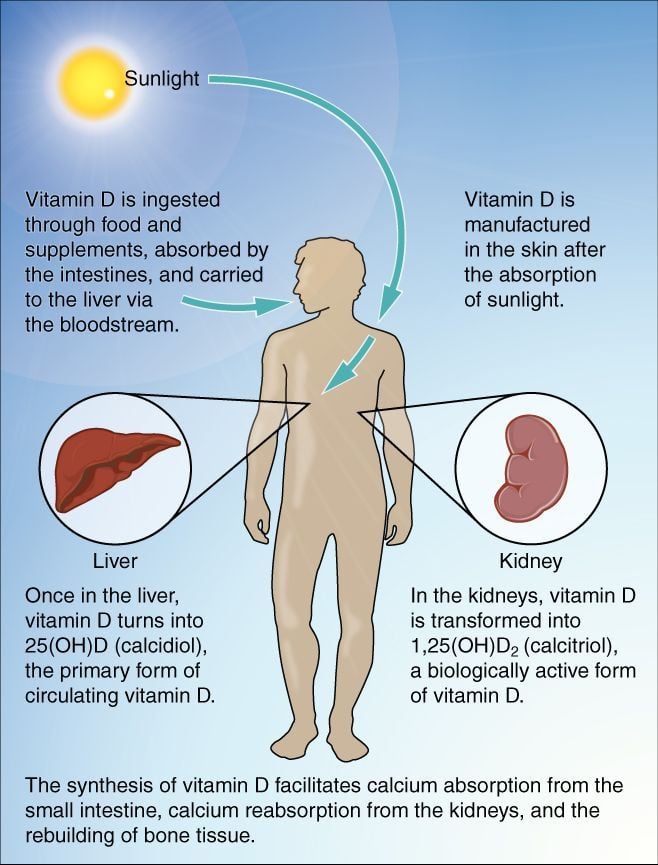
- Vitamin D nutrition should be determined by measuring serum 25-hydroxy vitamin D [25(OH)D]. Although there is controversy about the optimum level of 25(OH)D for bone health; while 50 nmol/L is considered acceptable
- Parathyroid Hormone (PTH) measurement would be required if serum calcium is abnormal, to help investigate the cause of the calcium abnormality.
- Ultra-sensitive Estradiol. Low estradiol in men and women has been linked to bone loss.
- Phosphorus. An increased phosphorus with decreased calcium suggests either hypoparathyroidism or renal disease. A decreased phosphorus and an increased calcium suggests hyperparathyroidism or sarcoidosis. When both calcium and phosphorus are decreased diagnostic considerations include malabsorption, vitamin D deficiency and renal tubular acidosis. Increased phosphorus and normal or increased calcium suggests Milk-alkali syndrome or hypervitaminosis D.
-
Thyroid Antibody Panel$78
Learn MoreThese two tests measure antithyroglobulin antibodies and Anti-TPO antibodies that are commonly present in patients with Hashimoto's thyroiditis, Graves disease and other thyroid-related conditions. Antibodies against the protein thyroglobulin can result in the destruction of thyroid cells. TPO antibodies are created when the immune system of a person targets by pure error elements of the thyroid gland or protein, leading to chronic thyroid inflammation, tissue damage, and damage to the thyroid function. Leaving this untreated may cause severe health issues.
-
Diabetes Panel$226
Learn MoreThis diabetes panel includes important tests usually prescribed for anyone living with Type 1 or Type 2 diabetes. It includes A1c, CMP, Urinialysis, Insulin, and Glucose Tolerance Test (GTT).
-
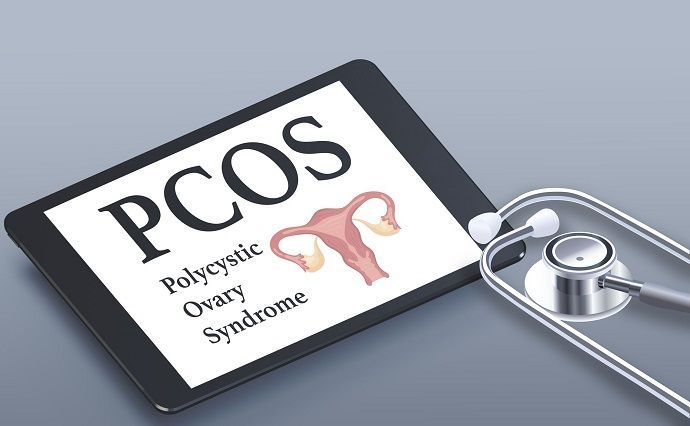
PCOS Test Panel$548
Learn MoreThis PCOS lab test panel includes: Lipid Panel, CBC, CMP, Prolactin, C-Peptide,TSH, Free T3, Fee T4, Sex Hormone binding Globulin, DHEA Sulfate, Estrogen, FSH,Insulin Fasting, A1c, LH, Progesterone, 17-OH Progesterone,Testosterone, Total (LC/MS) and Free (EquilibriumvDialysis), and Vitamin D.
Polycystic literally means "many cysts." In medical terms, it usually refers to a condition called polycystic ovary syndrome (PCOS). PCOS is a hormonal disorder commonly seen in women of childbearing age. The condition is characterized by the presence of multiple fluid-filled cysts in the ovaries. PCOS can cause symptoms like irregular periods, weight gain, acne, and excessive hair growth. Women with PCOS may also experience infertility, diabetes, and heart disease later in life. The exact cause of PCOS is not known, but genetics and insulin resistance are considered contributing factors. PCOS is diagnosed based on symptoms, physical examination, and blood tests.