Search results for: 'signal'
-
Immunoglobulin A Test$32
Learn MoreImmunoglobulin A (IgA) is a crucial antibody in the immune system, predominantly found in mucous membranes of the respiratory and gastrointestinal tracts. It helps protect against infections by neutralizing pathogens before they can cause harm. Testing IgA levels can provide insights into immune health, indicating potential issues such as chronic infections, autoimmune diseases, or immunodeficiency disorders. Elevated or decreased IgA levels can signal various health conditions, making this test valuable for diagnosing and managing immune-related issues. For those experiencing frequent infections or gastrointestinal issues, an IgA test can be an essential diagnostic tool.
-
Phosphate (as Phosphorus )$20
Learn MorePhosphate (as Phosphorus) - Serum phosphorus (Phosphate) levels alone are of limited diagnostic value and should be correlated with serum calcium levels. An increased phosphorus with decreased calcium suggests either hypoparathyroidism or renal disease. A decreased phosphorus and an increased calcium suggests hyperparathyroidism or sarcoidosis. When both calcium and phosphorus are decreased diagnostic considerations include malabsorption, vitamin D deficiency and renal tubular acidosis. Increased phosphorus and normal or increased calcium suggests Milk-alkali syndrome or hypervitaminosis D.
-
Water Retention Panel: Aldosterone/Plasma Renin Activity Ratio, LC/MS/MS$204
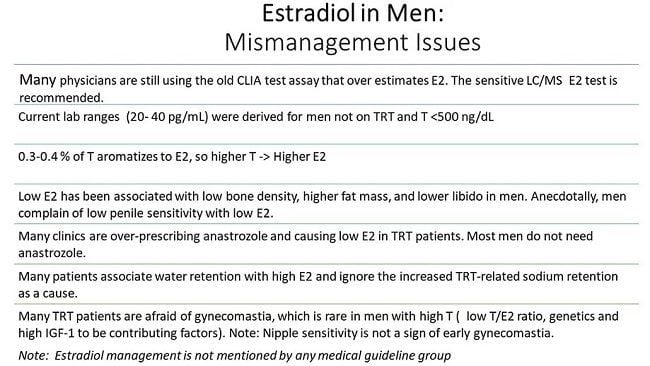
Learn MoreRenin, also known as angiotensinogenase, is an enzyme that the kidneys produce to regulate aldosterone production. It’s also essential in the renin–angiotensin aldosterone system (RAAS) which maintains your body’s fluid balance and blood pressure. Aldosterone is the primary of several endogenous members of the class of mineralocorticoids in humans. Aldosterone tends to promote sodium and water retention, and lower plasma postasium concentrations.
-