Search results for: 'clotting'
-
Prothrombin with INR and Partial Thromboplastin Times (PTT)$37
Learn MoreThe tests are usually ordered for patients prior to surgery to ensure normal clotting ability. The PT and PTT Blood Tests are useful in the diagnosis of excessive, unexplained bleeding in patients who are not taking blood-thinning medications. These bleeding disorders include conditions such as nosebleeds, bruising, heavy menstrual periods, blood in the stool and/or urine, and bleeding gums, among others,
-
PT Prothrombin Time Test with INR$48
Learn MoreThis test includes prothrombin time plus INR and it measures how long it takes your blood to clot. It’s used to monitor the effects of the medication warfarin, and can help identify possible hereditary and clotting disorders. This test does not require fasting. Prothrombin Time (PT) is a blood test used in the evaluation of the extrinsic coagulation system; aid in screening for congenital and acquired deficiencies of factors II, V, VII, X, and fibrinogen. This test is used clinically for the therapeutic monitoring of warfarin (Coumadin®) anticoagulant therapy.
-
CBC with Differential$16
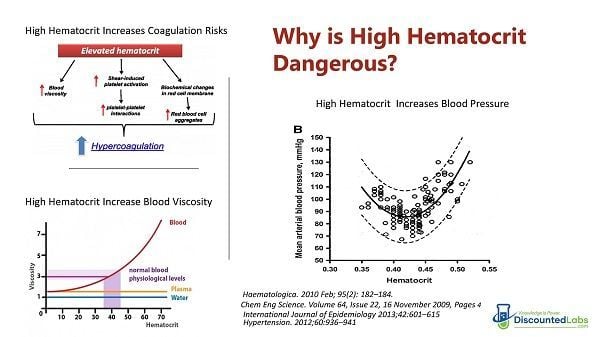
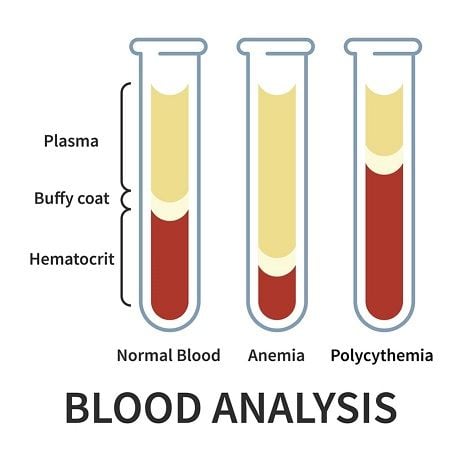
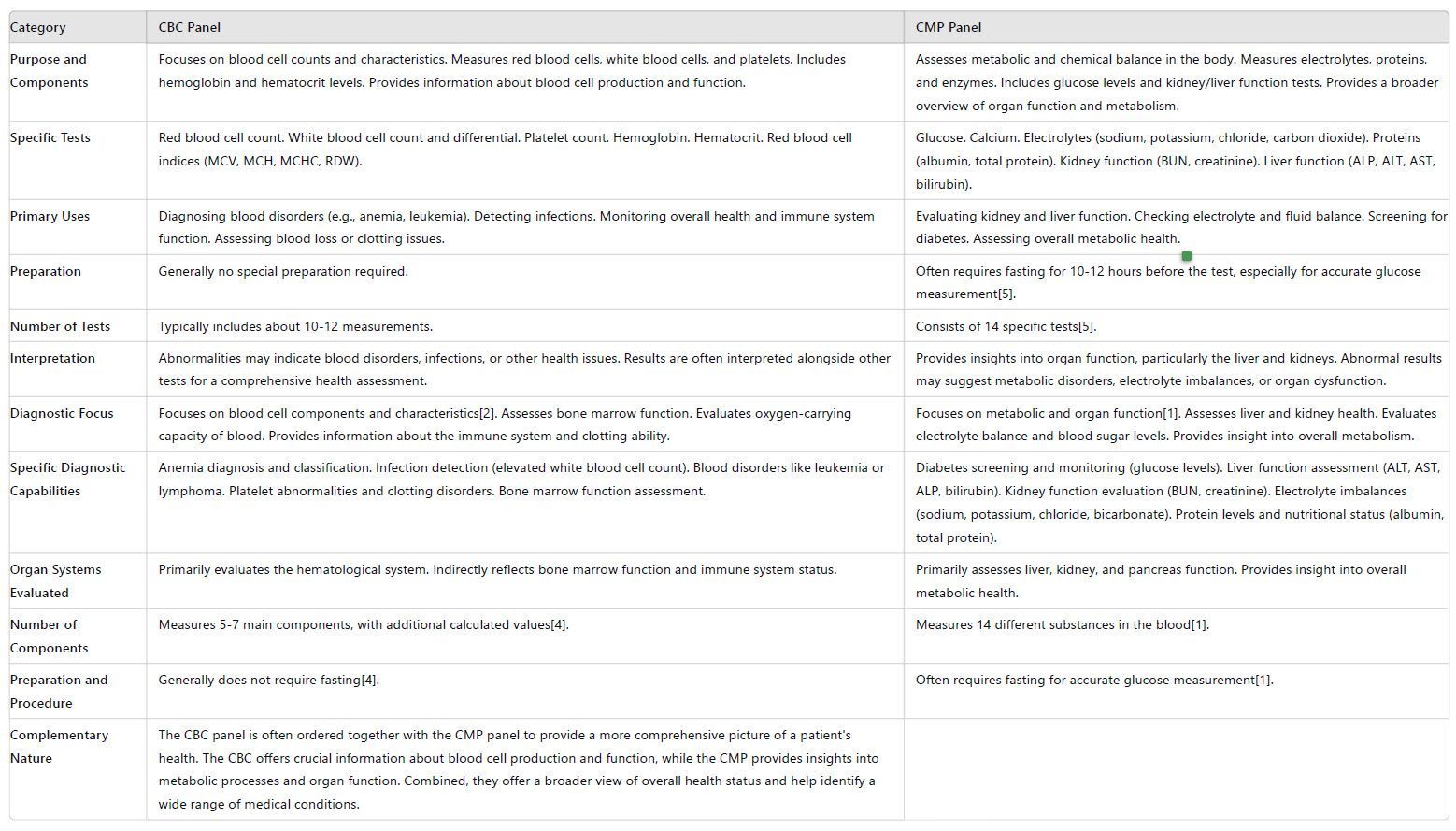
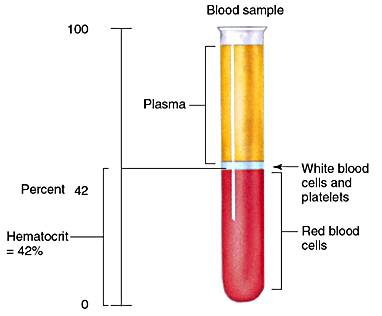
Learn MoreA complete blood count CBC with differential test panel measures several components of your blood including:Red blood cells, which carry oxygen, White blood cells, which fight infection, Hemoglobin, the oxygen-carrying protein in red blood cells, Hematocrit, the proportion of red blood cells to the fluid component in your blood (which correlated with blood thickness), and Platelets, which help with blood clotting. This is also called Complete Blood Count (CBC) with Differential and Platelets Blood Test
-
PROTEIN, GLOBULIN & ALBUMIN$17
Learn MoreProtein, Gloublin and Albumin - The major proteins seen in the serum are albumin and globulin-the latter being primarily alpha 1 and alpha 2 globulin, beta globulin and gamma globulin. Albumin accounts for more than 50% of the total serum proteins. The albumin to globulin (A/G) ratio has been used as an index of disease state, however, it is not a specific marker for disease because it does not indicate which specific proteins are altered. The normal A/G ratio is 0.8-2.0. The A/G ratio can be decreased in response to a low albumin or to elevated globulins. Total globulins may be increased in some chronic inflammatory diseases (TB, syphilis) multiple myeloma, collagen disease, and rheumatoid arthritis. Decreased levels are seen in hepatic dysfunction, renal disease and various neoplasms.
-
ESR Blood Test: Erythrocyte Sedimentation Rate Westergren$56
Learn MoreThe erythrocyte sedimentation rate (ESR or sed rate) is the rate at which red blood cells sediment in a period of one hour. It is a common hematology test and is a non-specific measure of inflammation. To perform the test, anticoagulated blood is traditionally placed in an upright tube, known as a Westergren tube, and the rate at which the red blood cells fall is measured and reported in mm at the end of one hour. Elevated levels of ESR are usually found in people who have different types of diseases, such as autoimmune disease, anemia, kidney disease, cancer, and other health complications.
-
CMP Panel - Comprehensive Metabolic Panel$19
Learn MoreIncludes liver and kidney function, glucose and electrolytes
-
Estrone$106
Learn MoreEstrone (E1) is one of the three estrogens, which also include estriol and estradiol. Estrone is the least abundant of the three and is considered a pro-hormone of estradiol.
-
Electrolyte Panel$67
Learn MoreThe electrolyte panel includes: Carbon dioxide, chloride, potassium, and sodium
-
D-Dimer Quantitative$184
Learn MoreD-Dimer is one of the by-products that can be measured after the fibrinolytic system is turned on. Fibrinolytic activation and intravascular thrombosis can be measured by the amount of D-Dimer in the blood. D-Dimer is especially helpful when ruling out venous thromboembolism in people who are at high risk.
-
PreOp Surgery Lab Test Panel$73
Learn MoreThe pre-op (surgery) blood test includes the three test panels (CBC, CMP, and Prothrombin Time Test) most commonly ordered before a person has surgery. Pre-operative testing is usually done during the few days before the surgery. This panel lets your surgeon know what to be aware of in case of complications during surgery.