Search results for: 'Creatinine'
-
Cystatin C test with EGFR$298
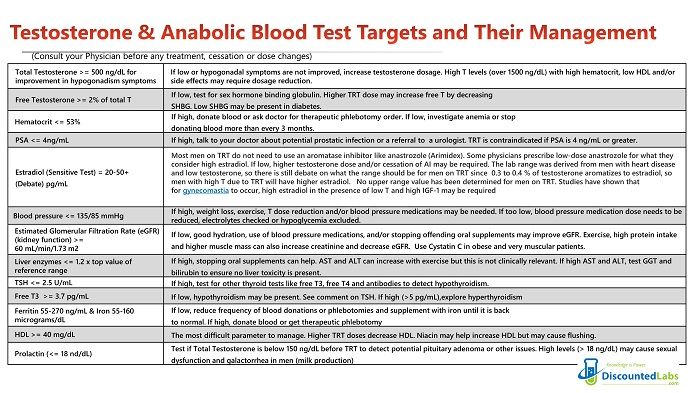
Learn MoreThe cystatin C test (which also includes estimated creatinine clearance eGFR) can be done along with the creatinine or creatinine clearance test in cases where those tests aren’t appropriate, such as patients taking creatine supplements for bodybuilding. These supplements can increase creatinine and decrease creatinine clearance, which can alarm doctors who fear kidney dysfunction. This creatinine increase is not clinically relevant, but running a Cystatin C test can give physicians reassurance and allow the patient to keep taking that effective bodybuilding supplement.
-
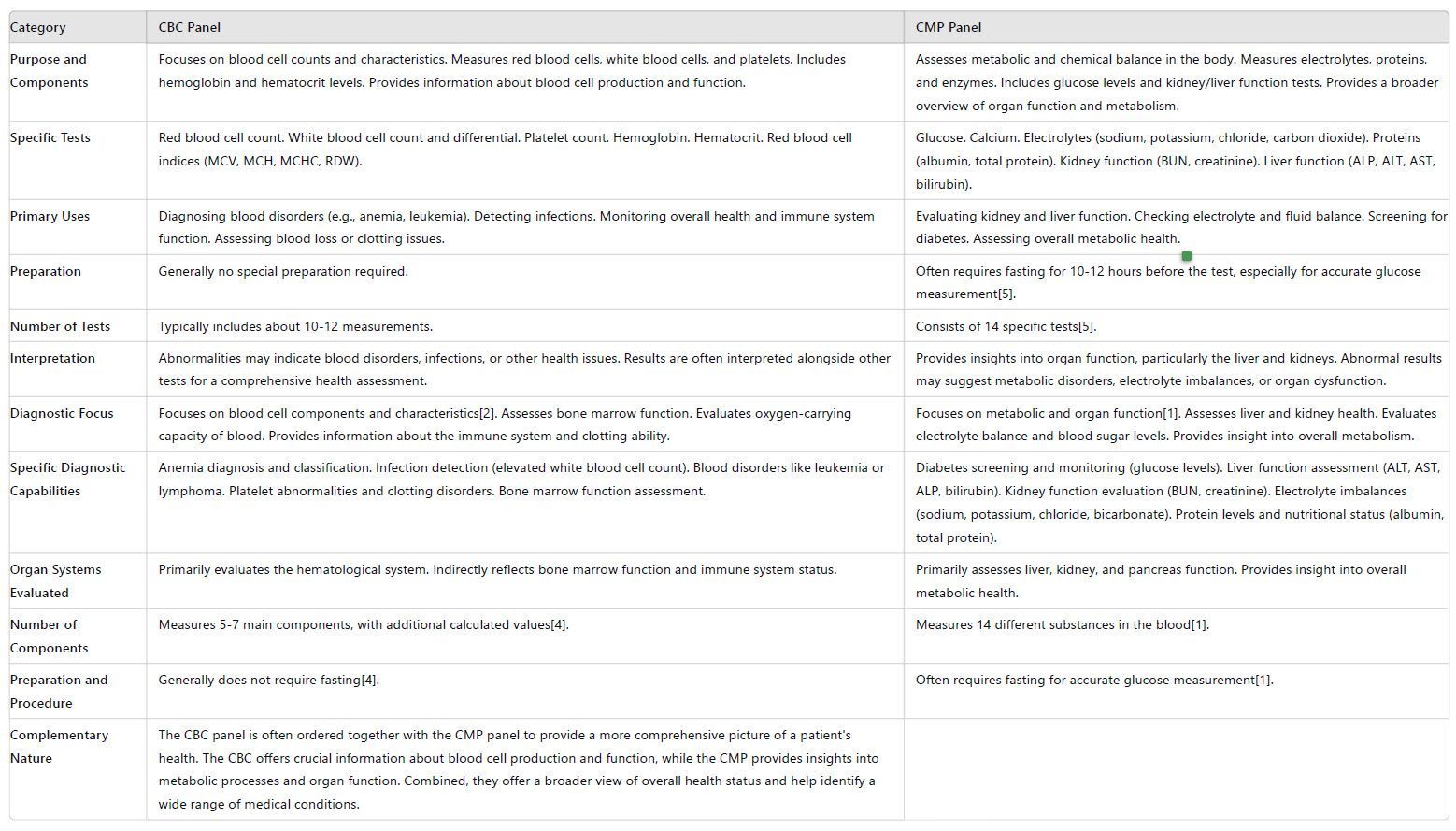
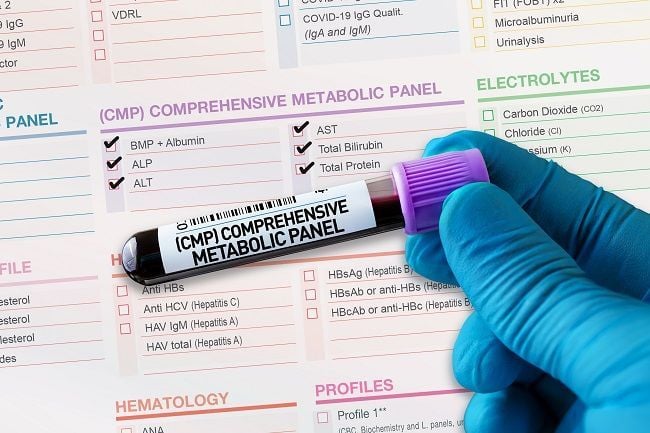
CMP Panel - Comprehensive Metabolic Panel$19
Learn MoreIncludes liver and kidney function, glucose and electrolytes
-
Renal Kidney Function Panel Comprehensive$203
Learn MoreThis panel includes blood and urine tests commonly used by physicians to determine kidney dysfunction: Urinalysis, Comprehensive Metabolic Panel (CMP), Cystatin C and eGFR.
-
PROTEIN, GLOBULIN & ALBUMIN$17
Learn MoreProtein, Gloublin and Albumin - The major proteins seen in the serum are albumin and globulin-the latter being primarily alpha 1 and alpha 2 globulin, beta globulin and gamma globulin. Albumin accounts for more than 50% of the total serum proteins. The albumin to globulin (A/G) ratio has been used as an index of disease state, however, it is not a specific marker for disease because it does not indicate which specific proteins are altered. The normal A/G ratio is 0.8-2.0. The A/G ratio can be decreased in response to a low albumin or to elevated globulins. Total globulins may be increased in some chronic inflammatory diseases (TB, syphilis) multiple myeloma, collagen disease, and rheumatoid arthritis. Decreased levels are seen in hepatic dysfunction, renal disease and various neoplasms.
-
Women Ultra Elite Panel$1,312
Learn MoreThis women's ultra elite lab test panel offers the best savings for men to determine their immune health, liver and kidney function, electrolytes, blood sugar, advanced lipid panel, thyroid function, inflammatory markers involved in heart disease, testosterone total and free, urinalysis to determine UTIs and kidney function, ultrasensitive estradiol, DHEA-S, IGF-1, DHT, Prolactin, Progesterone, Estrone, Total Estrogens, vitamins D and B12+ folate, and iron/ferritin to determine fatigue, anemia or increased risk of iron overload.Tests included are:
Complete Blood Count with Differential (CBC)
Comprehensive Metabolic Panel (CMP)
Hemoglobin A1c
Cardio IQ Advanced Lipid Panel
Urinalysis, Complete
TSH
Thyroid Free T3
Thyroid Free T4
Reverse T3
TPO Antibodies
Thyroglobulin Antibodies
Homocysteine
Cardio C-Reactive Protein
CPK
Estradiol, Ultra Sensitive
Testosterone Total & Free (LC/MS- No upper limit)
DHEA – S
Prolactin
DHT
IGF-1
Progesterone
Estrone
Total Estrogens
LH + FSH
Anti-Müllerian Hormone (AMH)
Vitamin D (25OHD)
Vitamin B-12
Folate
Ferritin
Iron & TIBC (Total Iron Binding Capacity) -
Rheumatoid Arthritis Factor Test$59
Learn MoreThe Rheumatoid Arthritis Factor is often evaluated in patients suspected of having any form of arthritis or destructive articular disease even though positive results can be due to other causes, and negative results do not rule out disease. But, in combination with signs and symptoms, it can play a role in both diagnosis and disease prognosis. It is part of the usual disease criteria of rheumatoid arthritis.
-
A1c- Hemoglobin (Hgb)$21
Learn MoreThe A1c test works by measuring the hemoglobin A1c level. Hemoglobin is stored in the red blood cells. When glucose levels are high, the sugar starts to combine with the hemoglobin. It takes the body 8 to 12 weeks to bring hemoglobin A1c levels back to normal. Therefore, if hemoglobin A1c levels are high, that means that there has been a high level of glucose in the blood over the last 2 to 3 months.
-
CPK Blood Test (Creatine Phosphokinase)$24
Learn MoreCPK is creatine phosphokinase, an enzyme in the heart, brain, and skeletal muscle. High CPK can indicate muscle destruction, heart attacks, and central nervous system issues. Long-term exposure to high CPK can load up your kidneys and cause muscle loss and weakness. Sometimes we have no symptoms when CPK is high, but most of the time, we have body aches and soreness. Resistance training can raise CPK, so stop working out for at least five days before the CPK test.
-
Diabetes Panel$226
Learn MoreThis diabetes panel includes important tests usually prescribed for anyone living with Type 1 or Type 2 diabetes. It includes A1c, CMP, Urinialysis, Insulin, and Glucose Tolerance Test (GTT).
-
Urinalysis, Complete, with Reflex to Culture$21
Learn MoreUrinalysis with reflex to culture testing is done when the first urinalysis results are not normal or when doctors think the person might have a urinary tract infection, kidney disease, or another problem with their urinary tract. Several conditions may necessitate urinalysis with reflex testing. Urinary tract infections (UTIs) are a common reason for reflex testing, as it helps healthcare providers identify the specific bacteria causing the infection and determine the most effective antibiotic treatment. Kidney diseases, such as glomerulonephritis or renal tubular acidosis, may also require reflex testing for accurate diagnosis and management. Conditions like hematuria (blood in urine) or proteinuria (protein in urine) warrant further investigation, as they may indicate underlying kidney disease or urinary tract neoplasms. Pregnant women may undergo reflex testing to monitor for gestational diabetes and preeclampsia. NOTE: You need to visit the lab near you to submit two separate specimens in containers provided by the lab. NOTE: The culture will ONLY be performed if any of the following Urinalysis results are applicable:
•Presence of Leukocyte esterase alone
•Presence of WBCs (>5/hpf) alone
•Presence of Yeast
•Presence of Bacteria and the presence of WBCs (>5/hpf) or Leukocyte esterase
•Presence of Nitrite and the presence of WBCs (>5/hpf) or Leukocyte esterase