Search results for: 'clot'
-
Prothrombin with INR and Partial Thromboplastin Times (PTT)$37
Learn MoreThe tests are usually ordered for patients prior to surgery to ensure normal clotting ability. The PT and PTT Blood Tests are useful in the diagnosis of excessive, unexplained bleeding in patients who are not taking blood-thinning medications. These bleeding disorders include conditions such as nosebleeds, bruising, heavy menstrual periods, blood in the stool and/or urine, and bleeding gums, among others,
-
CBC with Differential$16
Learn MoreA complete blood count CBC with differential test panel measures several components of your blood including:Red blood cells, which carry oxygen, White blood cells, which fight infection, Hemoglobin, the oxygen-carrying protein in red blood cells, Hematocrit, the proportion of red blood cells to the fluid component in your blood (which correlated with blood thickness), and Platelets, which help with blood clotting. This is also called Complete Blood Count (CBC) with Differential and Platelets Blood Test
-
PT Prothrombin Time Test with INR$48
Learn MoreThis test includes prothrombin time plus INR and it measures how long it takes your blood to clot. It’s used to monitor the effects of the medication warfarin, and can help identify possible hereditary and clotting disorders. This test does not require fasting. Prothrombin Time (PT) is a blood test used in the evaluation of the extrinsic coagulation system; aid in screening for congenital and acquired deficiencies of factors II, V, VII, X, and fibrinogen. This test is used clinically for the therapeutic monitoring of warfarin (Coumadin®) anticoagulant therapy.
-
PreOp Surgery Lab Test Panel$73
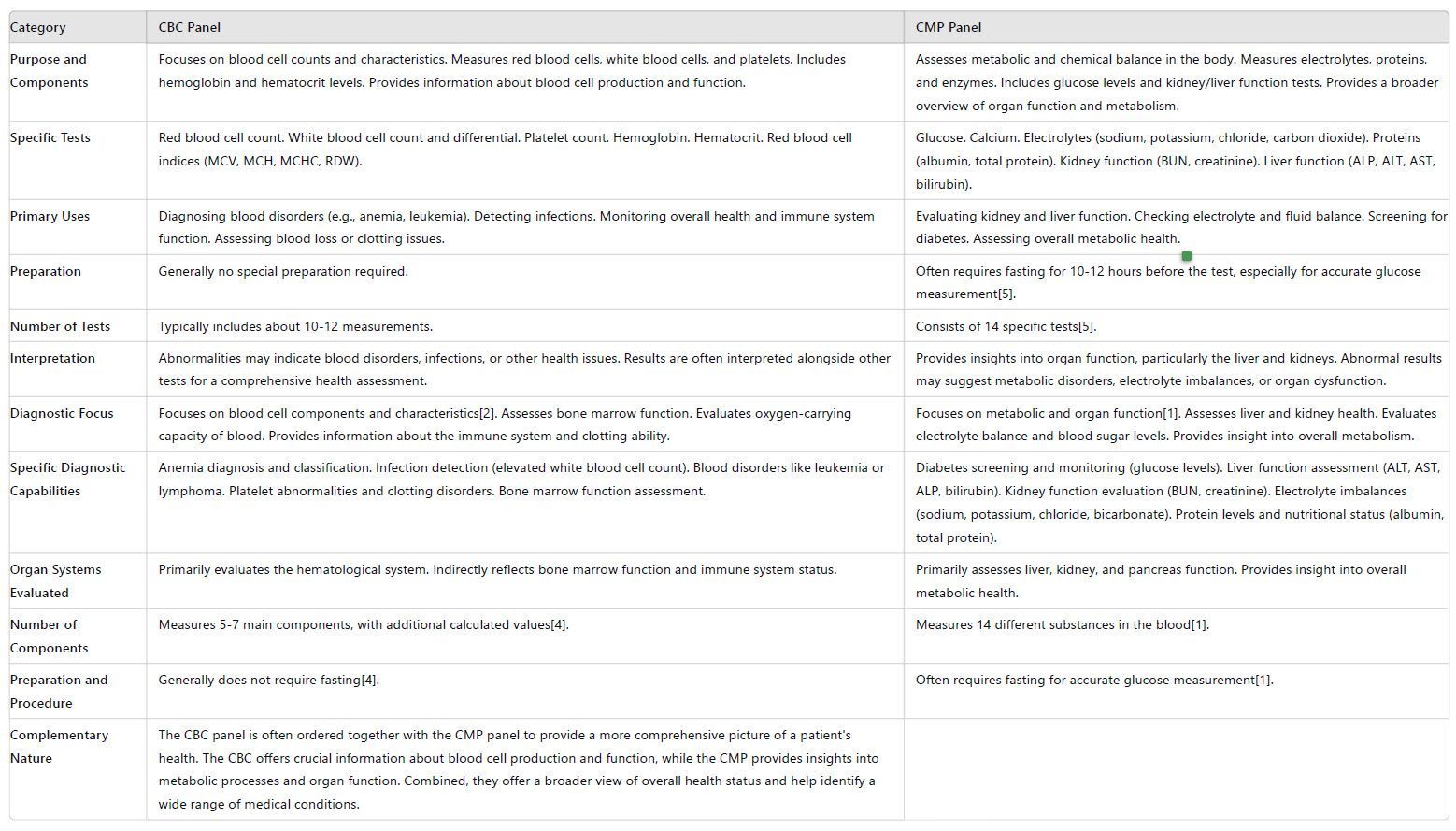
Learn MoreThe pre-op (surgery) blood test includes the three test panels (CBC, CMP, and Prothrombin Time Test) most commonly ordered before a person has surgery. Pre-operative testing is usually done during the few days before the surgery. This panel lets your surgeon know what to be aware of in case of complications during surgery.
-
PROTEIN, GLOBULIN & ALBUMIN$17
Learn MoreProtein, Gloublin and Albumin - The major proteins seen in the serum are albumin and globulin-the latter being primarily alpha 1 and alpha 2 globulin, beta globulin and gamma globulin. Albumin accounts for more than 50% of the total serum proteins. The albumin to globulin (A/G) ratio has been used as an index of disease state, however, it is not a specific marker for disease because it does not indicate which specific proteins are altered. The normal A/G ratio is 0.8-2.0. The A/G ratio can be decreased in response to a low albumin or to elevated globulins. Total globulins may be increased in some chronic inflammatory diseases (TB, syphilis) multiple myeloma, collagen disease, and rheumatoid arthritis. Decreased levels are seen in hepatic dysfunction, renal disease and various neoplasms.
-
Prolactin$44
Learn MoreA prolactin blood test is used by doctors to evaluate sexual dysfunction or very low testosterone blood levels of unknown causes in both men and women.
-
ESR Blood Test: Erythrocyte Sedimentation Rate Westergren$56
Learn MoreThe erythrocyte sedimentation rate (ESR or sed rate) is the rate at which red blood cells sediment in a period of one hour. It is a common hematology test and is a non-specific measure of inflammation. To perform the test, anticoagulated blood is traditionally placed in an upright tube, known as a Westergren tube, and the rate at which the red blood cells fall is measured and reported in mm at the end of one hour. Elevated levels of ESR are usually found in people who have different types of diseases, such as autoimmune disease, anemia, kidney disease, cancer, and other health complications.
-
Estrone$106
Learn MoreEstrone (E1) is one of the three estrogens, which also include estriol and estradiol. Estrone is the least abundant of the three and is considered a pro-hormone of estradiol.
-
THYROID Panel (TSH + Free T3 + Free T4)$100
Learn MoreThis panel includes comprehensive testing of the thyroid stimulating hormone (TSH) in addition to free thyroxine (T4) and free triiodothyronine (T3).
-
Electrolyte Panel$67
Learn MoreThe electrolyte panel includes: Carbon dioxide, chloride, potassium, and sodium
-
Cardio IQ Advanced Lipid Panel$192
Learn MoreThe Cardio IQ® Report provides an in-depth assessment of cardiovascular risks to help physicians recommend the ideal individualized treatment option for patient to minimize cardiovascular disease.
The report is simple, yet comprehensive. It is color-coded to display progressive risk values versus goal using “optimal,” “moderate,” and “high-risk” categories and grouped by functional categories.
Cardio IQ Advanced Lipid Panel The Cardio IQ Advanced Lipid Panel includes:Total Cholesterol, Triglycerides, HDL, LDL and Cholesterol/HDL ratio, LDL Particle Number, LDL Peak Size, LDL Pattern, HDL Large, LDL Small, LDL Medium, Apolipoprotein B, Lipoprotein (a). Fasting is not required prior to collection of a lipid panel. Results for this test take 2 weeks to receive.
-
CMP Panel - Comprehensive Metabolic Panel$19
Learn MoreIncludes liver and kidney function, glucose and electrolytes
-
Lipoprotein a Test$76
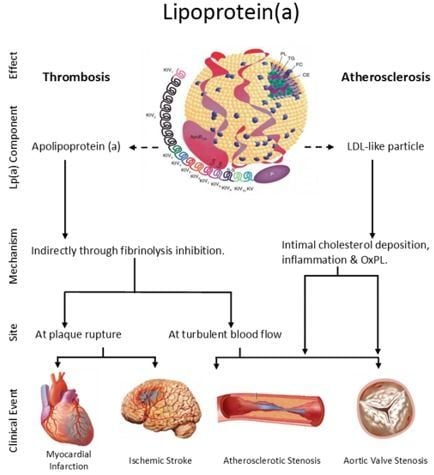
Learn MoreLipoprotein (a) has been called a powerful predictor of premature atherosclerotic vascular disease. As an independent risk factor for premature coronary artery disease, excess Lp(a) concentrations are associated with an increased risk of cardiac death in patients with acute coronary syndromes and with restenosis after angioplasty (PTCA) and coronary bypass procedures. In general, concentrations greater than or equal to 75 nmol/L of Lp(a) in serum are associated with a two- to sixfold increase in risk, depending on the presence of other risk factors.
-
Homocysteine$41
Learn MoreElevated levels of homocysteine in the blood, known as hyperhomocysteinemia, have been linked to an increased risk of cardiovascular disease, including heart attack and stroke. High homocysteine levels may also be associated with an increased risk of certain other health conditions, such as osteoporosis and pregnancy complications.
-
Autoimmune Antibodies: ANA Screen, IFA, with Reflex to Titer and Pattern$30
Learn MoreThis test measures ANA Screen, IFA, with Reflex to Titer and Pattern - Several rheumatic diseases are linked to antinuclear antibodies. These include Systemic Lupus Erythematous (SLE), mixed connective tissue disease, Sjogren's syndrome, scleroderma, polymyositis, CREST syndrome, and neurologic SLE. LOWEST PRICE.
-
CA125 Blood Test$35
Learn MoreThe CA 125 level can help doctors understand how to manage patients with ovarian cancer. However, the CA 125 blood test is not advised for women who are at average risk for ovarian cancer.
Women with ovarian cancer usually have high levels of CA 125. However, a high CA 125 level does not always mean you have ovarian cancer. Some women who have ovarian cancer may never show a high CA 125 level.
-
MTHFR Test- DNA mutation Analysis of Methylenetetrahydrofolate Reductase$800
Learn MoreQuest Diagnostics test code 17911 is for a DNA mutation analysis of Methylenetetrahydrofolate Reductase (MTHFR). The test determines if a patient has one, two, or no copies of either of the two mutations in the MTHFR gene, C677T and A1298C.
Changes in the methylenetetrahydrofolate reductase gene can lead to certain health conditions. One of them is hyperhomocysteinemia (high blood levels of homocysteine), which is a risk factor for cerebrovascular disease, cerebral vein thrombosis, coronary artery disease, myocardial infarction, and venous thrombosis. At least 40 mutations in the MTHFR gene have been identified in people with homocystinuria, a disorder in which the body is unable to process certain amino acids properly.
-
Hematocrit HCT Blood Test$11
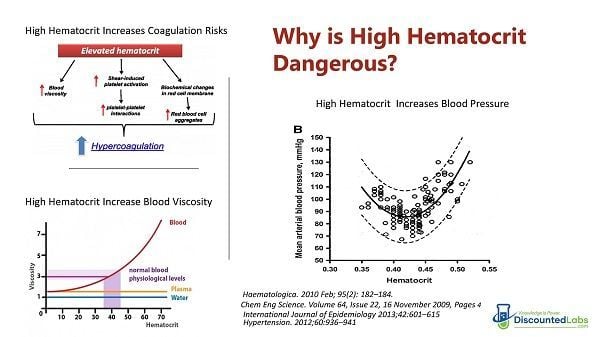
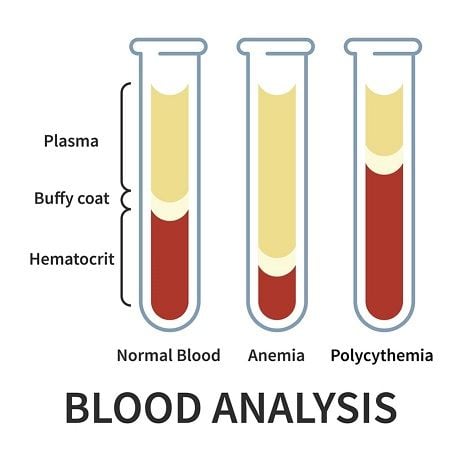
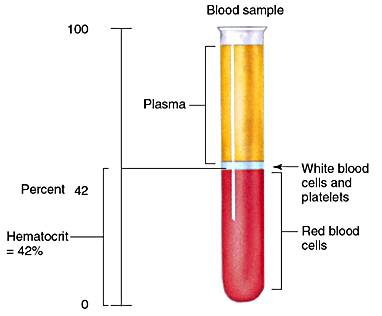
Learn MoreThe volume measurement, or hct blood test, is the proportion of blood that the red blood cells take up. Hemoglobin, on the other hand, is a density or concentration measurement and is expressed in grams per liter or deciliter. (Hemoglobin is, if you will recall from your high school biology, the iron-based protein that transports oxygen.) RBC is a simple count and is usually expressed as the number of million red blood cells that you have per microliter. Usually, hematocrit is three times the amount of hemoglobin.
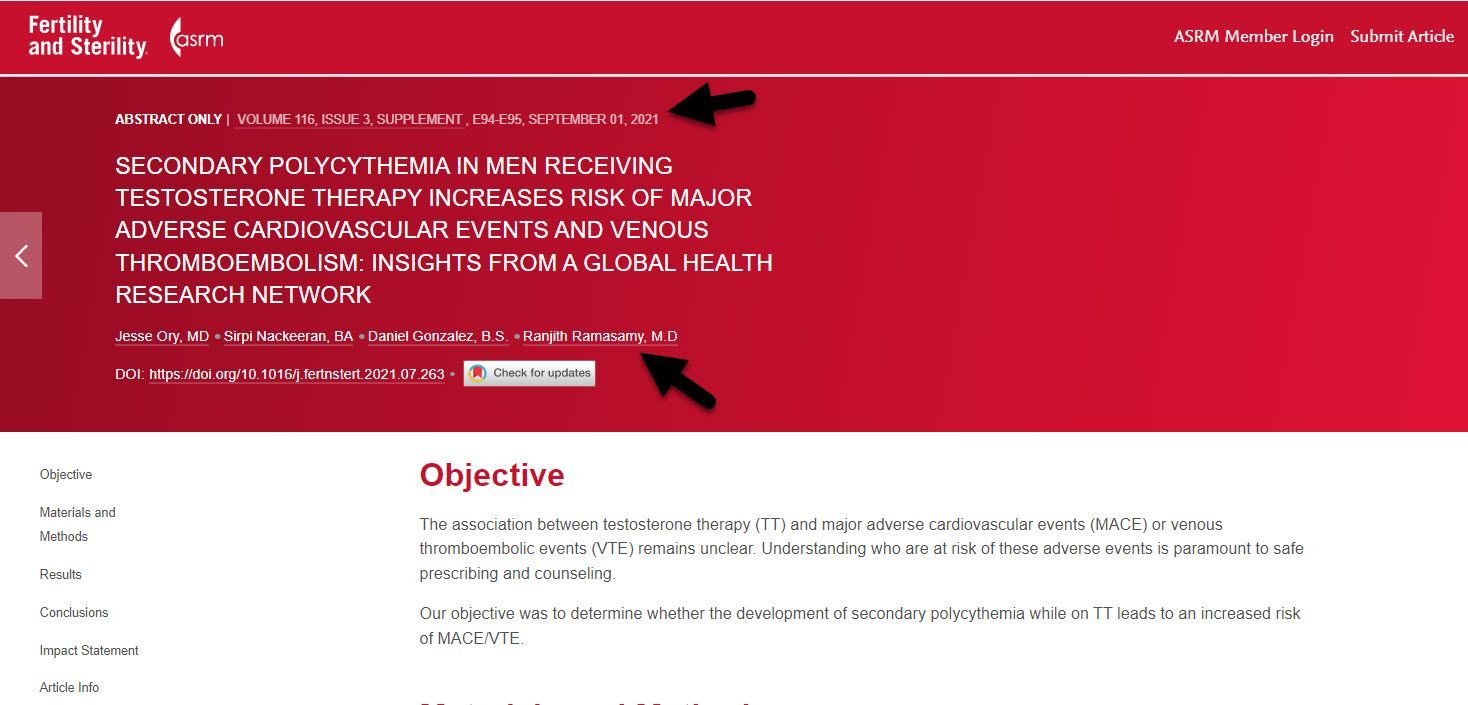
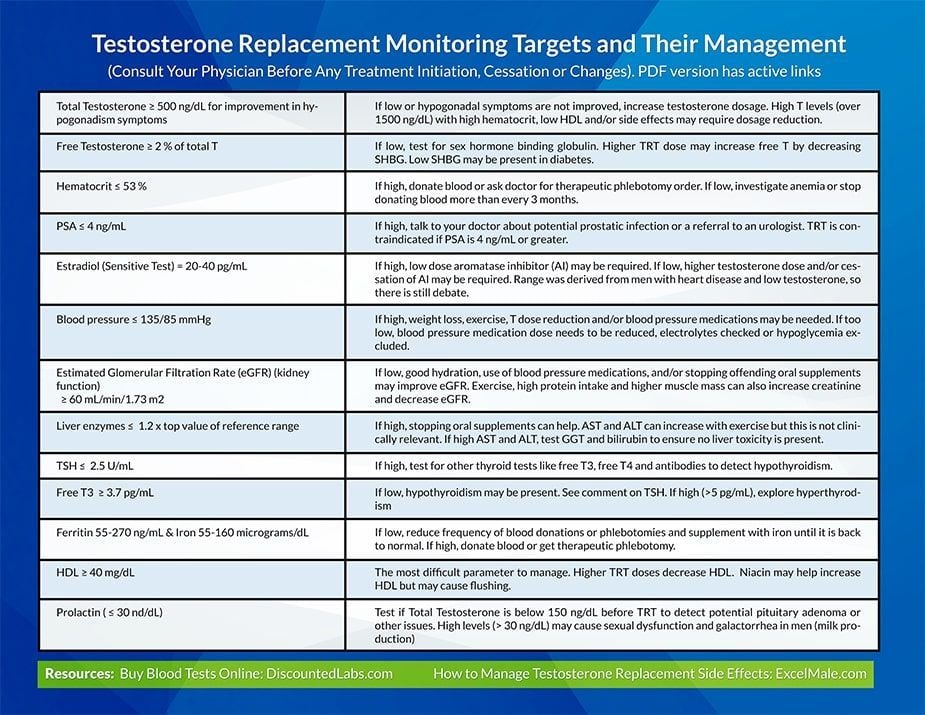
Testosterone replacement therapy (TRT) increases hematocrit in most men. Read more about how to decrease hematocrit.
NOTE: Hematocrit is also part of the CBC panel, so there is no need to order separately if your order already includes CBC.
-
D-Dimer Quantitative$184
Learn MoreD-Dimer is one of the by-products that can be measured after the fibrinolytic system is turned on. Fibrinolytic activation and intravascular thrombosis can be measured by the amount of D-Dimer in the blood. D-Dimer is especially helpful when ruling out venous thromboembolism in people who are at high risk.