Search results for: 'mind'
-
Ferritin$20
Learn MoreFerritin is a protein that stores iron. Red blood cells need iron to form normally and carry oxygen around your body. Low levels of ferritin lead to iron deficiency anemia, which means you have too few red blood cells. High levels of ferritin can damage your joints, heart, liver, and pancreas.
-
ESR Blood Test: Erythrocyte Sedimentation Rate Westergren$56
Learn MoreThe erythrocyte sedimentation rate (ESR or sed rate) is the rate at which red blood cells sediment in a period of one hour. It is a common hematology test and is a non-specific measure of inflammation. To perform the test, anticoagulated blood is traditionally placed in an upright tube, known as a Westergren tube, and the rate at which the red blood cells fall is measured and reported in mm at the end of one hour. Elevated levels of ESR are usually found in people who have different types of diseases, such as autoimmune disease, anemia, kidney disease, cancer, and other health complications.
-
DHT Test$89
Learn MoreThis test measures the amount of dihydrotestosterone (DHT) in the blood. Low DHT has been associated with low libido and high DHT has been linked to acne, hair loss and benign prostatic inflammation in a minority of men.
-
THYROID Stimulating Hormone-TSH$21
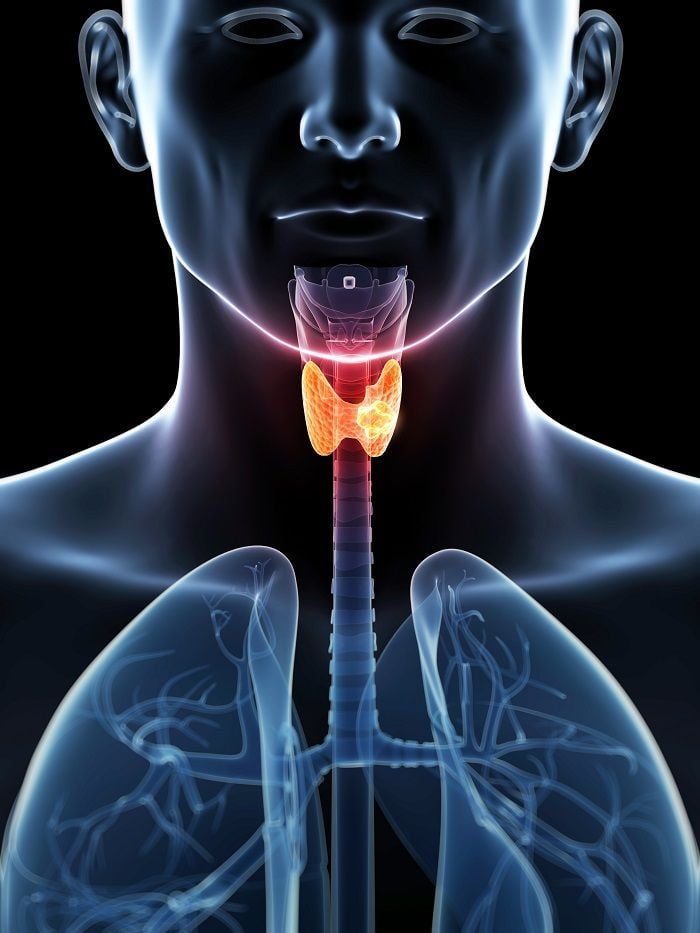
Learn MoreThe thyroid stimulating hormone (TSH) is produced and secreted by the pituitary gland and stimulates the thyroid to produce T3 and T4. When TSH is elevated, low thyroid function may be indicated. If TSH is low it is indicative of high thyroid function. A study found that TSH was suppressed in all subjects after food, so fasting may be suggested although it is not reqired by Quest. Free T4 and Free T4 values did not change significantly after eating.
-
CMP Panel - Comprehensive Metabolic Panel$19
Learn MoreIncludes liver and kidney function, glucose and electrolytes
-
C-Peptide Test$63
Learn MorePatients with diabetes may get a C-peptide test as a means of distinguishing type 1 diabetes from type 2 diabetes or Maturity onset diabetes of the young (MODY). Measuring C-peptide can help to determine how much of their own natural insulin a person is producing as C-peptide is secreted in equimolar amounts to insulin. C-peptide levels are measured instead of insulin levels because C-peptide can assess a person's own insulin secretion even if they receive insulin injections, and because the liver metabolizes a large and variable amount of insulin secreted into the portal vein but does not metabolize C-peptide, meaning blood C-peptide may be a better measure of portal insulin secretion than insulin itself.