Search results for: 'nutrition'
-
Hematocrit HCT Blood Test$11
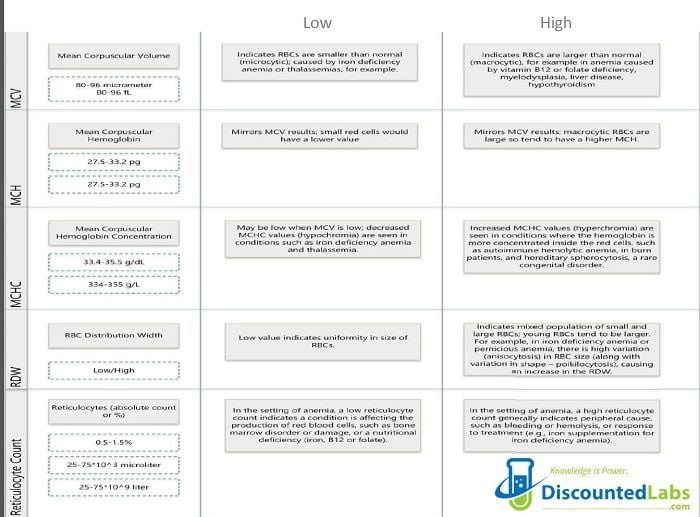
Learn MoreThe volume measurement, or hct blood test, is the proportion of blood that the red blood cells take up. Hemoglobin, on the other hand, is a density or concentration measurement and is expressed in grams per liter or deciliter. (Hemoglobin is, if you will recall from your high school biology, the iron-based protein that transports oxygen.) RBC is a simple count and is usually expressed as the number of million red blood cells that you have per microliter. Usually, hematocrit is three times the amount of hemoglobin.
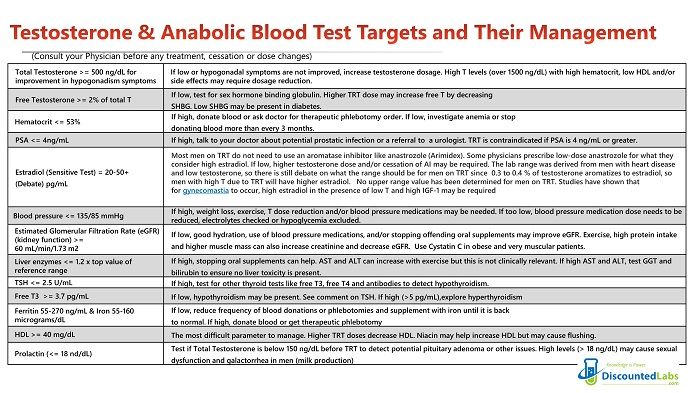
Testosterone replacement therapy (TRT) increases hematocrit in most men. Read more about how to decrease hematocrit.
NOTE: Hematocrit is also part of the CBC panel, so there is no need to order separately if your order already includes CBC.
-
Renal Kidney Function Panel Comprehensive$203
Learn MoreThis panel includes blood and urine tests commonly used by physicians to determine kidney dysfunction: Urinalysis, Comprehensive Metabolic Panel (CMP), Cystatin C and eGFR.
-
PROTEIN, GLOBULIN & ALBUMIN$17
Learn MoreProtein, Gloublin and Albumin - The major proteins seen in the serum are albumin and globulin-the latter being primarily alpha 1 and alpha 2 globulin, beta globulin and gamma globulin. Albumin accounts for more than 50% of the total serum proteins. The albumin to globulin (A/G) ratio has been used as an index of disease state, however, it is not a specific marker for disease because it does not indicate which specific proteins are altered. The normal A/G ratio is 0.8-2.0. The A/G ratio can be decreased in response to a low albumin or to elevated globulins. Total globulins may be increased in some chronic inflammatory diseases (TB, syphilis) multiple myeloma, collagen disease, and rheumatoid arthritis. Decreased levels are seen in hepatic dysfunction, renal disease and various neoplasms.
-
Women Ultra Elite Panel$1,312
Learn MoreThis women's ultra elite lab test panel offers the best savings for men to determine their immune health, liver and kidney function, electrolytes, blood sugar, advanced lipid panel, thyroid function, inflammatory markers involved in heart disease, testosterone total and free, urinalysis to determine UTIs and kidney function, ultrasensitive estradiol, DHEA-S, IGF-1, DHT, Prolactin, Progesterone, Estrone, Total Estrogens, vitamins D and B12+ folate, and iron/ferritin to determine fatigue, anemia or increased risk of iron overload.Tests included are:
Complete Blood Count with Differential (CBC)
Comprehensive Metabolic Panel (CMP)
Hemoglobin A1c
Cardio IQ Advanced Lipid Panel
Urinalysis, Complete
TSH
Thyroid Free T3
Thyroid Free T4
Reverse T3
TPO Antibodies
Thyroglobulin Antibodies
Homocysteine
Cardio C-Reactive Protein
CPK
Estradiol, Ultra Sensitive
Testosterone Total & Free (LC/MS- No upper limit)
DHEA – S
Prolactin
DHT
IGF-1
Progesterone
Estrone
Total Estrogens
LH + FSH
Anti-Müllerian Hormone (AMH)
Vitamin D (25OHD)
Vitamin B-12
Folate
Ferritin
Iron & TIBC (Total Iron Binding Capacity) -
DHEA-Sulfate$43
Learn MoreThe adrenal gland produces a hormone known as dehydroepiandrosterone (DHEA). It is also made in the brain. DHEA leads to the production of androgens and estrogens (male and female sex hormones). DHEA levels in the body begin to decrease after age 30. Lower DHEA levels are found in people with hormonal disorders, HIV/AIDS, Alzheimer's disease, heart disease, depression, diabetes, inflammation, immune disorders, and osteoporosis. Corticosteroids, birth control taken by mouth, and agents that treat psychiatric disorders may reduce DHEA levels.
-
Phosphate (as Phosphorus )$20
Learn MorePhosphate (as Phosphorus) - Serum phosphorus (Phosphate) levels alone are of limited diagnostic value and should be correlated with serum calcium levels. An increased phosphorus with decreased calcium suggests either hypoparathyroidism or renal disease. A decreased phosphorus and an increased calcium suggests hyperparathyroidism or sarcoidosis. When both calcium and phosphorus are decreased diagnostic considerations include malabsorption, vitamin D deficiency and renal tubular acidosis. Increased phosphorus and normal or increased calcium suggests Milk-alkali syndrome or hypervitaminosis D.
-
Lipid (Cholesterol) Panel (LDL, HDL, Triglycerides)$16
Learn MoreLipid Panel: Evaluates the risk for developing atherosclerosis (arterial plaque) and coronary heart disease. This test includes: Total Cholesterol, Triglycerides ,HDL Cholesterol, LDL Cholesterol, Total Cholesterol/HDL Ratio. FASTING REQUIRED.
-
CMP Panel - Comprehensive Metabolic Panel$19
Learn MoreIncludes liver and kidney function, glucose and electrolytes
-
Zinc - Red Blood Cell (RBC) Content$171
Learn MoreThis test measures Zinc levels in red blood cells (RBC). Red blood cell (RBC) analysis is an invaluable method for assessing insufficiency or excess of elements that have important functions within cells or on blood cell membranes. It may be more accurate than testing Zinc in blood serum.
-
Cardio IQ Insulin Resistance Panel with Score$283
Learn MoreThe Cardio IQ® Insulin Resistance Score (IR), which uses fasting insulin and C-peptide measurements to estimate a person's likelihood of having insulin resistance. It eliminates the need for multiple samples and reduces the chance of errors that can occur with some other tests.
Having a high score (indicating a greater probability of insulin resistance) was linked to an increased risk of developing type 2 diabetes, even after accounting for other risk factors.
An IR score of <33 suggests that an individual has normal insulin sensitivity.
A score of 33 to 66 suggests that an individual has >4-fold greater odds of having IR compared with an individual with a score <33 .
A score >66 suggests that an individual has >15-fold greater odds of having IR compared to an individual with a scoreFasting Required for 10-12 hours. Water only.
-
Vitamin D ( 25OHD )$43
Learn MoreVitamin D is essential for bone health and many metabolic processes. The body derives it from sunlight and food sources. Many people do not get enough sunlight or do not consume enough vitamin D rich foods. This test is important to determine if you need vitamin D supplementation or if your current supplementation is effective.
-
ApoB Test$50
Learn MoreApoB Blood Test has been reported to be a powerful indicator of Coronary Artery Disease (CAD). In some patients with CAD, APO B is elevated even in the presence of normal LDL cholesterol. Instead of non-HDL-C levels, ApoB levels may be used to check how well lipid treatment is working. Non-HDL-C is the total cholesterol concentration minus the amount of HDL. A healthcare practitioner may order both an lipoprotein a (associated with high-density lipoprotein (HDL), the "good" cholesterol) and an apo B to determine an apo B/apo A-I ratio. This ratio is sometimes used as an alternative to a total cholesterol/HDL ratio to evaluate risk for developing CVD.
-
Folate, Serum$58
Learn MoreB12 and folic acid blood testing help doctors diagnose central nervous system disorders, anemia, and malabsorption syndromes. B12 and folic acid also play an important role in energy level, muscle strength and memory. Because B12 and folate are derived solely from dietary intake, such as egg yolks, beef, poultry and fish, many people are deficient in these important vitamins.
-
MTHFR Test- DNA mutation Analysis of Methylenetetrahydrofolate Reductase$800
Learn MoreQuest Diagnostics test code 17911 is for a DNA mutation analysis of Methylenetetrahydrofolate Reductase (MTHFR). The test determines if a patient has one, two, or no copies of either of the two mutations in the MTHFR gene, C677T and A1298C.
Changes in the methylenetetrahydrofolate reductase gene can lead to certain health conditions. One of them is hyperhomocysteinemia (high blood levels of homocysteine), which is a risk factor for cerebrovascular disease, cerebral vein thrombosis, coronary artery disease, myocardial infarction, and venous thrombosis. At least 40 mutations in the MTHFR gene have been identified in people with homocystinuria, a disorder in which the body is unable to process certain amino acids properly.
-
Diabetes Panel$226
Learn MoreThis diabetes panel includes important tests usually prescribed for anyone living with Type 1 or Type 2 diabetes. It includes A1c, CMP, Urinialysis, Insulin, and Glucose Tolerance Test (GTT).
-
Hair Loss Test Panel$420
Learn MoreThis lab test panel includes main blood test makers involved in hair loss in women and men: Complete Blood Count (CBC)- Can detect potential low hemoglobin and infections that can lead to hair loss. Ferritin- Low ferritin, an iron storage protein, has been linked to hair loss and slow down of hair growth. Iron and Total Iron Capacity (TIBC)- Low iron anemia has been linked to hair loss. Hyperandrogenism: Excessive male hormones (androgens): Total Testosterone (LC/MS), Free Testosterone (Equilibrium Ultrafiltration), DHEA-S, Dihydrotestosterone (DHT) Hypothyroidism and Hyperthyroidism: Thyroid Stimulation Hormone (TSH), Free Triidothyronine (Free T3)
-
Wellness by Design Female Panel$1,133
Learn MoreComprehensive and All-Inclusive Lab Test Panel for clients of The Wellness By Design Project. The panel includes: Testosterone Free with Total, Estrogens Total, Estrone, Estradiol, DHEA-S, Progesterone, Pregnenolone, Dihydrotestosterone (DHT), FSH/LH, Cortisol, Prolactin, TSH, Free T3, Free T4, Reverse T3, Anti TPO, AntiTG, C-reactive protein (high sensitivity), Homocysteine, Apolipoprotein B, Insulin-like Growth Factor 1 (IGF-1), Insulin, Sex Hormone Binding Globulin (SHBG), Vitamin D 25-hydroxy, Complete Metabolic Panel, Gamma Glutamyl Transferase (GGT), Lipid Profile, Complete Blood Count (CBC), Hemoglobin A1C (HbA1C), Magnesium (serum), Phosphorus (serum), LDH, Uric Acid, Iron Serum, Total Iron Binding Capacity (TIBC), Iron Saturation, Ferritin, and Fibrinogen activity.
-