Search results for: 'pregnant'
-
hCG Pregnancy Test$35
Learn MoreA blood pregnancy test is a medical test used to determine if a woman is pregnant by detecting the presence of the hormone hCG in her blood. Shortly after the fertilized egg implants into the uterine lining, the developing placenta produces the hormone known as hCG. This test is the Quantitative hCG test (also known as a beta hCG test) and measures the specific amount of hCG present in the blood. It can help determine how far along a pregnancy is, monitor the progress of the pregnancy, and detect potential issues like an ectopic pregnancy or a miscarriage.
Blood pregnancy tests are more sensitive than over-the-counter urine pregnancy tests and can detect pregnancy earlier – as soon as 6 to 8 days after ovulation.
-
Fertility Panel for Women$390
Learn MoreThis fertility panel for women contains the main hormones tested (most using the most sensitive liquid chromatography/mass spectrometry) by reproductive endocrinologists to assess the potential for a woman to become pregnant. Tests included are: LH, FSH, Anti-Müllerian Hormone (AMH), estradiol (LC/MS), progesterone (LC/MS), TSH and testosterone (LC/MS).
-
Urinalysis, Complete, with Reflex to Culture$21
Learn MoreUrinalysis with reflex to culture testing is done when the first urinalysis results are not normal or when doctors think the person might have a urinary tract infection, kidney disease, or another problem with their urinary tract. Several conditions may necessitate urinalysis with reflex testing. Urinary tract infections (UTIs) are a common reason for reflex testing, as it helps healthcare providers identify the specific bacteria causing the infection and determine the most effective antibiotic treatment. Kidney diseases, such as glomerulonephritis or renal tubular acidosis, may also require reflex testing for accurate diagnosis and management. Conditions like hematuria (blood in urine) or proteinuria (protein in urine) warrant further investigation, as they may indicate underlying kidney disease or urinary tract neoplasms. Pregnant women may undergo reflex testing to monitor for gestational diabetes and preeclampsia. NOTE: You need to visit the lab near you to submit two separate specimens in containers provided by the lab. NOTE: The culture will ONLY be performed if any of the following Urinalysis results are applicable:
•Presence of Leukocyte esterase alone
•Presence of WBCs (>5/hpf) alone
•Presence of Yeast
•Presence of Bacteria and the presence of WBCs (>5/hpf) or Leukocyte esterase
•Presence of Nitrite and the presence of WBCs (>5/hpf) or Leukocyte esterase -
D-Dimer Quantitative$184
Learn MoreD-Dimer is one of the by-products that can be measured after the fibrinolytic system is turned on. Fibrinolytic activation and intravascular thrombosis can be measured by the amount of D-Dimer in the blood. D-Dimer is especially helpful when ruling out venous thromboembolism in people who are at high risk.
-
Prolactin$44
Learn MoreA prolactin blood test is used by doctors to evaluate sexual dysfunction or very low testosterone blood levels of unknown causes in both men and women.
-
DHEA-Sulfate$43
Learn MoreThe adrenal gland produces a hormone known as dehydroepiandrosterone (DHEA). It is also made in the brain. DHEA leads to the production of androgens and estrogens (male and female sex hormones). DHEA levels in the body begin to decrease after age 30. Lower DHEA levels are found in people with hormonal disorders, HIV/AIDS, Alzheimer's disease, heart disease, depression, diabetes, inflammation, immune disorders, and osteoporosis. Corticosteroids, birth control taken by mouth, and agents that treat psychiatric disorders may reduce DHEA levels.
-
ESR Blood Test: Erythrocyte Sedimentation Rate Westergren$56
Learn MoreThe erythrocyte sedimentation rate (ESR or sed rate) is the rate at which red blood cells sediment in a period of one hour. It is a common hematology test and is a non-specific measure of inflammation. To perform the test, anticoagulated blood is traditionally placed in an upright tube, known as a Westergren tube, and the rate at which the red blood cells fall is measured and reported in mm at the end of one hour. Elevated levels of ESR are usually found in people who have different types of diseases, such as autoimmune disease, anemia, kidney disease, cancer, and other health complications.
-
Free Triiodothyronine T3$55
Learn MoreT3 or triiodothyronine is the active form of the thyroid hormone. T3 acts as a metabolic throttle for fueling all of the daily cellular functions. Free T3 is the unbound portion of T3 that is biologically active.
-
THYROID Stimulating Hormone-TSH$21
Learn MoreThe thyroid stimulating hormone (TSH) is produced and secreted by the pituitary gland and stimulates the thyroid to produce T3 and T4. When TSH is elevated, low thyroid function may be indicated. If TSH is low it is indicative of high thyroid function. A study found that TSH was suppressed in all subjects after food, so fasting may be suggested although it is not reqired by Quest. Free T4 and Free T4 values did not change significantly after eating.
-
Estrone$106
Learn MoreEstrone (E1) is one of the three estrogens, which also include estriol and estradiol. Estrone is the least abundant of the three and is considered a pro-hormone of estradiol.
-
Zinc - Red Blood Cell (RBC) Content$171
Learn MoreThis test measures Zinc levels in red blood cells (RBC). Red blood cell (RBC) analysis is an invaluable method for assessing insufficiency or excess of elements that have important functions within cells or on blood cell membranes. It may be more accurate than testing Zinc in blood serum.
-
Vitamin D ( 25OHD )$43
Learn MoreVitamin D is essential for bone health and many metabolic processes. The body derives it from sunlight and food sources. Many people do not get enough sunlight or do not consume enough vitamin D rich foods. This test is important to determine if you need vitamin D supplementation or if your current supplementation is effective.
-
Folate, Serum$58
Learn MoreB12 and folic acid blood testing help doctors diagnose central nervous system disorders, anemia, and malabsorption syndromes. B12 and folic acid also play an important role in energy level, muscle strength and memory. Because B12 and folate are derived solely from dietary intake, such as egg yolks, beef, poultry and fish, many people are deficient in these important vitamins.
-
Iodine Blood Test$111
Learn MoreIodine, Serum/Plasma - Iodine is an essential element that is required for thyroid hormone production. The measurement of iodine serves as an index of adequate dietary intake and iodine overload, particularly from iodine-containing drugs.
-
Anti-Mullerian Hormone Test (AMH) - Females$140
The Anti-Mullerian Hormone ( AMH ) Test is used to assess ovarian function and menopausal status; in the evaluation of polycystic ovary syndrome (PCOS) or to evaluate the effectiveness of ovarian cancer treatment.
Learn More -
MTHFR Test- DNA mutation Analysis of Methylenetetrahydrofolate Reductase$800
Learn MoreQuest Diagnostics test code 17911 is for a DNA mutation analysis of Methylenetetrahydrofolate Reductase (MTHFR). The test determines if a patient has one, two, or no copies of either of the two mutations in the MTHFR gene, C677T and A1298C.
Changes in the methylenetetrahydrofolate reductase gene can lead to certain health conditions. One of them is hyperhomocysteinemia (high blood levels of homocysteine), which is a risk factor for cerebrovascular disease, cerebral vein thrombosis, coronary artery disease, myocardial infarction, and venous thrombosis. At least 40 mutations in the MTHFR gene have been identified in people with homocystinuria, a disorder in which the body is unable to process certain amino acids properly.
-
Progesterone$40
Learn MoreProgesterone is a female hormone important for the regulation of ovulation and menstruation. It is also present in men in smaller concentrations. Progesterone is a steroid hormone that plays numerous roles within the human body. It is crucial to the production of sex hormones and corticosteroids, as well as playing a role as a neuro-steroid (brain function).
-
Diabetes Panel$226
Learn MoreThis diabetes panel includes important tests usually prescribed for anyone living with Type 1 or Type 2 diabetes. It includes A1c, CMP, Urinialysis, Insulin, and Glucose Tolerance Test (GTT).
-
PCOS Test Panel$548
Learn MoreThis PCOS lab test panel includes: Lipid Panel, CBC, CMP, Prolactin, C-Peptide,TSH, Free T3, Fee T4, Sex Hormone binding Globulin, DHEA Sulfate, Estrogen, FSH,Insulin Fasting, A1c, LH, Progesterone, 17-OH Progesterone,Testosterone, Total (LC/MS) and Free (EquilibriumvDialysis), and Vitamin D.
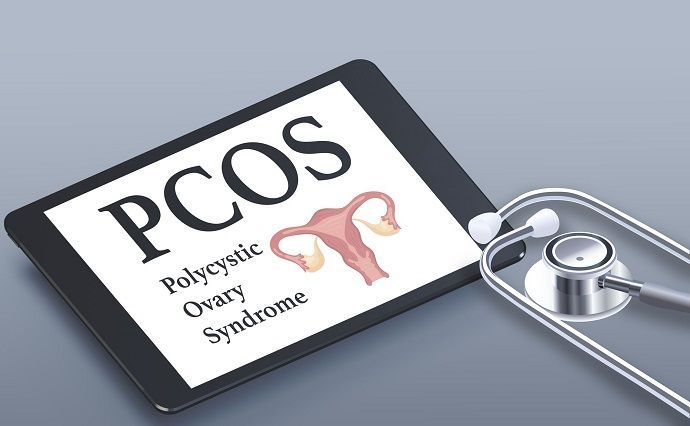
Polycystic literally means "many cysts." In medical terms, it usually refers to a condition called polycystic ovary syndrome (PCOS). PCOS is a hormonal disorder commonly seen in women of childbearing age. The condition is characterized by the presence of multiple fluid-filled cysts in the ovaries. PCOS can cause symptoms like irregular periods, weight gain, acne, and excessive hair growth. Women with PCOS may also experience infertility, diabetes, and heart disease later in life. The exact cause of PCOS is not known, but genetics and insulin resistance are considered contributing factors. PCOS is diagnosed based on symptoms, physical examination, and blood tests.
-
THYROID Panel - COMPREHENSIVE$238
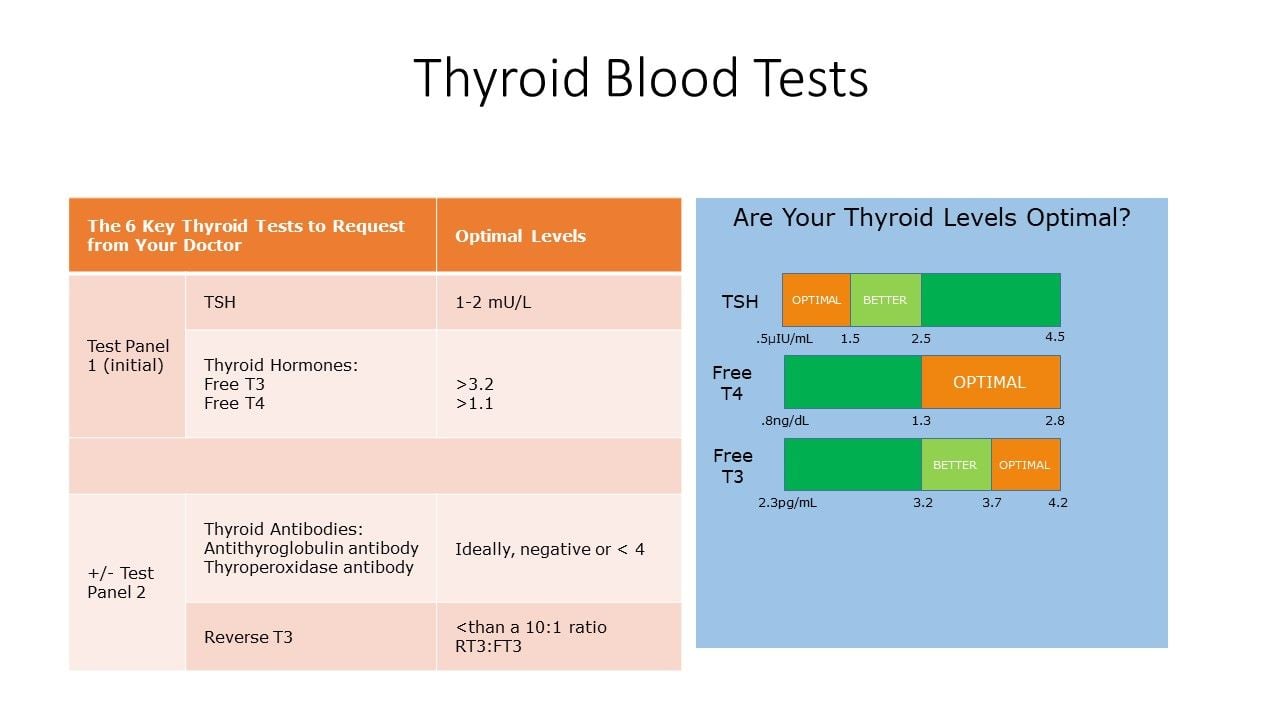
Learn MoreThis test panel includes most tests needed to more deeply explore the possibility of hypothyroidism and/or Hashimoto's disease diagnosis. It includes: TSH, Free T3, Free T4, Reverse T3, Thyroglobulin Antibody and Thyroid Peroxidase Antibody (Anti-TPO). If you are taking biotin, please stop it 72 hours before the blood draw since it may interfere with hormone blood tests. A study found that TSH was suppressed in all subjects after food, so fasting may be suggested although it is not reqired by Quest. Free T4 and Free T4 values did not change significantly after eating. NOTE: Reverse T3 is analyzed using a specific technique called liquid chromatography/tandem mass spectrometry (LC/MS-MS). There's a special place in the U.S. where these precise machines needed for LC/MS panels run only on two specific days a week. So, sometimes the clock ticks a bit while we wait for samples to return from their initial collection points. Results may take 7 business days.
-
Post PCT Panel$216
Learn MoreThis PCT after cycle panel is designed to measure the health and recovery of the Hypothalamic-Pituitary-Testicular Axis (HPTA) after attempting to normalize it spontaneously or with the use of Post-Cycle Therapy (PCT) . PCT is prescribed by some physicians for men who stop testosterone replacement therapy (TRT) or other androgens. Fasting is required for CMP (glucose test).
-
CPK Blood Test (Creatine Phosphokinase)$24
Learn MoreCPK is creatine phosphokinase, an enzyme in the heart, brain, and skeletal muscle. High CPK can indicate muscle destruction, heart attacks, and central nervous system issues. Long-term exposure to high CPK can load up your kidneys and cause muscle loss and weakness. Sometimes we have no symptoms when CPK is high, but most of the time, we have body aches and soreness. Resistance training can raise CPK, so stop working out for at least five days before the CPK test.
-
Alkaline Phosphatase Isoenzymes$99
Learn MoreAlkaline Phosphatase (AP) The isoenzymes test, a diagnostic tool, measures the various forms of alkaline phosphatase (ALP) enzyme that are present in the blood. The body has the enzyme ALP in a variety of tissues, with the liver, bones, kidneys, and intestines having the largest quantities. Isoleucines are the slightly different forms of ALP that various tissues produce.