Search results for: 'signal'
-
Immunoglobulin A Test$32
Learn MoreImmunoglobulin A (IgA) is a crucial antibody in the immune system, predominantly found in mucous membranes of the respiratory and gastrointestinal tracts. It helps protect against infections by neutralizing pathogens before they can cause harm. Testing IgA levels can provide insights into immune health, indicating potential issues such as chronic infections, autoimmune diseases, or immunodeficiency disorders. Elevated or decreased IgA levels can signal various health conditions, making this test valuable for diagnosing and managing immune-related issues. For those experiencing frequent infections or gastrointestinal issues, an IgA test can be an essential diagnostic tool.
-
Urinalysis, Complete, with Reflex to Culture$21
Learn MoreUrinalysis with reflex to culture testing is done when the first urinalysis results are not normal or when doctors think the person might have a urinary tract infection, kidney disease, or another problem with their urinary tract. Several conditions may necessitate urinalysis with reflex testing. Urinary tract infections (UTIs) are a common reason for reflex testing, as it helps healthcare providers identify the specific bacteria causing the infection and determine the most effective antibiotic treatment. Kidney diseases, such as glomerulonephritis or renal tubular acidosis, may also require reflex testing for accurate diagnosis and management. Conditions like hematuria (blood in urine) or proteinuria (protein in urine) warrant further investigation, as they may indicate underlying kidney disease or urinary tract neoplasms. Pregnant women may undergo reflex testing to monitor for gestational diabetes and preeclampsia. NOTE: You need to visit the lab near you to submit two separate specimens in containers provided by the lab. NOTE: The culture will ONLY be performed if any of the following Urinalysis results are applicable:
•Presence of Leukocyte esterase alone
•Presence of WBCs (>5/hpf) alone
•Presence of Yeast
•Presence of Bacteria and the presence of WBCs (>5/hpf) or Leukocyte esterase
•Presence of Nitrite and the presence of WBCs (>5/hpf) or Leukocyte esterase -
ESTRADIOL Ultra Sensitive (LC/MS) Blood Test$39
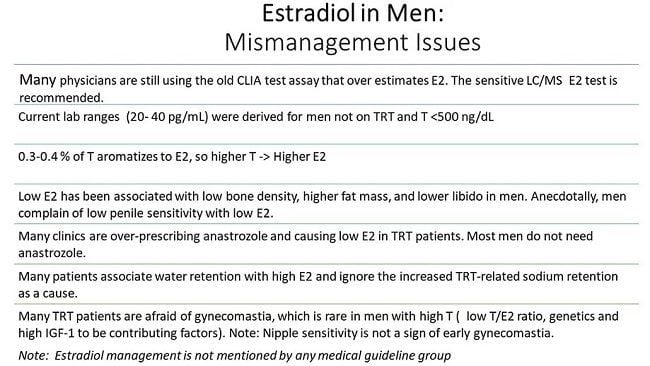
Learn MoreThis ultrasensitive estradiol test is recommended for men. The commonly used estradiol test may overestimate estradiol in men. That test uses immunoassay technology that cannot differentiate C-Reactive Protein (involved in inflammation) from estradiol, so it reads the combination of the two as estradiol. This ultrasensitive estradiol test is based on liquid chromatography/mass spectrometry (LC/MS), an assay technology that does not have that limitation.
Important note: The blood sample is sent out to Quest Diagnostics Nichols Institute San Juan Capistrano, Caifornia. Overnight delivery and testing is performed on Sunday and Friday. Reports are available within 5-7 business days from the time the specimen is collected.
-
Adrenal Insufficiency Panel- Basic$203
Learn MoreDiscounted Labs’ basic adrenal insufficiency panel includes cortisol, ACTH, and DHEA as a starting point. Depending on lab test results from this panel, physicians may choose to do an ACTH stimulation test, renin, potassium, and sodium. Imaging studies like a CT scan of the adrenal glands may also be considered to check for adrenal growths. In order to check for Addison's Disease, the auto-immune type of primary adrenal insufficiency, labs should be drawn to check 21-hydroxylase
-
PreOp Surgery Lab Test Panel$73
Learn MoreThe pre-op (surgery) blood test includes the three test panels (CBC, CMP, and Prothrombin Time Test) most commonly ordered before a person has surgery. Pre-operative testing is usually done during the few days before the surgery. This panel lets your surgeon know what to be aware of in case of complications during surgery.
-
Comprehensive Fatigue Panel$432
Learn MoreThe causes of fatigue are multifactorial and could involve imbalances in several hormones. This panel includes most hormones and variables involved in the diagnosis and treatment of fatigue. Ordering this panel provides substantial cost savings when compared to ordering each test separately. The panel is useful for men and women. TESTS INCLUDED IN THIS PANEL: TOTAL AND FREE TESTOSTERONE, THYROID FUNCTION: TSH, Free T3, Free T4, Thyroid Antibodies, HEMOGLOBIN A1c, Complete Blood Count (CBC) Test (Includes white, red cells and platelets), Comprehensive Metabolic Panel (CMP), IRON, TIBC (Total Iron Binding Capacity), FERRITIN, ADRENAL FUNCTION: Cortisol and DHEA-S
-
Prolactin$44
Learn MoreA prolactin blood test is used by doctors to evaluate sexual dysfunction or very low testosterone blood levels of unknown causes in both men and women.
-
DHEA-Sulfate$43
Learn MoreThe adrenal gland produces a hormone known as dehydroepiandrosterone (DHEA). It is also made in the brain. DHEA leads to the production of androgens and estrogens (male and female sex hormones). DHEA levels in the body begin to decrease after age 30. Lower DHEA levels are found in people with hormonal disorders, HIV/AIDS, Alzheimer's disease, heart disease, depression, diabetes, inflammation, immune disorders, and osteoporosis. Corticosteroids, birth control taken by mouth, and agents that treat psychiatric disorders may reduce DHEA levels.
-
Cortisol Blood Test$30
Learn MoreCortisol (hydrocortisone) is the most prominent glucocorticosteroid, and it is essential for the maintenance of several body functions. The most important physiological effects of cortisol are that it raises blood sugar levels (enhances gluconeogenesis, or breaks down glucose) and lowers inflammation and the immune system.
-
GGT -Gamma Glutamyl Transpeptidase Liver Enzyme$46
Learn MoreThe GGT bood test looks for an enzyme, or protein, called gamma-glutamyl transpeptidase (GGT) in your blood. GGT is found in liver cells. This test helps your doctor look for possible damage to your liver or its ducts. It can also help tell the difference between liver and bone disease if your results from a different blood test called alkaline phosphatase are abnormal. Higher than normal test results could be a sign of liver damage from diseases such as hepatitis, cirrhosis, tumors, or pancreatic cancer. But a higher than normal GGT level does not tell you the specific cause of liver disease or damage.
-
Phosphate (as Phosphorus )$20
Learn MorePhosphate (as Phosphorus) - Serum phosphorus (Phosphate) levels alone are of limited diagnostic value and should be correlated with serum calcium levels. An increased phosphorus with decreased calcium suggests either hypoparathyroidism or renal disease. A decreased phosphorus and an increased calcium suggests hyperparathyroidism or sarcoidosis. When both calcium and phosphorus are decreased diagnostic considerations include malabsorption, vitamin D deficiency and renal tubular acidosis. Increased phosphorus and normal or increased calcium suggests Milk-alkali syndrome or hypervitaminosis D.
-
Estrone$106
Learn MoreEstrone (E1) is one of the three estrogens, which also include estriol and estradiol. Estrone is the least abundant of the three and is considered a pro-hormone of estradiol.
-
THYROID Panel (TSH + Free T3 + Free T4)$100
Learn MoreThis panel includes comprehensive testing of the thyroid stimulating hormone (TSH) in addition to free thyroxine (T4) and free triiodothyronine (T3).
-
Electrolyte Panel$67
Learn MoreThe electrolyte panel includes: Carbon dioxide, chloride, potassium, and sodium
-
Water Retention Panel: Aldosterone/Plasma Renin Activity Ratio, LC/MS/MS$204
Learn MoreRenin, also known as angiotensinogenase, is an enzyme that the kidneys produce to regulate aldosterone production. It’s also essential in the renin–angiotensin aldosterone system (RAAS) which maintains your body’s fluid balance and blood pressure. Aldosterone is the primary of several endogenous members of the class of mineralocorticoids in humans. Aldosterone tends to promote sodium and water retention, and lower plasma postasium concentrations.
-
Growth Hormone Blood Test$68
Learn MoreA single fasting growth hormone (GH) level is of limited value. The secretion of GH is episodic and pulsatile. GH has a half-life of 20 to 25 minutes. Testing for growth hormone deficiency or excess is best done as part of a dynamic test involving specific stimuli (see the online Endocrine Appendices: Growth Hormone Stimulation and Growth Hormone Suppression). Insulin-like growth factor-1 can also be useful in assessing growth hormone status.
-
CPK Blood Test (Creatine Phosphokinase)$24
Learn MoreCPK is creatine phosphokinase, an enzyme in the heart, brain, and skeletal muscle. High CPK can indicate muscle destruction, heart attacks, and central nervous system issues. Long-term exposure to high CPK can load up your kidneys and cause muscle loss and weakness. Sometimes we have no symptoms when CPK is high, but most of the time, we have body aches and soreness. Resistance training can raise CPK, so stop working out for at least five days before the CPK test.
-