Search results for: 'someone'
-
Ferritin$20
Learn MoreFerritin is a protein that stores iron. Red blood cells need iron to form normally and carry oxygen around your body. Low levels of ferritin lead to iron deficiency anemia, which means you have too few red blood cells. High levels of ferritin can damage your joints, heart, liver, and pancreas.
-
Phosphate (as Phosphorus )$20
Learn MorePhosphate (as Phosphorus) - Serum phosphorus (Phosphate) levels alone are of limited diagnostic value and should be correlated with serum calcium levels. An increased phosphorus with decreased calcium suggests either hypoparathyroidism or renal disease. A decreased phosphorus and an increased calcium suggests hyperparathyroidism or sarcoidosis. When both calcium and phosphorus are decreased diagnostic considerations include malabsorption, vitamin D deficiency and renal tubular acidosis. Increased phosphorus and normal or increased calcium suggests Milk-alkali syndrome or hypervitaminosis D.
-
CBC with Differential$16
Learn MoreA complete blood count CBC with differential test panel measures several components of your blood including:Red blood cells, which carry oxygen, White blood cells, which fight infection, Hemoglobin, the oxygen-carrying protein in red blood cells, Hematocrit, the proportion of red blood cells to the fluid component in your blood (which correlated with blood thickness), and Platelets, which help with blood clotting. This is also called Complete Blood Count (CBC) with Differential and Platelets Blood Test
-
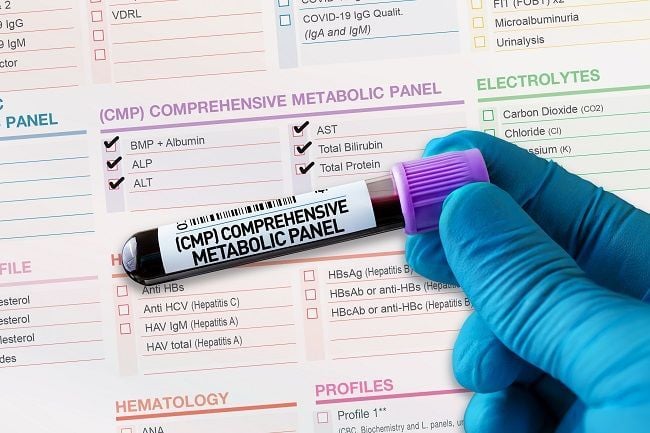
CMP Panel - Comprehensive Metabolic Panel$19
Learn MoreIncludes liver and kidney function, glucose and electrolytes
-
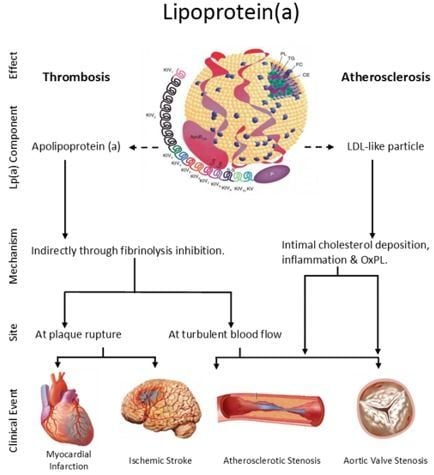
Lipoprotein a Test$76
Learn MoreLipoprotein (a) has been called a powerful predictor of premature atherosclerotic vascular disease. As an independent risk factor for premature coronary artery disease, excess Lp(a) concentrations are associated with an increased risk of cardiac death in patients with acute coronary syndromes and with restenosis after angioplasty (PTCA) and coronary bypass procedures. In general, concentrations greater than or equal to 75 nmol/L of Lp(a) in serum are associated with a two- to sixfold increase in risk, depending on the presence of other risk factors.
-
C-Peptide Test$63
Learn MorePatients with diabetes may get a C-peptide test as a means of distinguishing type 1 diabetes from type 2 diabetes or Maturity onset diabetes of the young (MODY). Measuring C-peptide can help to determine how much of their own natural insulin a person is producing as C-peptide is secreted in equimolar amounts to insulin. C-peptide levels are measured instead of insulin levels because C-peptide can assess a person's own insulin secretion even if they receive insulin injections, and because the liver metabolizes a large and variable amount of insulin secreted into the portal vein but does not metabolize C-peptide, meaning blood C-peptide may be a better measure of portal insulin secretion than insulin itself.