Search results for: 'miner'
-
Water Retention Panel: Aldosterone/Plasma Renin Activity Ratio, LC/MS/MS$204
Learn MoreRenin, also known as angiotensinogenase, is an enzyme that the kidneys produce to regulate aldosterone production. It’s also essential in the renin–angiotensin aldosterone system (RAAS) which maintains your body’s fluid balance and blood pressure. Aldosterone is the primary of several endogenous members of the class of mineralocorticoids in humans. Aldosterone tends to promote sodium and water retention, and lower plasma postasium concentrations.
-
Ferritin$20
Learn MoreFerritin is a protein that stores iron. Red blood cells need iron to form normally and carry oxygen around your body. Low levels of ferritin lead to iron deficiency anemia, which means you have too few red blood cells. High levels of ferritin can damage your joints, heart, liver, and pancreas.
-
Iron and Total Iron Binding Capacity (TIBC)$24
Learn MoreThe serum iron test measures the amount of iron in your blood. The total iron-binding capacity (TIBC) test looks at how well the iron moves through your body.
-
Phosphate (as Phosphorus )$20
Learn MorePhosphate (as Phosphorus) - Serum phosphorus (Phosphate) levels alone are of limited diagnostic value and should be correlated with serum calcium levels. An increased phosphorus with decreased calcium suggests either hypoparathyroidism or renal disease. A decreased phosphorus and an increased calcium suggests hyperparathyroidism or sarcoidosis. When both calcium and phosphorus are decreased diagnostic considerations include malabsorption, vitamin D deficiency and renal tubular acidosis. Increased phosphorus and normal or increased calcium suggests Milk-alkali syndrome or hypervitaminosis D.
-
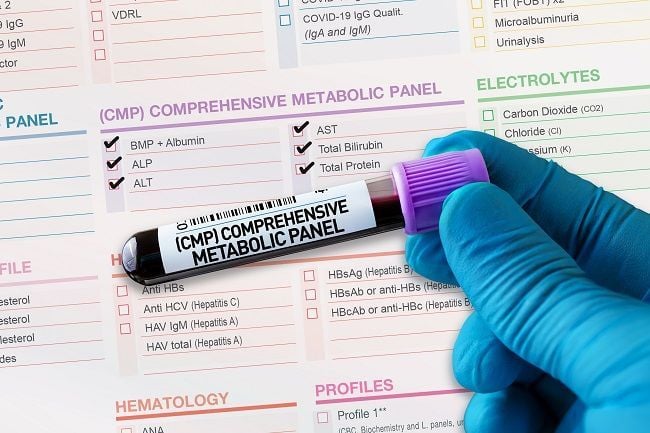
CMP Panel - Comprehensive Metabolic Panel$19
Learn MoreIncludes liver and kidney function, glucose and electrolytes
-
Magnesium, Red Blood Cell (RBC) Content$69
Learn MoreA Magnesium RBC test can provide an earlier indicator of magnesium deficiency that a standard magnesium blood test. When levels are low, the body will pull magnesium from the cells to keep blood levels normal. In this case, a magnesium blood test may show normal levels while a magnesium RBC test will give a more accurate result.