Search results for: 'resist'
-
Cardio IQ Insulin Resistance Panel with Score$283
Learn MoreThe Cardio IQ® Insulin Resistance Score (IR), which uses fasting insulin and C-peptide measurements to estimate a person's likelihood of having insulin resistance. It eliminates the need for multiple samples and reduces the chance of errors that can occur with some other tests.
Having a high score (indicating a greater probability of insulin resistance) was linked to an increased risk of developing type 2 diabetes, even after accounting for other risk factors.
An IR score of <33 suggests that an individual has normal insulin sensitivity.
A score of 33 to 66 suggests that an individual has >4-fold greater odds of having IR compared with an individual with a score <33 .
A score >66 suggests that an individual has >15-fold greater odds of having IR compared to an individual with a scoreFasting Required for 10-12 hours. Water only.
-
Glucose Tolerance Test (GTT), 2 Specimens$85
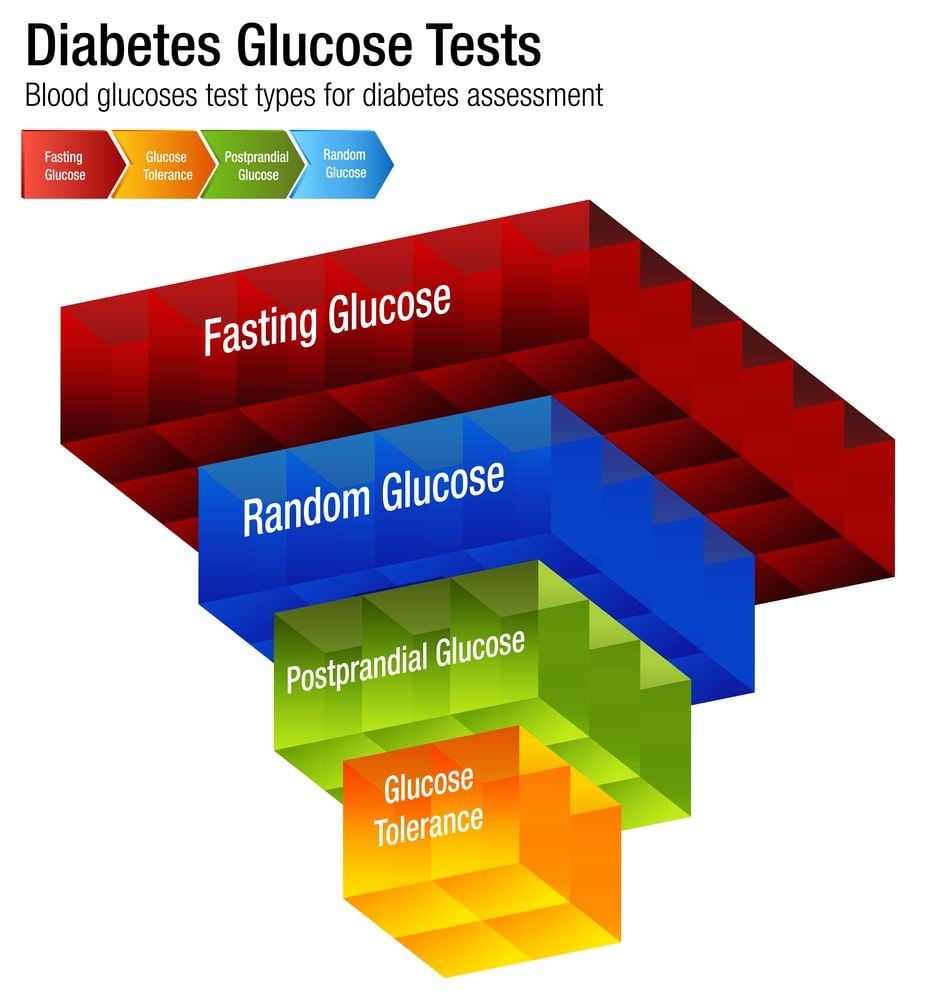
Learn MoreThe glucose tolerance test is a medical test in which glucose is given and blood samples taken afterward to determine how quickly it is cleared from the blood. The test is usually used to test for diabetes, insulin resistance, impaired beta cell function, and sometimes reactive hypoglycemia and acromegaly, or rarer disorders of carbohydrate metabolism. In the most commonly performed version of the test, an oral glucose tolerance test (OGTT), a standard dose of glucose is ingested by mouth and glucose blood levels are checked right after ingestion and then two hours later.
-
Insulin Fasting Blood Test$26
Learn MoreThe fasting insulin test is a blood test that measures the level of insulin in your blood after you have fasted (not eaten or drunk anything except water) for at least 8 hours. Insulin is a hormone produced by the pancreas that helps regulate blood sugar levels. The fasting insulin test is often used to help diagnose conditions such as insulin resistance, prediabetes, and type 2 diabetes. It may also be ordered to monitor the effectiveness of treatment for these conditions. The test is usually done in the morning, after an overnight fast. The test results will be reported in units of insulin per liter of blood (U/L). It is important to note that the interpretation of a fasting insulin test may vary depending on the individual's medical history and other factors. A healthcare provider should be consulted to interpret the test results correctly.
-
CPK Blood Test (Creatine Phosphokinase)$24
Learn MoreCPK is creatine phosphokinase, an enzyme in the heart, brain, and skeletal muscle. High CPK can indicate muscle destruction, heart attacks, and central nervous system issues. Long-term exposure to high CPK can load up your kidneys and cause muscle loss and weakness. Sometimes we have no symptoms when CPK is high, but most of the time, we have body aches and soreness. Resistance training can raise CPK, so stop working out for at least five days before the CPK test.
-
Glutathione Blood Test$202
Learn MoreBoth chronically low and high levels of glutathione in the body are indicative of potentially debilitating health problems. Glutathione level is a crucial marker for many diseases, both chronic and acute. Given the importance of this protein to human health; discovering your glutathione levels could be one more way to monitor health levels, immune function, and the potential risk of diseases that have been associated with chronically low or high levels of this essential peptide.
-
Vitamin D ( 25OHD )$43
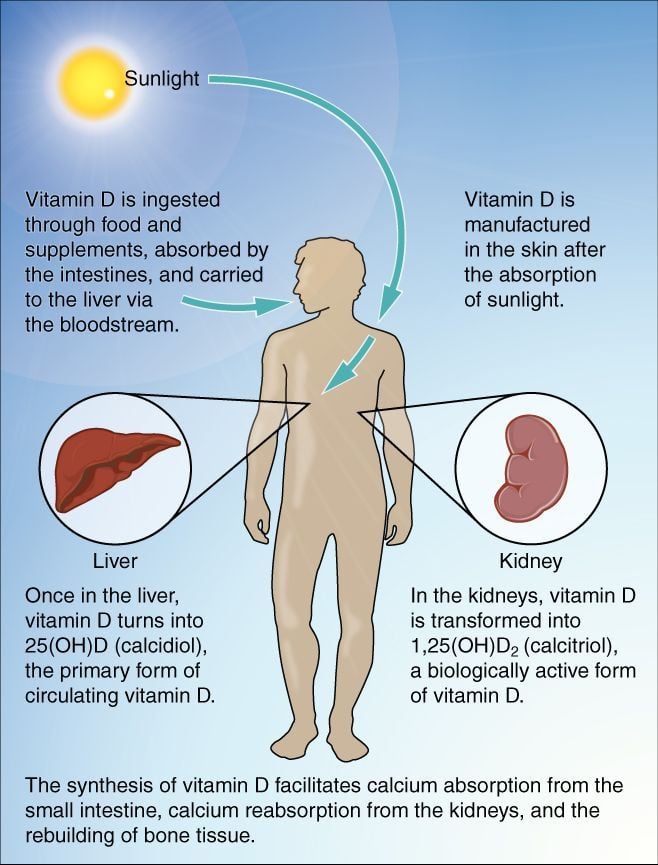
Learn MoreVitamin D is essential for bone health and many metabolic processes. The body derives it from sunlight and food sources. Many people do not get enough sunlight or do not consume enough vitamin D rich foods. This test is important to determine if you need vitamin D supplementation or if your current supplementation is effective.
-
ApoB Test$50
Learn MoreApoB Blood Test has been reported to be a powerful indicator of Coronary Artery Disease (CAD). In some patients with CAD, APO B is elevated even in the presence of normal LDL cholesterol. Instead of non-HDL-C levels, ApoB levels may be used to check how well lipid treatment is working. Non-HDL-C is the total cholesterol concentration minus the amount of HDL. A healthcare practitioner may order both an lipoprotein a (associated with high-density lipoprotein (HDL), the "good" cholesterol) and an apo B to determine an apo B/apo A-I ratio. This ratio is sometimes used as an alternative to a total cholesterol/HDL ratio to evaluate risk for developing CVD.
-
Growth Hormone Blood Test$68
Learn MoreA single fasting growth hormone (GH) level is of limited value. The secretion of GH is episodic and pulsatile. GH has a half-life of 20 to 25 minutes. Testing for growth hormone deficiency or excess is best done as part of a dynamic test involving specific stimuli (see the online Endocrine Appendices: Growth Hormone Stimulation and Growth Hormone Suppression). Insulin-like growth factor-1 can also be useful in assessing growth hormone status.
-
C-Peptide Test$63
Learn MorePatients with diabetes may get a C-peptide test as a means of distinguishing type 1 diabetes from type 2 diabetes or Maturity onset diabetes of the young (MODY). Measuring C-peptide can help to determine how much of their own natural insulin a person is producing as C-peptide is secreted in equimolar amounts to insulin. C-peptide levels are measured instead of insulin levels because C-peptide can assess a person's own insulin secretion even if they receive insulin injections, and because the liver metabolizes a large and variable amount of insulin secreted into the portal vein but does not metabolize C-peptide, meaning blood C-peptide may be a better measure of portal insulin secretion than insulin itself.
-
Magnesium, Red Blood Cell (RBC) Content$69
Learn MoreA Magnesium RBC test can provide an earlier indicator of magnesium deficiency that a standard magnesium blood test. When levels are low, the body will pull magnesium from the cells to keep blood levels normal. In this case, a magnesium blood test may show normal levels while a magnesium RBC test will give a more accurate result.
-
Diabetes Panel$226
Learn MoreThis diabetes panel includes important tests usually prescribed for anyone living with Type 1 or Type 2 diabetes. It includes A1c, CMP, Urinialysis, Insulin, and Glucose Tolerance Test (GTT).
-
-
DHT Test$89
Learn MoreThis test measures the amount of dihydrotestosterone (DHT) in the blood. Low DHT has been associated with low libido and high DHT has been linked to acne, hair loss and benign prostatic inflammation in a minority of men.
-
Cardio IQ Advanced Lipid Panel$192
Learn MoreThe Cardio IQ® Report provides an in-depth assessment of cardiovascular risks to help physicians recommend the ideal individualized treatment option for patient to minimize cardiovascular disease.
The report is simple, yet comprehensive. It is color-coded to display progressive risk values versus goal using “optimal,” “moderate,” and “high-risk” categories and grouped by functional categories.
Cardio IQ Advanced Lipid Panel The Cardio IQ Advanced Lipid Panel includes:Total Cholesterol, Triglycerides, HDL, LDL and Cholesterol/HDL ratio, LDL Particle Number, LDL Peak Size, LDL Pattern, HDL Large, LDL Small, LDL Medium, Apolipoprotein B, Lipoprotein (a). Fasting is not required prior to collection of a lipid panel. Results for this test take 2 weeks to receive.
-
A1c- Hemoglobin (Hgb)$21
Learn MoreThe A1c test works by measuring the hemoglobin A1c level. Hemoglobin is stored in the red blood cells. When glucose levels are high, the sugar starts to combine with the hemoglobin. It takes the body 8 to 12 weeks to bring hemoglobin A1c levels back to normal. Therefore, if hemoglobin A1c levels are high, that means that there has been a high level of glucose in the blood over the last 2 to 3 months.