Search results for: 'Antibodies'
-
Measles, Mumps, and Rubella (MMR) Antibodies (IgG) Panel, Immune Status$55
Learn MoreThis test includes:
Measles Antibody (IgG), Immune Status
Mumps Virus Antibody (IgG), Immune Status
Rubella Antibody (IgG), Immune Status
Measles, is a viral infection that starts in the respiratory system.The immunity test confirms if any person is vaccinated against this virus. The presence of IgG is consistent with immunity or prior exposure. -
Mononucleosis Test: Epstein-Barr Virus (EBV) Antibodies Panel$379
Learn MoreEpstein-Barr (EB) virus is a herpes group virus that is ubiquitous. It leads to infectious mononucleosis and may play a role in the development of Burkitt lymphoma, some nasopharyngeal carcinomas, and a few rare genetic lymphoproliferative disorders. Antibodies to early antigen, IgM and IgG antibodies to viral capsid antigen (VCA), and antibodies to Epstein-Barr nuclear antigen (EBNA) are all part of the EBV test.
-
THYROID Peroxidase Antibodies - TPO Antibodies$36
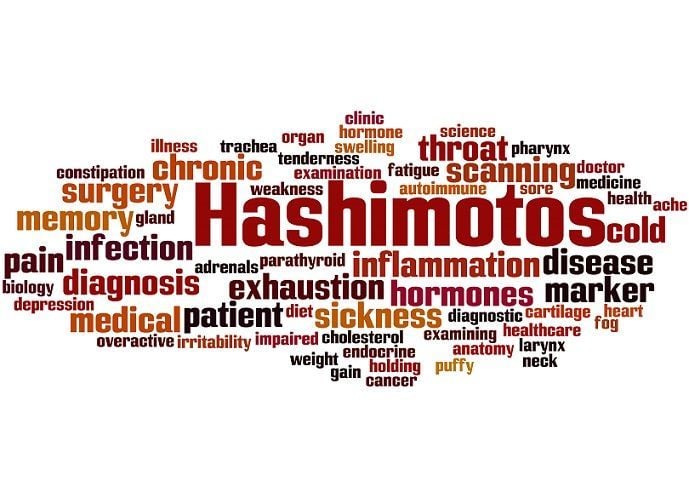
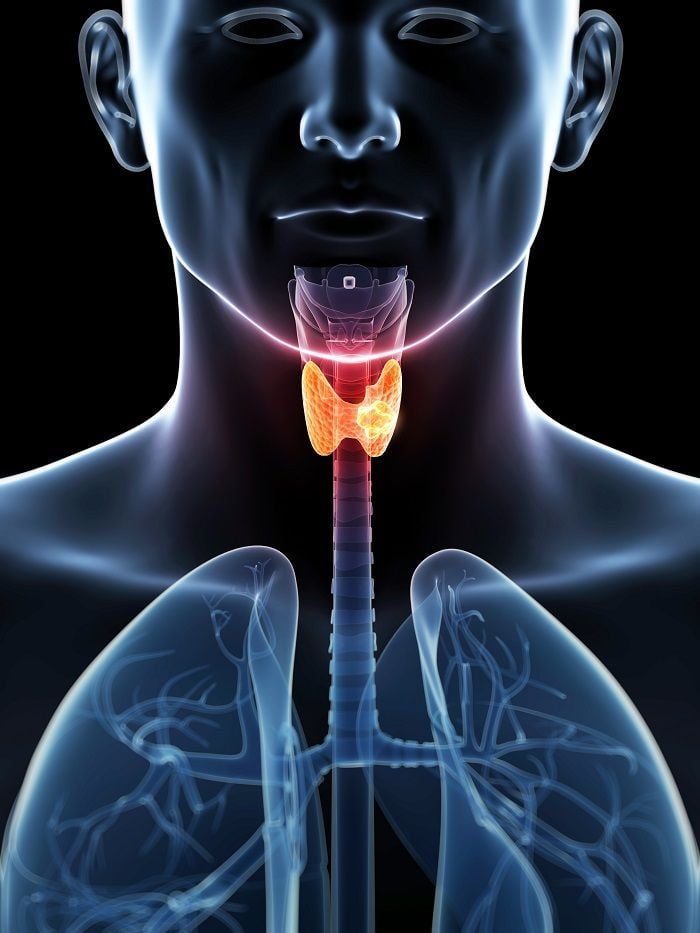
Learn MoreThe determination of TPO antibody levels is the most sensitive test for detecting autoimmune thyroid disease (eg, Hashimoto's thyroiditis, idiopathic myxedema, and Graves disease) and detectable concentrations of anti-TPO antibodies are observed in most patients with these disorders. The highest TPO antibody levels are observed in patients suffering from Hashimoto thyroiditis. In this disease, the prevalence of TPO antibodies is about 90% of cases, confirming the autoimmune origin of the disease. These autoantibodies also frequently occur (60%–80%) in the course of Graves disease.
-
Autoimmune Antibodies: ANA Screen, IFA, with Reflex to Titer and Pattern$30
Learn MoreThis test measures ANA Screen, IFA, with Reflex to Titer and Pattern - Several rheumatic diseases are linked to antinuclear antibodies. These include Systemic Lupus Erythematous (SLE), mixed connective tissue disease, Sjogren's syndrome, scleroderma, polymyositis, CREST syndrome, and neurologic SLE. LOWEST PRICE.
-
Thyroglobulin Antibody$48
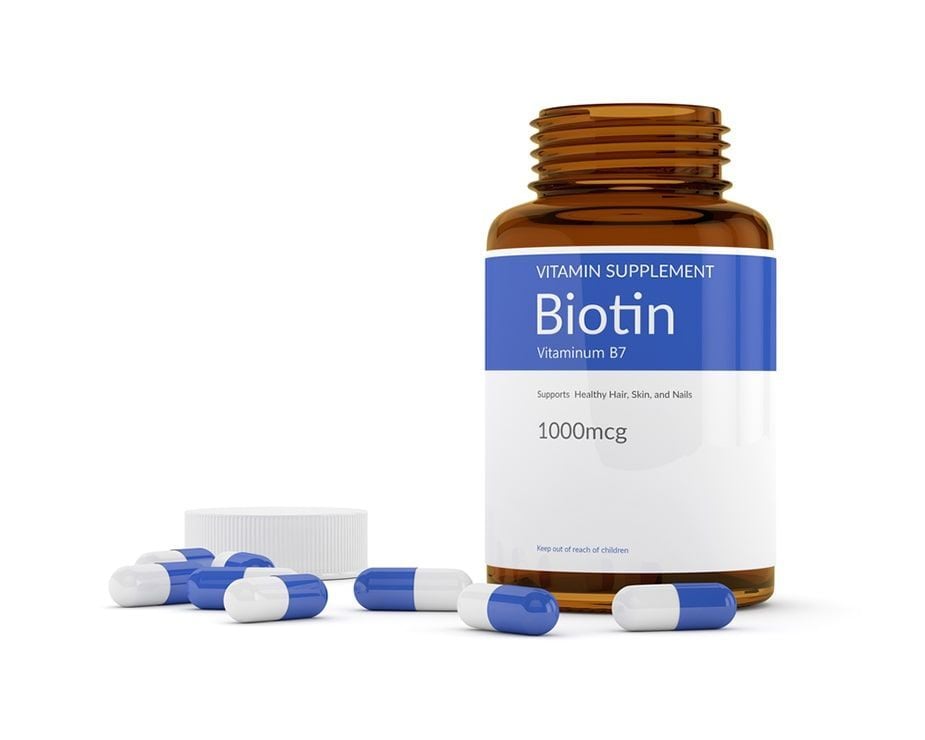
Learn MoreThis test measures thyroglobulin antibodies commonly present in patients with Hashimoto's thyroiditis. Antibodies against the protein thyroglobulin can result in the destruction of thyroid cells. This destruction can lead to hypothyroidism. NOTE: Dietary supplements containing biotin may interfere in assays and may skew results to be either falsely high or falsely low. For patients receiving the recommended daily doses of biotin, draw samples at least 8 hours following the last biotin supplementation. For patients on mega doses of biotin supplements, draw samples at least 72 hours following the last biotin supplementation.
-
Thyroid Antibody Panel$78
Learn MoreThese two tests measure antithyroglobulin antibodies and Anti-TPO antibodies that are commonly present in patients with Hashimoto's thyroiditis, Graves disease and other thyroid-related conditions. Antibodies against the protein thyroglobulin can result in the destruction of thyroid cells. TPO antibodies are created when the immune system of a person targets by pure error elements of the thyroid gland or protein, leading to chronic thyroid inflammation, tissue damage, and damage to the thyroid function. Leaving this untreated may cause severe health issues.
-
Tissue Transglutaminase (tTG) Antibody for Celiac Disease$58
Learn MoreThis is the most affordable tTG test in the nation. This test is used for the detection of antibodies to aid in the diagnosis of gluten-sensitive enteropathy (GSE), such as celiac disease and dermatitis herpetiformis
-
ALLERGY MOLD PANEL, COMPLETE$170
Learn MoreAllergy Mold Panel, Complete -
This panel tests for specific IgE antibodies to 6 molds that are commonly associated with allergies. Allergen-specific serum IgE testing is considered comparable to skin testing and may be preferred in some clinical situations. However, a positive test result only indicates that a patient is sensitized to the allergen of concern. Many IgE-sensitized individuals do not develop any symptoms when exposed to the allergen. Only a qualified medical professional who has conducted a thorough clinical evaluation should make an allergy diagnosis. These are the 6 molds tested:
Alternaria alternata (m6)
Alternaria is one of the most common outdoor molds and a frequent cause of mold allergies. When Alternaria spores are inhaled, they can trigger an allergic response in susceptible individuals. This can lead to symptoms like sneezing, runny nose, nasal congestion, and asthma exacerbations.1
Aspergillus fumigatus (m3)
Aspergillus is a genus of molds that can cause both allergic reactions and infections, especially in people with weakened immune systems. Aspergillus fumigatus is a common indoor mold that can trigger allergic rhinitis, asthma, and a rare condition called allergic bronchopulmonary aspergillosis (ABPA).2
Cladosporium herbarum (m2)
Cladosporium is one of the most common outdoor molds and a frequent cause of mold allergies. When breathed in by sensitive people, Cladosporium spores can cause allergic reactions like sneezing, nasal congestion, and asthma symptoms. 1
Mucor racemosus (m4)
Mucor is a genus of molds that can cause allergic reactions in some people. Inhaling Mucor spores may lead to symptoms like nasal congestion, sneezing, and asthma exacerbations in those with a Mucor allergy.
Penicillium notatum (m1)
Penicillium is a common indoor mold that can cause allergic reactions. When Penicillium spores are inhaled, they may trigger symptoms such as sneezing, runny nose, nasal congestion, and asthma in individuals with a Penicillium allergy.1
Stemphylium botryosum (m10)
Stemphylium is a genus of molds that can be an allergen for some people. Inhaling Stemphylium spores may lead to allergic rhinitis symptoms like sneezing, nasal congestion, and itchy/watery eyes in those with a Stemphylium allergy.In conclusion, when sensitive people inhale the spores from these common mold species, they can all cause allergic reactions. The allergic symptoms typically include nasal congestion, sneezing, runny nose, and asthma exacerbations. Avoiding exposure to these molds is key for managing mold allergies.12
-
Women Ultra Elite Panel$1,312
Learn MoreThis women's ultra elite lab test panel offers the best savings for men to determine their immune health, liver and kidney function, electrolytes, blood sugar, advanced lipid panel, thyroid function, inflammatory markers involved in heart disease, testosterone total and free, urinalysis to determine UTIs and kidney function, ultrasensitive estradiol, DHEA-S, IGF-1, DHT, Prolactin, Progesterone, Estrone, Total Estrogens, vitamins D and B12+ folate, and iron/ferritin to determine fatigue, anemia or increased risk of iron overload.Tests included are:
Complete Blood Count with Differential (CBC)
Comprehensive Metabolic Panel (CMP)
Hemoglobin A1c
Cardio IQ Advanced Lipid Panel
Urinalysis, Complete
TSH
Thyroid Free T3
Thyroid Free T4
Reverse T3
TPO Antibodies
Thyroglobulin Antibodies
Homocysteine
Cardio C-Reactive Protein
CPK
Estradiol, Ultra Sensitive
Testosterone Total & Free (LC/MS- No upper limit)
DHEA – S
Prolactin
DHT
IGF-1
Progesterone
Estrone
Total Estrogens
LH + FSH
Anti-Müllerian Hormone (AMH)
Vitamin D (25OHD)
Vitamin B-12
Folate
Ferritin
Iron & TIBC (Total Iron Binding Capacity) -
C-Peptide Test$63
Learn MorePatients with diabetes may get a C-peptide test as a means of distinguishing type 1 diabetes from type 2 diabetes or Maturity onset diabetes of the young (MODY). Measuring C-peptide can help to determine how much of their own natural insulin a person is producing as C-peptide is secreted in equimolar amounts to insulin. C-peptide levels are measured instead of insulin levels because C-peptide can assess a person's own insulin secretion even if they receive insulin injections, and because the liver metabolizes a large and variable amount of insulin secreted into the portal vein but does not metabolize C-peptide, meaning blood C-peptide may be a better measure of portal insulin secretion than insulin itself.
-
Estrogens Total Test$75
Learn MoreEstrogen is the primary female sex hormone as well as a medication. It is responsible for the development and regulation of the female reproductive system and secondary sex characteristics. There are three major endogenous estrogens in women and men: estrone, estradiol, and estriol. This test does not specify each of these estrogens.
-
CBC with Differential$16
Learn MoreA complete blood count CBC with differential test panel measures several components of your blood including:Red blood cells, which carry oxygen, White blood cells, which fight infection, Hemoglobin, the oxygen-carrying protein in red blood cells, Hematocrit, the proportion of red blood cells to the fluid component in your blood (which correlated with blood thickness), and Platelets, which help with blood clotting. This is also called Complete Blood Count (CBC) with Differential and Platelets Blood Test
-
Rheumatoid Arthritis Factor Test$59
Learn MoreThe Rheumatoid Arthritis Factor is often evaluated in patients suspected of having any form of arthritis or destructive articular disease even though positive results can be due to other causes, and negative results do not rule out disease. But, in combination with signs and symptoms, it can play a role in both diagnosis and disease prognosis. It is part of the usual disease criteria of rheumatoid arthritis.
-
Cortisol Blood Test$30
Learn MoreCortisol (hydrocortisone) is the most prominent glucocorticosteroid, and it is essential for the maintenance of several body functions. The most important physiological effects of cortisol are that it raises blood sugar levels (enhances gluconeogenesis, or breaks down glucose) and lowers inflammation and the immune system.
-
THYROID Stimulating Hormone-TSH$21
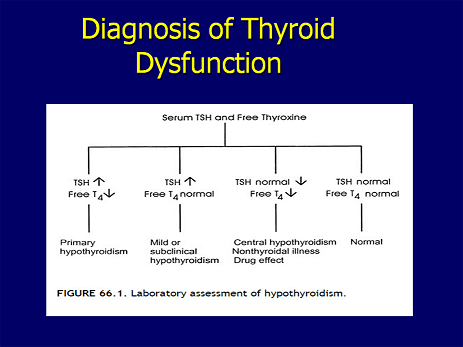
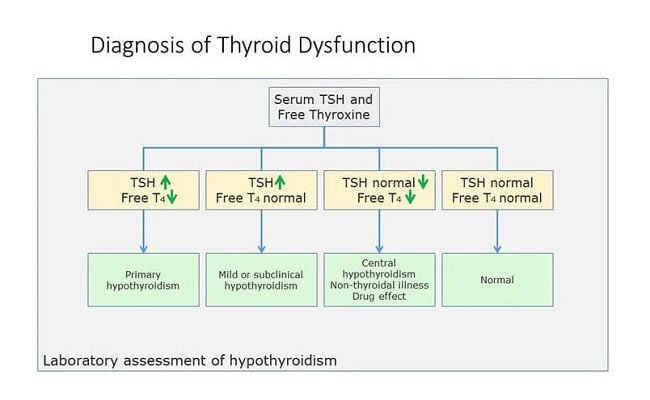
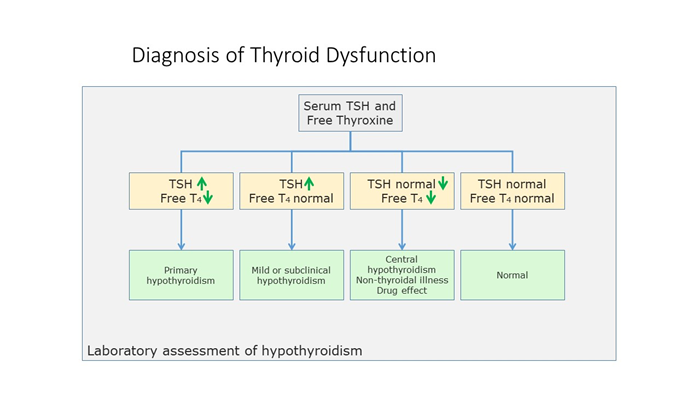
Learn MoreThe thyroid stimulating hormone (TSH) is produced and secreted by the pituitary gland and stimulates the thyroid to produce T3 and T4. When TSH is elevated, low thyroid function may be indicated. If TSH is low it is indicative of high thyroid function. A study found that TSH was suppressed in all subjects after food, so fasting may be suggested although it is not reqired by Quest. Free T4 and Free T4 values did not change significantly after eating.
-
THYROID Panel (TSH + Free T3 + Free T4)$100
Learn MoreThis panel includes comprehensive testing of the thyroid stimulating hormone (TSH) in addition to free thyroxine (T4) and free triiodothyronine (T3).
-
Blood Type ABO Grouping and Rho(D) Typing$27
Learn MoreBlood typing is used to determine an individual's blood group, to establish whether a person is blood group A, B, AB, or O and whether he or she is Rh positive or Rh negative.
-
PROTEIN, GLOBULIN & ALBUMIN$17
Learn MoreProtein, Gloublin and Albumin - The major proteins seen in the serum are albumin and globulin-the latter being primarily alpha 1 and alpha 2 globulin, beta globulin and gamma globulin. Albumin accounts for more than 50% of the total serum proteins. The albumin to globulin (A/G) ratio has been used as an index of disease state, however, it is not a specific marker for disease because it does not indicate which specific proteins are altered. The normal A/G ratio is 0.8-2.0. The A/G ratio can be decreased in response to a low albumin or to elevated globulins. Total globulins may be increased in some chronic inflammatory diseases (TB, syphilis) multiple myeloma, collagen disease, and rheumatoid arthritis. Decreased levels are seen in hepatic dysfunction, renal disease and various neoplasms.
-
Cardio IQ Insulin Resistance Panel with Score$283
Learn MoreThe Cardio IQ® Insulin Resistance Score (IR), which uses fasting insulin and C-peptide measurements to estimate a person's likelihood of having insulin resistance. It eliminates the need for multiple samples and reduces the chance of errors that can occur with some other tests.
Having a high score (indicating a greater probability of insulin resistance) was linked to an increased risk of developing type 2 diabetes, even after accounting for other risk factors.
An IR score of <33 suggests that an individual has normal insulin sensitivity.
A score of 33 to 66 suggests that an individual has >4-fold greater odds of having IR compared with an individual with a score <33 .
A score >66 suggests that an individual has >15-fold greater odds of having IR compared to an individual with a scoreFasting Required for 10-12 hours. Water only.
-
Prothrombin with INR and Partial Thromboplastin Times (PTT)$37
Learn MoreThe tests are usually ordered for patients prior to surgery to ensure normal clotting ability. The PT and PTT Blood Tests are useful in the diagnosis of excessive, unexplained bleeding in patients who are not taking blood-thinning medications. These bleeding disorders include conditions such as nosebleeds, bruising, heavy menstrual periods, blood in the stool and/or urine, and bleeding gums, among others,