Search results for: 'miner'
-
Water Retention Panel: Aldosterone/Plasma Renin Activity Ratio, LC/MS/MS$204
Learn MoreRenin, also known as angiotensinogenase, is an enzyme that the kidneys produce to regulate aldosterone production. It’s also essential in the renin–angiotensin aldosterone system (RAAS) which maintains your body’s fluid balance and blood pressure. Aldosterone is the primary of several endogenous members of the class of mineralocorticoids in humans. Aldosterone tends to promote sodium and water retention, and lower plasma postasium concentrations.
-
Iron and Total Iron Binding Capacity (TIBC)$24
Learn MoreThe serum iron test measures the amount of iron in your blood. The total iron-binding capacity (TIBC) test looks at how well the iron moves through your body.
-
Fibromyalgia Panel$571
Learn MoreWomen and men living with fibromyalgia do not have characteristic or consistent abnormalities on laboratory testing. However, routine laboratory and imaging studies are important to help rule out diseases with similar manifestations and to assist in diagnosis of certain inflammatory diseases that frequently coexist with fibromyalgia. These are the lab tests commonly checked by physicians treating fibromyalgia patients: CMP, CBC, Urinalysis, TSH, Vitamin D & B-12, Iron/TIBC, Magnesium in RBC, ESR, CPK and Ferritin.
-
Reverse T3 Test$86
Learn MoreThe reverse T3 test has to be done at the same time you do the free T3, and you then measure the ratio between the two by dividing the RT3 into the Free T3. The body produces the benign RT3 naturally to rid itself of excess of T4, but in some cases, such as high or low cortisol, RT3 is produced in excess, which can clog cell receptors from receiving T3. FT3 is usually twenty or more times higher than RT3. NOTE: Reverse T3 is analyzed using a specific technique called liquid chromatography/tandem mass spectrometry (LC/MS-MS). There's a special place in the U.S. where these precise machines needed for LC/MS panels run only on two specific days a week. So, sometimes the clock ticks a bit while we wait for samples to return from their initial collection points. Results may take 7 business days.
-
Phosphate (as Phosphorus )$20
Learn MorePhosphate (as Phosphorus) - Serum phosphorus (Phosphate) levels alone are of limited diagnostic value and should be correlated with serum calcium levels. An increased phosphorus with decreased calcium suggests either hypoparathyroidism or renal disease. A decreased phosphorus and an increased calcium suggests hyperparathyroidism or sarcoidosis. When both calcium and phosphorus are decreased diagnostic considerations include malabsorption, vitamin D deficiency and renal tubular acidosis. Increased phosphorus and normal or increased calcium suggests Milk-alkali syndrome or hypervitaminosis D.
-
Electrolyte Panel$67
Learn MoreThe electrolyte panel includes: Carbon dioxide, chloride, potassium, and sodium
-
Free Estradiol (Sensitive)$712
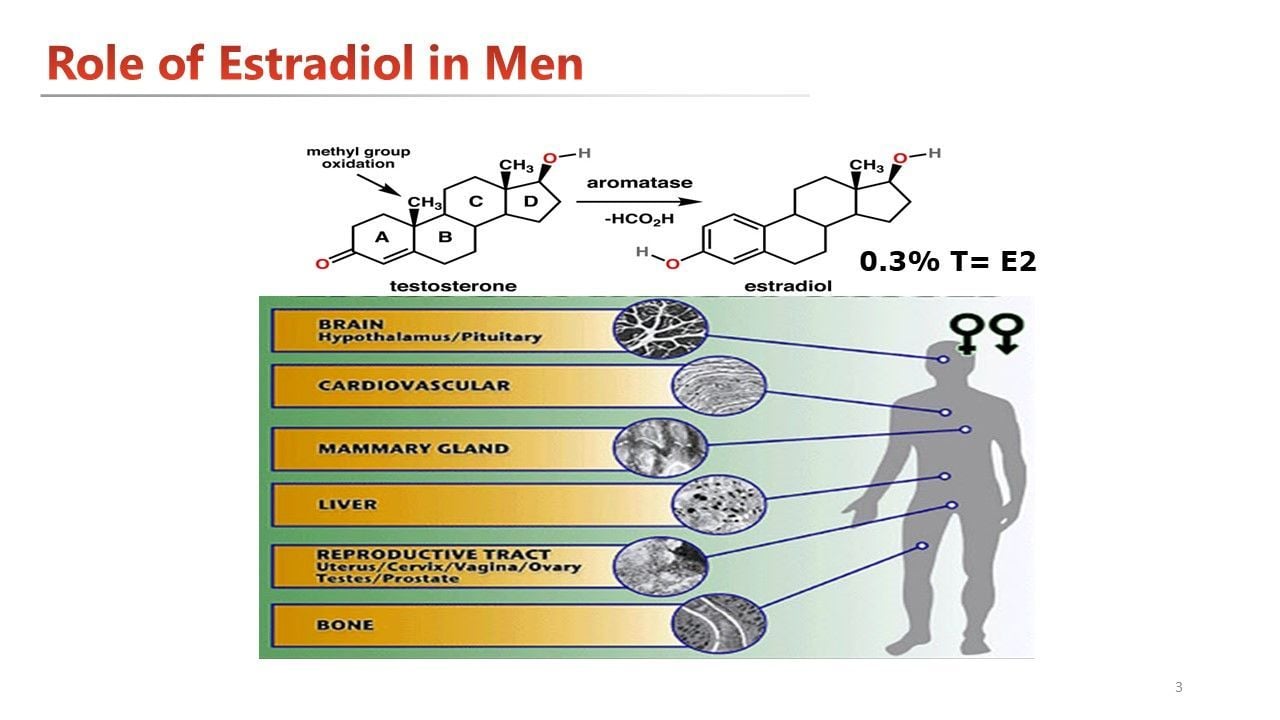
Learn MoreThis test measures the free (unbound to SHBG or albumin) estradiol and total sensitive estradiol in blood. The test is performed using liquid chromatography/mass spectrometry (LC/MS). NOTE: This test is a send out test to Quest's Nichols Institute San Juan Capistrano. Testing schedule is Mon and Wed. Reports are available within 4-14 days from the time the specimen is received at the send out testing lab. Test results may take up to 16 business days.
-
CMP Panel - Comprehensive Metabolic Panel$19
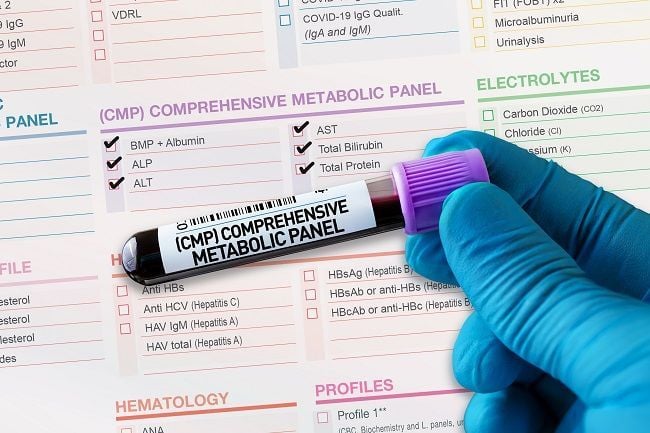
Learn MoreIncludes liver and kidney function, glucose and electrolytes
-
Zinc - Red Blood Cell (RBC) Content$171
Learn MoreThis test measures Zinc levels in red blood cells (RBC). Red blood cell (RBC) analysis is an invaluable method for assessing insufficiency or excess of elements that have important functions within cells or on blood cell membranes. It may be more accurate than testing Zinc in blood serum.
-
Aldosterone, serum$133
Learn MoreAldosterone (ALD) is one of a group of connected hormones. They form the renin-angiotensin-aldosterone system; this system is activated when there is a decrease in blood flow to your kidneys following a drop in blood volume or blood pressure
-
Glutathione Blood Test$202
Learn MoreBoth chronically low and high levels of glutathione in the body are indicative of potentially debilitating health problems. Glutathione level is a crucial marker for many diseases, both chronic and acute. Given the importance of this protein to human health; discovering your glutathione levels could be one more way to monitor health levels, immune function, and the potential risk of diseases that have been associated with chronically low or high levels of this essential peptide.
-
Vitamin D ( 25OHD )$43
Learn MoreVitamin D is essential for bone health and many metabolic processes. The body derives it from sunlight and food sources. Many people do not get enough sunlight or do not consume enough vitamin D rich foods. This test is important to determine if you need vitamin D supplementation or if your current supplementation is effective.
-
Homocysteine$41
Learn MoreElevated levels of homocysteine in the blood, known as hyperhomocysteinemia, have been linked to an increased risk of cardiovascular disease, including heart attack and stroke. High homocysteine levels may also be associated with an increased risk of certain other health conditions, such as osteoporosis and pregnancy complications.
-
Parathyroid Hormone PTH Blood Test$55
Learn MoreThe PTH test is used to help identify hyperparathyroidism, to find the cause of abnormal calcium levels, or to check the status of chronic kidney disease. PTH controls calcium and phosphorus levels in the blood.
-
Magnesium, Red Blood Cell (RBC) Content$69
Learn MoreA Magnesium RBC test can provide an earlier indicator of magnesium deficiency that a standard magnesium blood test. When levels are low, the body will pull magnesium from the cells to keep blood levels normal. In this case, a magnesium blood test may show normal levels while a magnesium RBC test will give a more accurate result.
-
Ferritin$20
Learn MoreFerritin is a protein that stores iron. Red blood cells need iron to form normally and carry oxygen around your body. Low levels of ferritin lead to iron deficiency anemia, which means you have too few red blood cells. High levels of ferritin can damage your joints, heart, liver, and pancreas.
-
Hair Loss Test Panel$420
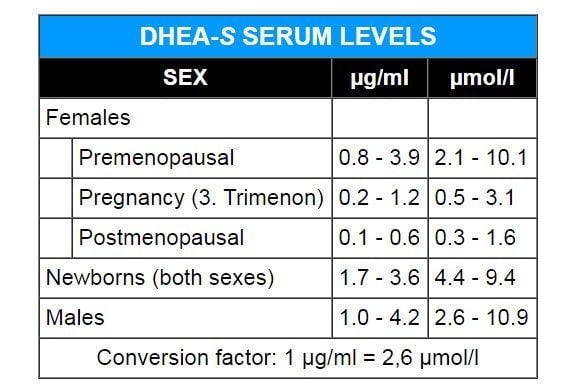
Learn MoreThis lab test panel includes main blood test makers involved in hair loss in women and men: Complete Blood Count (CBC)- Can detect potential low hemoglobin and infections that can lead to hair loss. Ferritin- Low ferritin, an iron storage protein, has been linked to hair loss and slow down of hair growth. Iron and Total Iron Capacity (TIBC)- Low iron anemia has been linked to hair loss. Hyperandrogenism: Excessive male hormones (androgens): Total Testosterone (LC/MS), Free Testosterone (Equilibrium Ultrafiltration), DHEA-S, Dihydrotestosterone (DHT) Hypothyroidism and Hyperthyroidism: Thyroid Stimulation Hormone (TSH), Free Triidothyronine (Free T3)