Search results for: 'her c testing'
-
Bodybuilder Blood Test Panel- Comprehensive$403
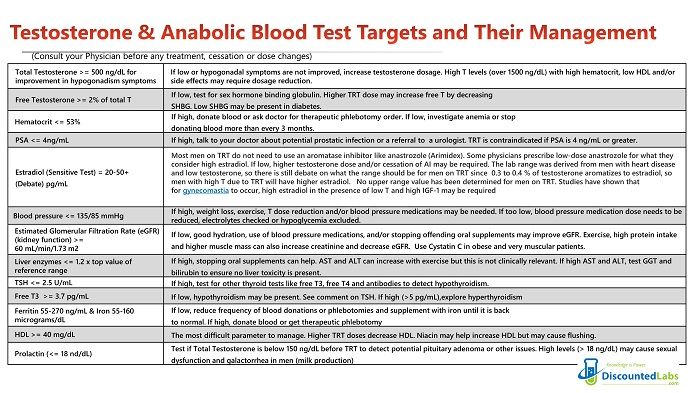
Learn MoreHere is a list of 14 carefully selected lab tests and panels that are essential in maintaining proper health while improving body composition and strength: Hematocrit, Lipid panel (LDL, HDL, triglycerides), Cystatin C kidney test, eGFR kidney test, GGT liver test, Total Testosterone (LC/MS), Free Testosterone (Equilibrium Ultrafiltration), Ultrasensitive Estradiol, Prolactin, DHT test (LC/MS), IGF-1 test (LC/MS), and ferritin. Fasting is required.
-
Bodybuilder Blood Test Panel- Basic$271
Learn MoreThis panel provides smart bodybuilders with information that can help minimize potential short- and long-term side effects and risks. This basic bodybuilder panel includes the following gold standard tests/panels: Cystatin C (the only accurate kidney function test for bodybuilders), hematocrit (blood viscosity factor), CMP (glucose, liver & kidney function, and electrolytes), total and free testosterone (LC/MS assay—no upper limit and no interference with anabolics), ultra-sensitive estradiol (the only accurate estradiol test for men), & lipid cholesterol panel. Fasting is required.
-
C-Peptide Test$63
Learn MorePatients with diabetes may get a C-peptide test as a means of distinguishing type 1 diabetes from type 2 diabetes or Maturity onset diabetes of the young (MODY). Measuring C-peptide can help to determine how much of their own natural insulin a person is producing as C-peptide is secreted in equimolar amounts to insulin. C-peptide levels are measured instead of insulin levels because C-peptide can assess a person's own insulin secretion even if they receive insulin injections, and because the liver metabolizes a large and variable amount of insulin secreted into the portal vein but does not metabolize C-peptide, meaning blood C-peptide may be a better measure of portal insulin secretion than insulin itself.
-
PCOS Test Panel$548
Learn MoreThis PCOS lab test panel includes: Lipid Panel, CBC, CMP, Prolactin, C-Peptide,TSH, Free T3, Fee T4, Sex Hormone binding Globulin, DHEA Sulfate, Estrogen, FSH,Insulin Fasting, A1c, LH, Progesterone, 17-OH Progesterone,Testosterone, Total (LC/MS) and Free (EquilibriumvDialysis), and Vitamin D.
Polycystic literally means "many cysts." In medical terms, it usually refers to a condition called polycystic ovary syndrome (PCOS). PCOS is a hormonal disorder commonly seen in women of childbearing age. The condition is characterized by the presence of multiple fluid-filled cysts in the ovaries. PCOS can cause symptoms like irregular periods, weight gain, acne, and excessive hair growth. Women with PCOS may also experience infertility, diabetes, and heart disease later in life. The exact cause of PCOS is not known, but genetics and insulin resistance are considered contributing factors. PCOS is diagnosed based on symptoms, physical examination, and blood tests.
-
Arthritis Test Panel$140
Learn MoreThis Arthritis Panel Includes Sedimentation Rate, Anti-Nuclear Antibody (ANA), Rheumatoid Factor, C-Reactive Protein (CRP), and Serum Uric Acid
-
Renal Kidney Function Panel Comprehensive$203
Learn MoreThis panel includes blood and urine tests commonly used by physicians to determine kidney dysfunction: Urinalysis, Comprehensive Metabolic Panel (CMP), Cystatin C and eGFR.
-
Inflammation Blood Test Panel$265
Learn MoreThis panel includes blood tests that are related to inflammation and certain diseases. Blood tests included are: CRP high sensitivity, CPK, LDH, Ferritin, Homocysteine and ESR
-
A1c- Hemoglobin (Hgb)$21
Learn MoreThe A1c test works by measuring the hemoglobin A1c level. Hemoglobin is stored in the red blood cells. When glucose levels are high, the sugar starts to combine with the hemoglobin. It takes the body 8 to 12 weeks to bring hemoglobin A1c levels back to normal. Therefore, if hemoglobin A1c levels are high, that means that there has been a high level of glucose in the blood over the last 2 to 3 months.
-
C-Reactive Protein- Quantitative (qCRP)$34
Learn MoreA C-Reactive Protein (CRP) Quantitative test is used to aid in the diagnosis of infections or diseases which cause inflammation. CRP is a protein produced by the liver. Higher than normal concentrations of CRP are often an indicator of infection or inflammation in the body. This test can help determine if an infection is present but not the source of the infection. Conditions that can cause elevated CRP levels include but are not limited to Sepsis, Pelvic Inflammatory Disease, Arthritis, Lupus, Vasculitis, and Inflammatory Bowel Disease.