Search results for: 'Glucose test'
-
Glucose Tolerance Test (GTT), 2 Specimens$85
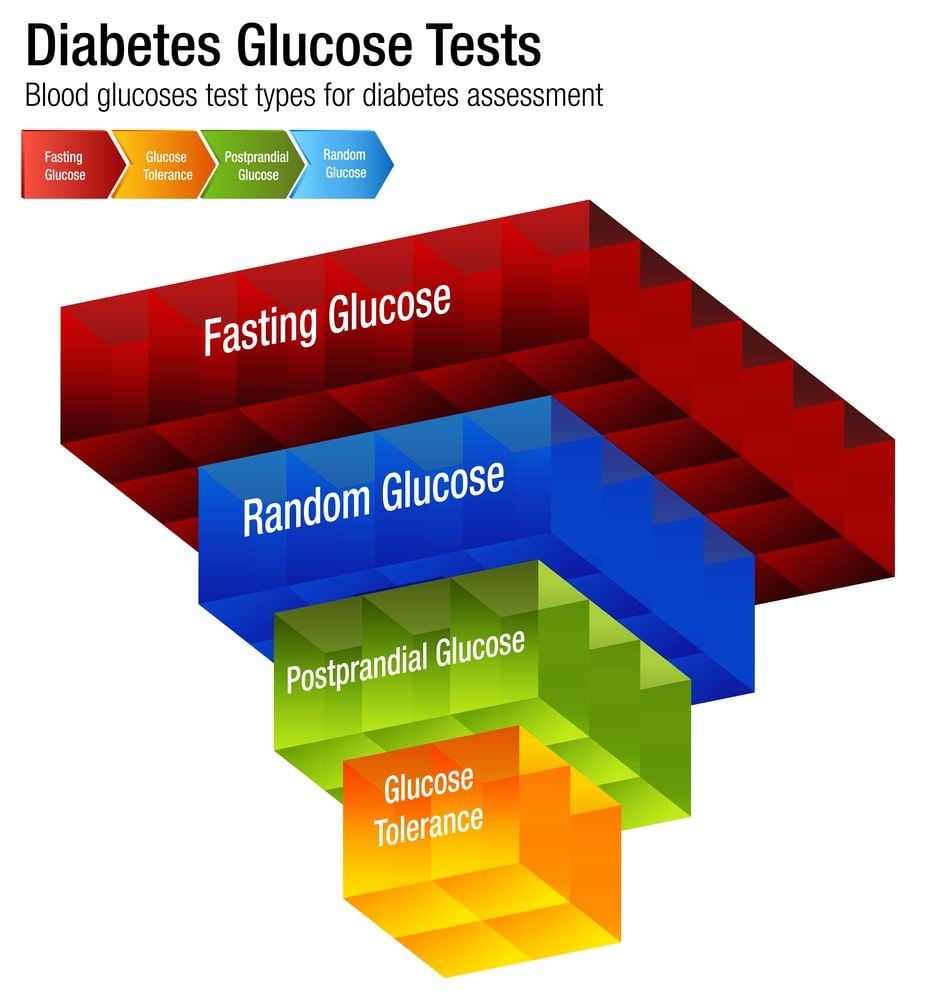
Learn MoreThe glucose tolerance test is a medical test in which glucose is given and blood samples taken afterward to determine how quickly it is cleared from the blood. The test is usually used to test for diabetes, insulin resistance, impaired beta cell function, and sometimes reactive hypoglycemia and acromegaly, or rarer disorders of carbohydrate metabolism. In the most commonly performed version of the test, an oral glucose tolerance test (OGTT), a standard dose of glucose is ingested by mouth and glucose blood levels are checked right after ingestion and then two hours later.
-
Diabetes Panel$226
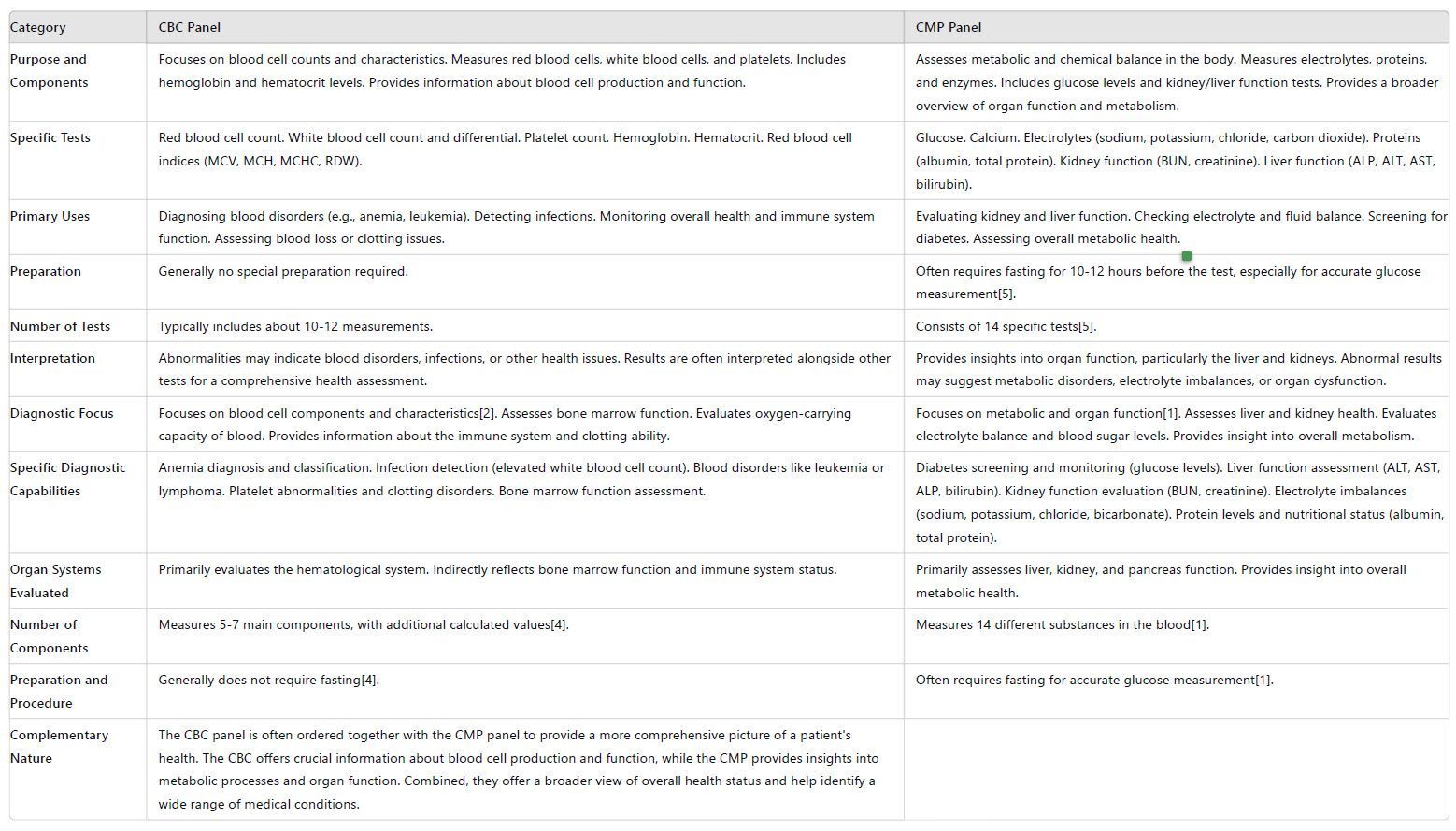
Learn MoreThis diabetes panel includes important tests usually prescribed for anyone living with Type 1 or Type 2 diabetes. It includes A1c, CMP, Urinialysis, Insulin, and Glucose Tolerance Test (GTT).
-
C-Peptide Test$63
Learn MorePatients with diabetes may get a C-peptide test as a means of distinguishing type 1 diabetes from type 2 diabetes or Maturity onset diabetes of the young (MODY). Measuring C-peptide can help to determine how much of their own natural insulin a person is producing as C-peptide is secreted in equimolar amounts to insulin. C-peptide levels are measured instead of insulin levels because C-peptide can assess a person's own insulin secretion even if they receive insulin injections, and because the liver metabolizes a large and variable amount of insulin secreted into the portal vein but does not metabolize C-peptide, meaning blood C-peptide may be a better measure of portal insulin secretion than insulin itself.
-
Urinalysis$15
Learn MoreThe Urinalysis test panel screens for a variety of conditions including urinary tract infections ( UTI ), urinary bladder disease, kidney disease and diabetes. Tests included: Color, Appearance, Specific gravity, pH, Protein, Glucose, Occult blood, Ketones, Leukocyte esterase, Nitrite, Bilirubin, Urobilinogen, and Microscopic examination of urine sediment
-
Renal Kidney Function Panel Comprehensive$203
Learn MoreThis panel includes blood and urine tests commonly used by physicians to determine kidney dysfunction: Urinalysis, Comprehensive Metabolic Panel (CMP), Cystatin C and eGFR.
-
A1c- Hemoglobin (Hgb)$21
Learn MoreThe A1c test works by measuring the hemoglobin A1c level. Hemoglobin is stored in the red blood cells. When glucose levels are high, the sugar starts to combine with the hemoglobin. It takes the body 8 to 12 weeks to bring hemoglobin A1c levels back to normal. Therefore, if hemoglobin A1c levels are high, that means that there has been a high level of glucose in the blood over the last 2 to 3 months.
-
Insulin Fasting Blood Test$26
Learn MoreThe fasting insulin test is a blood test that measures the level of insulin in your blood after you have fasted (not eaten or drunk anything except water) for at least 8 hours. Insulin is a hormone produced by the pancreas that helps regulate blood sugar levels. The fasting insulin test is often used to help diagnose conditions such as insulin resistance, prediabetes, and type 2 diabetes. It may also be ordered to monitor the effectiveness of treatment for these conditions. The test is usually done in the morning, after an overnight fast. The test results will be reported in units of insulin per liter of blood (U/L). It is important to note that the interpretation of a fasting insulin test may vary depending on the individual's medical history and other factors. A healthcare provider should be consulted to interpret the test results correctly.