Search results for: 'For man'
-
Glutathione Blood Test$202
Learn MoreBoth chronically low and high levels of glutathione in the body are indicative of potentially debilitating health problems. Glutathione level is a crucial marker for many diseases, both chronic and acute. Given the importance of this protein to human health; discovering your glutathione levels could be one more way to monitor health levels, immune function, and the potential risk of diseases that have been associated with chronically low or high levels of this essential peptide.
-
ALLERGY MOLD PANEL, COMPLETE$170
Learn MoreAllergy Mold Panel, Complete -
This panel tests for specific IgE antibodies to 6 molds that are commonly associated with allergies. Allergen-specific serum IgE testing is considered comparable to skin testing and may be preferred in some clinical situations. However, a positive test result only indicates that a patient is sensitized to the allergen of concern. Many IgE-sensitized individuals do not develop any symptoms when exposed to the allergen. Only a qualified medical professional who has conducted a thorough clinical evaluation should make an allergy diagnosis. These are the 6 molds tested:
Alternaria alternata (m6)
Alternaria is one of the most common outdoor molds and a frequent cause of mold allergies. When Alternaria spores are inhaled, they can trigger an allergic response in susceptible individuals. This can lead to symptoms like sneezing, runny nose, nasal congestion, and asthma exacerbations.1
Aspergillus fumigatus (m3)
Aspergillus is a genus of molds that can cause both allergic reactions and infections, especially in people with weakened immune systems. Aspergillus fumigatus is a common indoor mold that can trigger allergic rhinitis, asthma, and a rare condition called allergic bronchopulmonary aspergillosis (ABPA).2
Cladosporium herbarum (m2)
Cladosporium is one of the most common outdoor molds and a frequent cause of mold allergies. When breathed in by sensitive people, Cladosporium spores can cause allergic reactions like sneezing, nasal congestion, and asthma symptoms. 1
Mucor racemosus (m4)
Mucor is a genus of molds that can cause allergic reactions in some people. Inhaling Mucor spores may lead to symptoms like nasal congestion, sneezing, and asthma exacerbations in those with a Mucor allergy.
Penicillium notatum (m1)
Penicillium is a common indoor mold that can cause allergic reactions. When Penicillium spores are inhaled, they may trigger symptoms such as sneezing, runny nose, nasal congestion, and asthma in individuals with a Penicillium allergy.1
Stemphylium botryosum (m10)
Stemphylium is a genus of molds that can be an allergen for some people. Inhaling Stemphylium spores may lead to allergic rhinitis symptoms like sneezing, nasal congestion, and itchy/watery eyes in those with a Stemphylium allergy.In conclusion, when sensitive people inhale the spores from these common mold species, they can all cause allergic reactions. The allergic symptoms typically include nasal congestion, sneezing, runny nose, and asthma exacerbations. Avoiding exposure to these molds is key for managing mold allergies.12
-
Uric Acid (Serum)$38
Learn MoreUric acid is a product produced by the body after the purines in many foods undergo the digestive process and are broken down inside the body. After this breakdown process, the uric acid travels through the bloodstream into your kidneys and most is actually eliminated through the urinary tract via urination. However, there are instances where you may have an excess of uric acid and are unable to excrete the bulk of this substance through urination. This could lead to gout-related issues.
-
Thyroglobulin Antibody$48
Learn MoreThis test measures thyroglobulin antibodies commonly present in patients with Hashimoto's thyroiditis. Antibodies against the protein thyroglobulin can result in the destruction of thyroid cells. This destruction can lead to hypothyroidism. NOTE: Dietary supplements containing biotin may interfere in assays and may skew results to be either falsely high or falsely low. For patients receiving the recommended daily doses of biotin, draw samples at least 8 hours following the last biotin supplementation. For patients on mega doses of biotin supplements, draw samples at least 72 hours following the last biotin supplementation.
-
Phosphate (as Phosphorus )$20
Learn MorePhosphate (as Phosphorus) - Serum phosphorus (Phosphate) levels alone are of limited diagnostic value and should be correlated with serum calcium levels. An increased phosphorus with decreased calcium suggests either hypoparathyroidism or renal disease. A decreased phosphorus and an increased calcium suggests hyperparathyroidism or sarcoidosis. When both calcium and phosphorus are decreased diagnostic considerations include malabsorption, vitamin D deficiency and renal tubular acidosis. Increased phosphorus and normal or increased calcium suggests Milk-alkali syndrome or hypervitaminosis D.
-
17 Hydroxyprogesterone Test$178
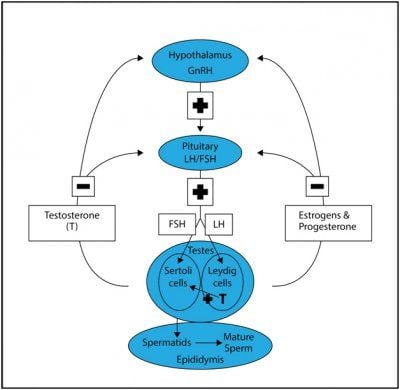
Learn MoreTo find out if sperm count is normalized in men using hCG plus TRT, several studies have found that 17OH-P blood level is correlated to intratesticular testosterone (ITT) required for the testicles to make sperm, so testing for this hormone could not only save time while optimizing HCG dose/frequency but also eliminate the need to perform testicular aspirations, a very difficult procedure to do. Sperm count does not stabilize until 6-8 weeks after starting hCG plus TRT, so knowing your 17OH-progesterone blood level can give you a quick way to determine if your hCG dose and frequency is adequate before your first follow-up semen analysis after 8 weeks.
-
Lipid (Cholesterol) Panel (LDL, HDL, Triglycerides)$16
Learn MoreLipid Panel: Evaluates the risk for developing atherosclerosis (arterial plaque) and coronary heart disease. This test includes: Total Cholesterol, Triglycerides ,HDL Cholesterol, LDL Cholesterol, Total Cholesterol/HDL Ratio. FASTING REQUIRED.
-
A1c- Hemoglobin (Hgb)$21
Learn MoreThe A1c test works by measuring the hemoglobin A1c level. Hemoglobin is stored in the red blood cells. When glucose levels are high, the sugar starts to combine with the hemoglobin. It takes the body 8 to 12 weeks to bring hemoglobin A1c levels back to normal. Therefore, if hemoglobin A1c levels are high, that means that there has been a high level of glucose in the blood over the last 2 to 3 months.
-
Creatine Kinase (CK) or CPK , Total Plus Isoenzymes Test$95
Learn MoreThis lab test panel includes Total CK (or CPK) and relative percentage of BB (CK-1), MB (CK-2), and MM (CK-3); the percentage of macro CK, if present. The CK or CPK isoenzyme test is used to diagnose myocardial infarction (MI). Three fractions normally may be found, each an isoenzyme: • MM is found in normal serum. • MB is the myocardial fraction associated with MI and occurs in certain other states. MB can be used in the estimation of infarct size.
-
Prothrombin with INR and Partial Thromboplastin Times (PTT)$37
Learn MoreThe tests are usually ordered for patients prior to surgery to ensure normal clotting ability. The PT and PTT Blood Tests are useful in the diagnosis of excessive, unexplained bleeding in patients who are not taking blood-thinning medications. These bleeding disorders include conditions such as nosebleeds, bruising, heavy menstrual periods, blood in the stool and/or urine, and bleeding gums, among others,
-
Water Retention Panel: Aldosterone/Plasma Renin Activity Ratio, LC/MS/MS$204
Learn MoreRenin, also known as angiotensinogenase, is an enzyme that the kidneys produce to regulate aldosterone production. It’s also essential in the renin–angiotensin aldosterone system (RAAS) which maintains your body’s fluid balance and blood pressure. Aldosterone is the primary of several endogenous members of the class of mineralocorticoids in humans. Aldosterone tends to promote sodium and water retention, and lower plasma postasium concentrations.
-
ApoB Test$50
Learn MoreApoB Blood Test has been reported to be a powerful indicator of Coronary Artery Disease (CAD). In some patients with CAD, APO B is elevated even in the presence of normal LDL cholesterol. Instead of non-HDL-C levels, ApoB levels may be used to check how well lipid treatment is working. Non-HDL-C is the total cholesterol concentration minus the amount of HDL. A healthcare practitioner may order both an lipoprotein a (associated with high-density lipoprotein (HDL), the "good" cholesterol) and an apo B to determine an apo B/apo A-I ratio. This ratio is sometimes used as an alternative to a total cholesterol/HDL ratio to evaluate risk for developing CVD.
-
C-Reactive Protein- High Sensitivity hs-CRP$43
Learn MoreThis high sensitivity CRP test is used along other blood markers to assess a patient's potential risk for cardiovascular disease. To illustrate the difference between CRP and hs-CRP, traditional testing measures CRP (quantitative) within the range of 10 to 1,000 mg/L, whereas hs-CRP values range from 0.5 to 10 mg/L. In simpler terms, hs-CRP measures trace amounts of CRP in the blood. Hs-CRP is the analyte of choice for cardiovascular risk assessment
-
PSA, Free: Total Ratio Reflex$82
Learn MoreNOTE: This test can only be purchased by men with suspect PSA over 4 mg/dL. Free PSA will not be provided for PSA under 4 ng/mL.
PSA circulates through the body in two ways; bound to other proteins or by itself. Unbound PSA is called free PSA. A free-PSA test will measure the percentage of unbound PSA while a PSA test is used to measure the total of free and bound PSA in the blood. The free PSA is a defective variant of normal PSA that can no longer bind to other proteins and so circulates in the blood in the free form. Although the reason why this is the case is poorly understood - patients with prostate cancer may have lower free PSA levels than those with a benign prostate condition.
-
CA125 Blood Test$35
Learn MoreThe CA 125 level can help doctors understand how to manage patients with ovarian cancer. However, the CA 125 blood test is not advised for women who are at average risk for ovarian cancer.
Women with ovarian cancer usually have high levels of CA 125. However, a high CA 125 level does not always mean you have ovarian cancer. Some women who have ovarian cancer may never show a high CA 125 level.
-
MTHFR Test- DNA mutation Analysis of Methylenetetrahydrofolate Reductase$800
Learn MoreQuest Diagnostics test code 17911 is for a DNA mutation analysis of Methylenetetrahydrofolate Reductase (MTHFR). The test determines if a patient has one, two, or no copies of either of the two mutations in the MTHFR gene, C677T and A1298C.
Changes in the methylenetetrahydrofolate reductase gene can lead to certain health conditions. One of them is hyperhomocysteinemia (high blood levels of homocysteine), which is a risk factor for cerebrovascular disease, cerebral vein thrombosis, coronary artery disease, myocardial infarction, and venous thrombosis. At least 40 mutations in the MTHFR gene have been identified in people with homocystinuria, a disorder in which the body is unable to process certain amino acids properly.
-
Iron and Total Iron Binding Capacity (TIBC)$24
Learn MoreThe serum iron test measures the amount of iron in your blood. The total iron-binding capacity (TIBC) test looks at how well the iron moves through your body.
-
-
Women Ultra Elite Panel$1,312
Learn MoreThis women's ultra elite lab test panel offers the best savings for men to determine their immune health, liver and kidney function, electrolytes, blood sugar, advanced lipid panel, thyroid function, inflammatory markers involved in heart disease, testosterone total and free, urinalysis to determine UTIs and kidney function, ultrasensitive estradiol, DHEA-S, IGF-1, DHT, Prolactin, Progesterone, Estrone, Total Estrogens, vitamins D and B12+ folate, and iron/ferritin to determine fatigue, anemia or increased risk of iron overload.Tests included are:
Complete Blood Count with Differential (CBC)
Comprehensive Metabolic Panel (CMP)
Hemoglobin A1c
Cardio IQ Advanced Lipid Panel
Urinalysis, Complete
TSH
Thyroid Free T3
Thyroid Free T4
Reverse T3
TPO Antibodies
Thyroglobulin Antibodies
Homocysteine
Cardio C-Reactive Protein
CPK
Estradiol, Ultra Sensitive
Testosterone Total & Free (LC/MS- No upper limit)
DHEA – S
Prolactin
DHT
IGF-1
Progesterone
Estrone
Total Estrogens
LH + FSH
Anti-Müllerian Hormone (AMH)
Vitamin D (25OHD)
Vitamin B-12
Folate
Ferritin
Iron & TIBC (Total Iron Binding Capacity)