Search results for: 'allow'
-
Ferritin$20
Learn MoreFerritin is a protein that stores iron. Red blood cells need iron to form normally and carry oxygen around your body. Low levels of ferritin lead to iron deficiency anemia, which means you have too few red blood cells. High levels of ferritin can damage your joints, heart, liver, and pancreas.
-
Rheumatoid Arthritis Factor Test$59
Learn MoreThe Rheumatoid Arthritis Factor is often evaluated in patients suspected of having any form of arthritis or destructive articular disease even though positive results can be due to other causes, and negative results do not rule out disease. But, in combination with signs and symptoms, it can play a role in both diagnosis and disease prognosis. It is part of the usual disease criteria of rheumatoid arthritis.
-
THYROID Stimulating Hormone-TSH$21
Learn MoreThe thyroid stimulating hormone (TSH) is produced and secreted by the pituitary gland and stimulates the thyroid to produce T3 and T4. When TSH is elevated, low thyroid function may be indicated. If TSH is low it is indicative of high thyroid function. A study found that TSH was suppressed in all subjects after food, so fasting may be suggested although it is not reqired by Quest. Free T4 and Free T4 values did not change significantly after eating.
-
Lipid (Cholesterol) Panel (LDL, HDL, Triglycerides)$16
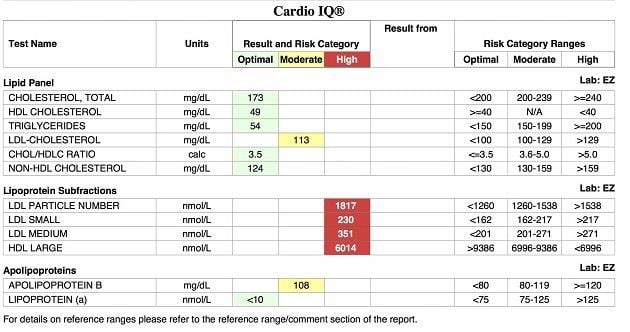
Learn MoreLipid Panel: Evaluates the risk for developing atherosclerosis (arterial plaque) and coronary heart disease. This test includes: Total Cholesterol, Triglycerides ,HDL Cholesterol, LDL Cholesterol, Total Cholesterol/HDL Ratio. FASTING REQUIRED.
-
CBC with Differential$16
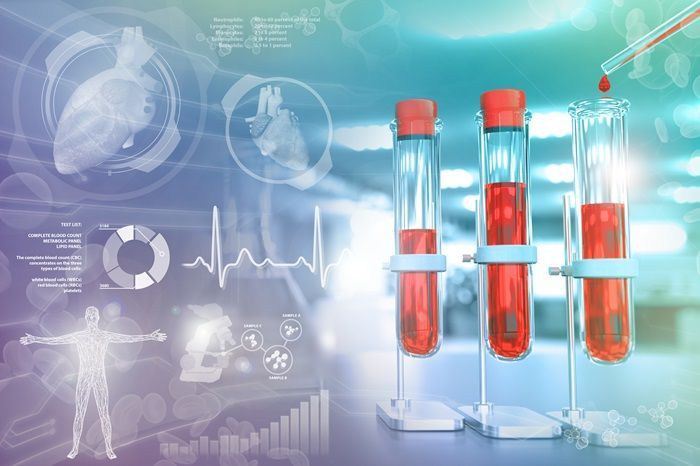
Learn MoreA complete blood count CBC with differential test panel measures several components of your blood including:Red blood cells, which carry oxygen, White blood cells, which fight infection, Hemoglobin, the oxygen-carrying protein in red blood cells, Hematocrit, the proportion of red blood cells to the fluid component in your blood (which correlated with blood thickness), and Platelets, which help with blood clotting. This is also called Complete Blood Count (CBC) with Differential and Platelets Blood Test
-
CMP Panel - Comprehensive Metabolic Panel$19
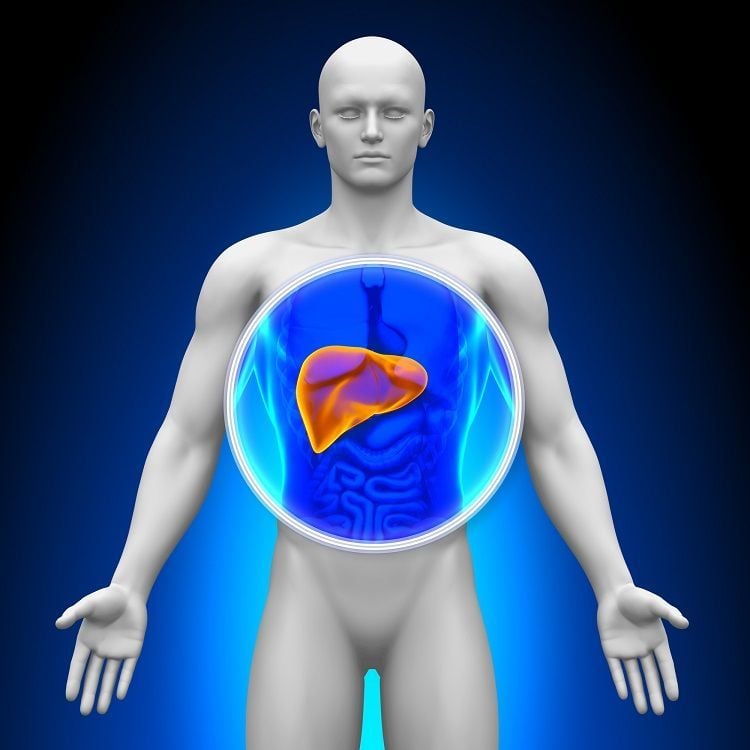
Learn MoreIncludes liver and kidney function, glucose and electrolytes
-
Water Retention Panel: Aldosterone/Plasma Renin Activity Ratio, LC/MS/MS$204
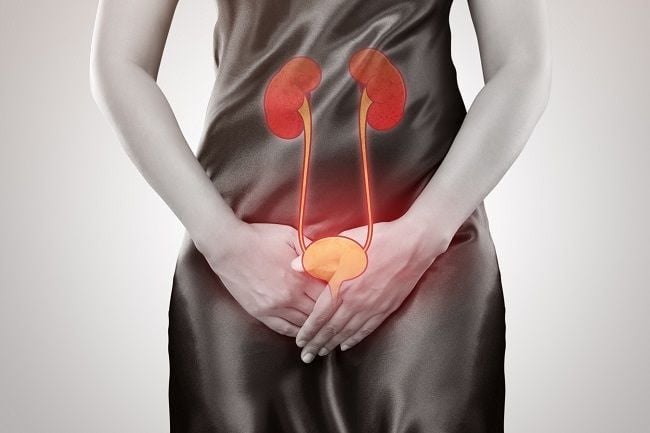
Learn MoreRenin, also known as angiotensinogenase, is an enzyme that the kidneys produce to regulate aldosterone production. It’s also essential in the renin–angiotensin aldosterone system (RAAS) which maintains your body’s fluid balance and blood pressure. Aldosterone is the primary of several endogenous members of the class of mineralocorticoids in humans. Aldosterone tends to promote sodium and water retention, and lower plasma postasium concentrations.
-
Immunoglobulin A Test$32
Learn MoreImmunoglobulin A (IgA) is a crucial antibody in the immune system, predominantly found in mucous membranes of the respiratory and gastrointestinal tracts. It helps protect against infections by neutralizing pathogens before they can cause harm. Testing IgA levels can provide insights into immune health, indicating potential issues such as chronic infections, autoimmune diseases, or immunodeficiency disorders. Elevated or decreased IgA levels can signal various health conditions, making this test valuable for diagnosing and managing immune-related issues. For those experiencing frequent infections or gastrointestinal issues, an IgA test can be an essential diagnostic tool.
-
PSA, Free: Total Ratio Reflex$82
Learn MoreNOTE: This test can only be purchased by men with suspect PSA over 4 mg/dL. Free PSA will not be provided for PSA under 4 ng/mL.
PSA circulates through the body in two ways; bound to other proteins or by itself. Unbound PSA is called free PSA. A free-PSA test will measure the percentage of unbound PSA while a PSA test is used to measure the total of free and bound PSA in the blood. The free PSA is a defective variant of normal PSA that can no longer bind to other proteins and so circulates in the blood in the free form. Although the reason why this is the case is poorly understood - patients with prostate cancer may have lower free PSA levels than those with a benign prostate condition.