Search results for: 'General health panel'
-
Hepatic Function Panel$82
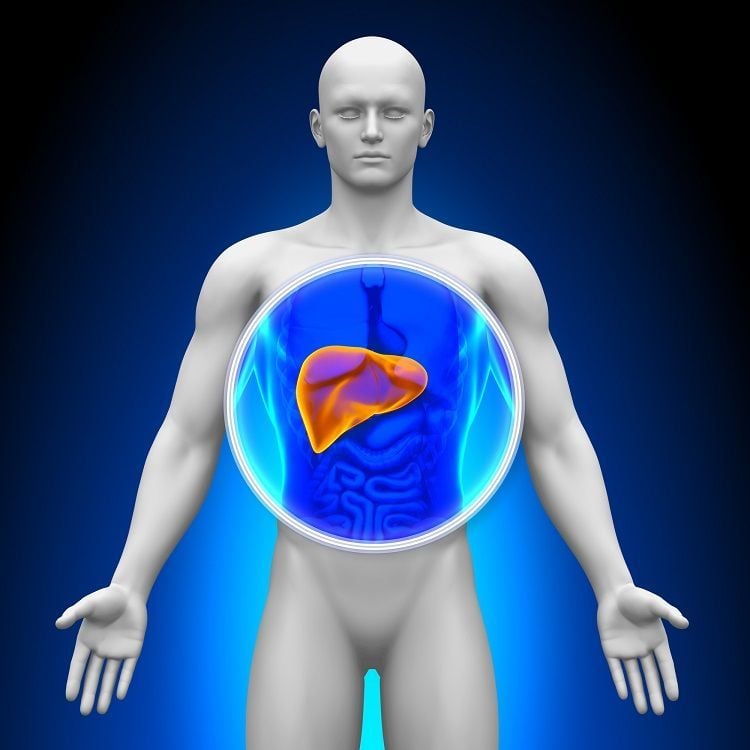
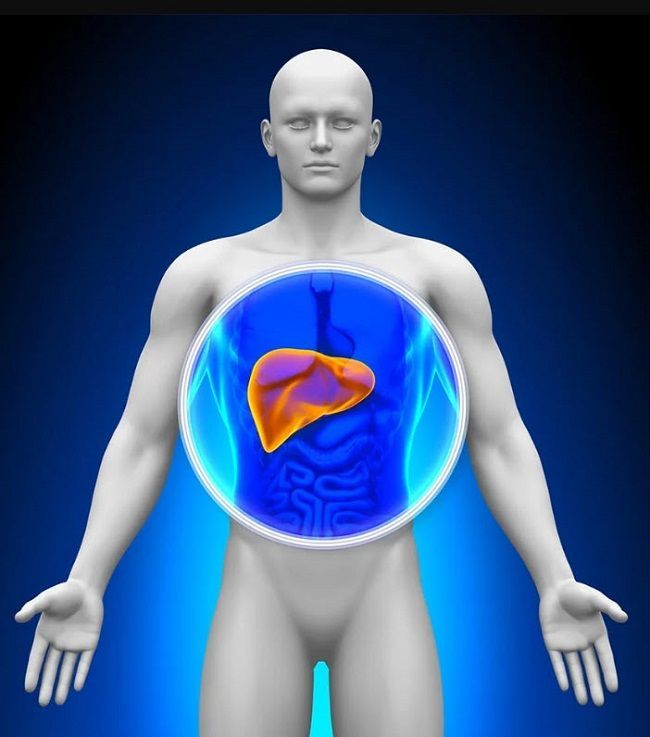
Learn MoreA hepatic panel is a blood test that helps doctors check for liver injury, infection, or disease. Liver function panels also can check for side effects in the liver from some medicines. This lab test panel measures the blood levels of total protein, albumin, bilirubin, AST, ALT, ALP, and GGT enzymes. High or low levels may mean that liver damage or disease is present.
-
Male Hormone Test Panel$313
Learn MoreThis affordable male hormone panel includes the most accurate assays used as gold standard for measuring:
- Total Testosterone (Liquid chromatography/MS-MS)
- Free Testosterone (Equilibrium Ultrafiltration)
- Sex Hormone-Binding Globulin (SHBG)
- Estradiol, Ultra Sensitive (LC/MS-MS)
- DHT level (LC/MS)
- Prolactin
- Dehydroepiandrosterone sulphate (DHEA-S)
-
Renal Kidney Function Panel Comprehensive$203
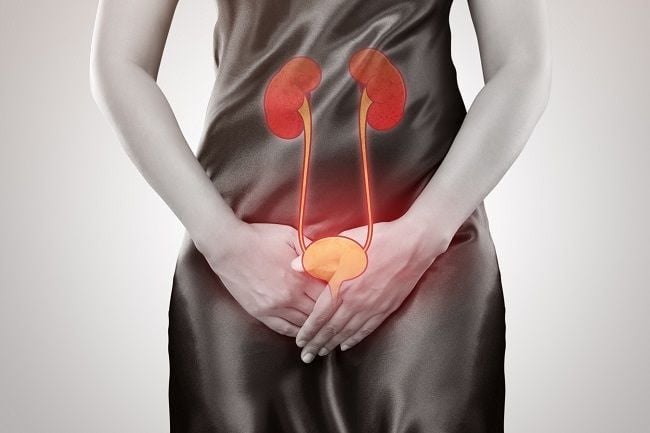
Learn MoreThis panel includes blood and urine tests commonly used by physicians to determine kidney dysfunction: Urinalysis, Comprehensive Metabolic Panel (CMP), Cystatin C and eGFR.
-
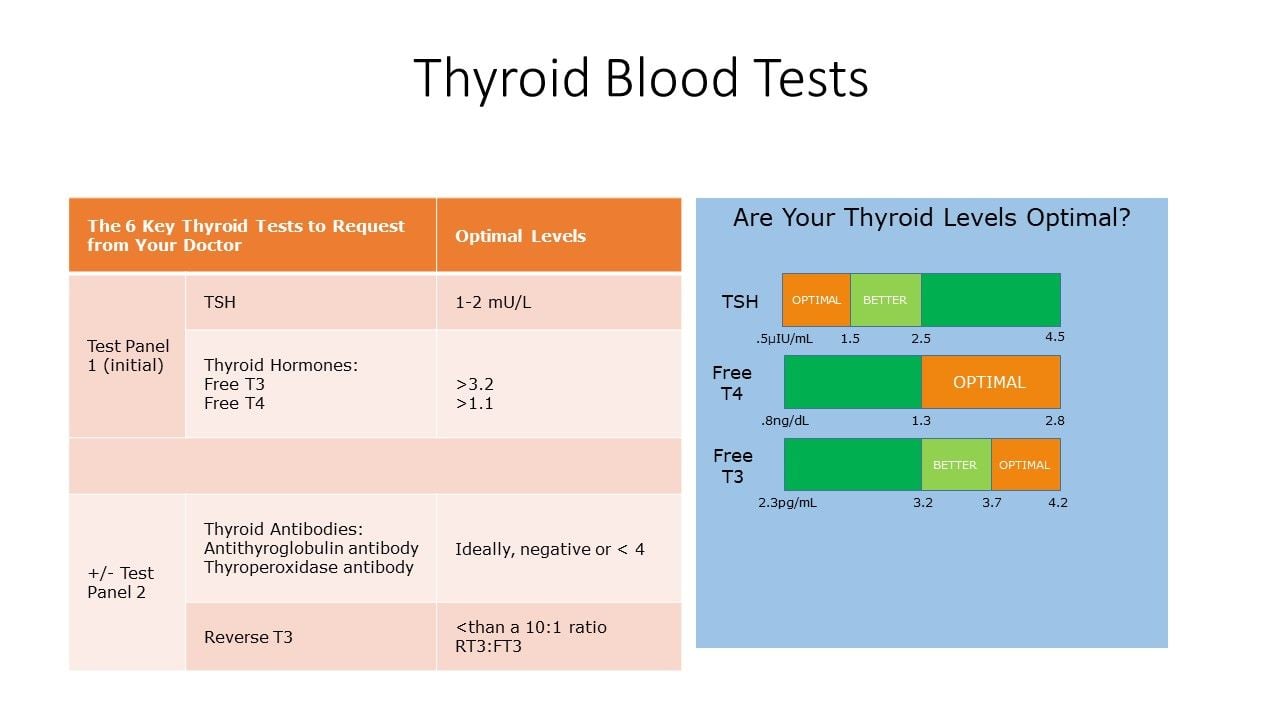
Wellness by Design Female Panel$1,133
Learn MoreComprehensive and All-Inclusive Lab Test Panel for clients of The Wellness By Design Project. The panel includes: Testosterone Free with Total, Estrogens Total, Estrone, Estradiol, DHEA-S, Progesterone, Pregnenolone, Dihydrotestosterone (DHT), FSH/LH, Cortisol, Prolactin, TSH, Free T3, Free T4, Reverse T3, Anti TPO, AntiTG, C-reactive protein (high sensitivity), Homocysteine, Apolipoprotein B, Insulin-like Growth Factor 1 (IGF-1), Insulin, Sex Hormone Binding Globulin (SHBG), Vitamin D 25-hydroxy, Complete Metabolic Panel, Gamma Glutamyl Transferase (GGT), Lipid Profile, Complete Blood Count (CBC), Hemoglobin A1C (HbA1C), Magnesium (serum), Phosphorus (serum), LDH, Uric Acid, Iron Serum, Total Iron Binding Capacity (TIBC), Iron Saturation, Ferritin, and Fibrinogen activity.
-
Women's Hormone Panel$285
Learn MoreThis hormone panel for women contains all basic hormones (except for LH and FSH, which you can add to your cart separately): DHEA-S, Estradiol (CLIA assay), Progesterone, Total Testosterone, LC/MS, Free Testosterone by Equilibrium Ultrafiltration, TSH,Free T3 and Free T4
-
Fertility Panel for Women$390
Learn MoreThis fertility panel for women contains the main hormones tested (most using the most sensitive liquid chromatography/mass spectrometry) by reproductive endocrinologists to assess the potential for a woman to become pregnant. Tests included are: LH, FSH, Anti-Müllerian Hormone (AMH), estradiol (LC/MS), progesterone (LC/MS), TSH and testosterone (LC/MS).
-
Vitamin and Mineral Panel$290
Learn MoreThis comprehensive panel includes key vitamins and minerals that affect quality of life and survival. Test included are: Vitamin D, Vitamin B-12, Folate (Folic Acid), Magnesium in Red Blood Cells, and Zinc in Red Blood Cells.
-
Osteoporosis Lab Test Panel$310
Learn MoreThis osteoporosis panel includes:
- Serum total calcium, albumin (to calculate albumin adjusted calcium) and phosphorus as part of a CMP panel to detect conditions associated with hypercalcemia such as primary hyperparathyroidism or hypocalcemia and consequent secondary hyperparathyroidism causing bone loss
- Serum creatinine and estimated glomerular filtration rate (GFR) as part of the CMP panel are useful to detect renal failure which can affect bone health.
- Serum alkaline phosphatase (ALP) as part of a CMP panel. ALP measurement is useful to detect conditions including Paget's disease, metastatic bone disease and osteomalacia, etc.
- Vitamin D nutrition should be determined by measuring serum 25-hydroxy vitamin D [25(OH)D]. Although there is controversy about the optimum level of 25(OH)D for bone health; while 50 nmol/L is considered acceptable
- Parathyroid Hormone (PTH) measurement would be required if serum calcium is abnormal, to help investigate the cause of the calcium abnormality.
- Ultra-sensitive Estradiol. Low estradiol in men and women has been linked to bone loss.
- Phosphorus. An increased phosphorus with decreased calcium suggests either hypoparathyroidism or renal disease. A decreased phosphorus and an increased calcium suggests hyperparathyroidism or sarcoidosis. When both calcium and phosphorus are decreased diagnostic considerations include malabsorption, vitamin D deficiency and renal tubular acidosis. Increased phosphorus and normal or increased calcium suggests Milk-alkali syndrome or hypervitaminosis D.