Search results for: 'consult'
-
Insulin Fasting Blood Test$26
Learn MoreThe fasting insulin test is a blood test that measures the level of insulin in your blood after you have fasted (not eaten or drunk anything except water) for at least 8 hours. Insulin is a hormone produced by the pancreas that helps regulate blood sugar levels. The fasting insulin test is often used to help diagnose conditions such as insulin resistance, prediabetes, and type 2 diabetes. It may also be ordered to monitor the effectiveness of treatment for these conditions. The test is usually done in the morning, after an overnight fast. The test results will be reported in units of insulin per liter of blood (U/L). It is important to note that the interpretation of a fasting insulin test may vary depending on the individual's medical history and other factors. A healthcare provider should be consulted to interpret the test results correctly.
-
Hematocrit HCT Blood Test$11
Learn MoreThe volume measurement, or hct blood test, is the proportion of blood that the red blood cells take up. Hemoglobin, on the other hand, is a density or concentration measurement and is expressed in grams per liter or deciliter. (Hemoglobin is, if you will recall from your high school biology, the iron-based protein that transports oxygen.) RBC is a simple count and is usually expressed as the number of million red blood cells that you have per microliter. Usually, hematocrit is three times the amount of hemoglobin.
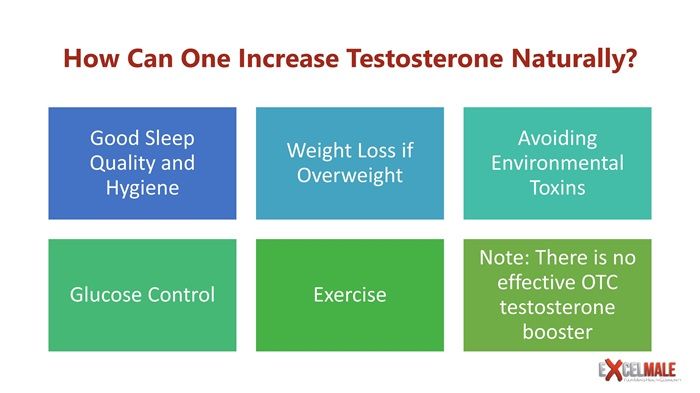
Testosterone replacement therapy (TRT) increases hematocrit in most men. Read more about how to decrease hematocrit.
NOTE: Hematocrit is also part of the CBC panel, so there is no need to order separately if your order already includes CBC.
-
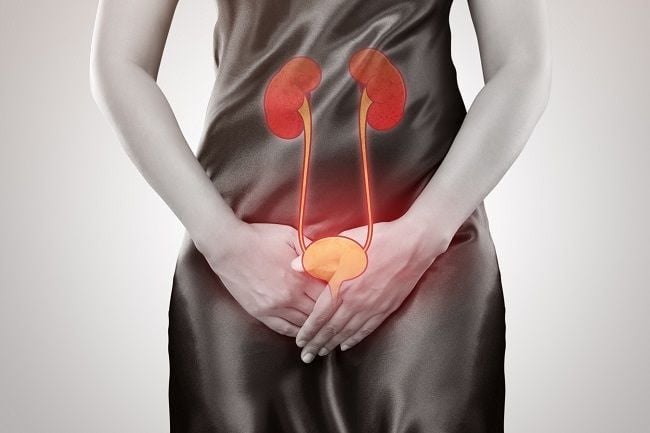
Urinalysis, Complete, with Reflex to Culture$21
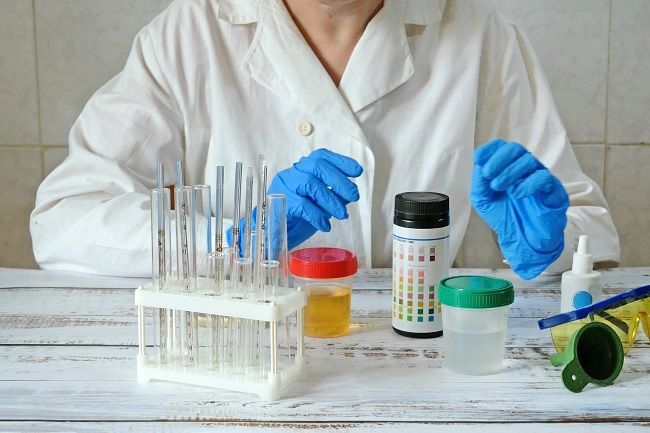
Learn MoreUrinalysis with reflex to culture testing is done when the first urinalysis results are not normal or when doctors think the person might have a urinary tract infection, kidney disease, or another problem with their urinary tract. Several conditions may necessitate urinalysis with reflex testing. Urinary tract infections (UTIs) are a common reason for reflex testing, as it helps healthcare providers identify the specific bacteria causing the infection and determine the most effective antibiotic treatment. Kidney diseases, such as glomerulonephritis or renal tubular acidosis, may also require reflex testing for accurate diagnosis and management. Conditions like hematuria (blood in urine) or proteinuria (protein in urine) warrant further investigation, as they may indicate underlying kidney disease or urinary tract neoplasms. Pregnant women may undergo reflex testing to monitor for gestational diabetes and preeclampsia. NOTE: You need to visit the lab near you to submit two separate specimens in containers provided by the lab. NOTE: The culture will ONLY be performed if any of the following Urinalysis results are applicable:
•Presence of Leukocyte esterase alone
•Presence of WBCs (>5/hpf) alone
•Presence of Yeast
•Presence of Bacteria and the presence of WBCs (>5/hpf) or Leukocyte esterase
•Presence of Nitrite and the presence of WBCs (>5/hpf) or Leukocyte esterase -
Alkaline Phosphatase Isoenzymes$99
Learn MoreAlkaline Phosphatase (AP) The isoenzymes test, a diagnostic tool, measures the various forms of alkaline phosphatase (ALP) enzyme that are present in the blood. The body has the enzyme ALP in a variety of tissues, with the liver, bones, kidneys, and intestines having the largest quantities. Isoleucines are the slightly different forms of ALP that various tissues produce.
-
Iron and Total Iron Binding Capacity (TIBC)$24
Learn MoreThe serum iron test measures the amount of iron in your blood. The total iron-binding capacity (TIBC) test looks at how well the iron moves through your body.
-
Cystatin C test with EGFR$298
Learn MoreThe cystatin C test (which also includes estimated creatinine clearance eGFR) can be done along with the creatinine or creatinine clearance test in cases where those tests aren’t appropriate, such as patients taking creatine supplements for bodybuilding. These supplements can increase creatinine and decrease creatinine clearance, which can alarm doctors who fear kidney dysfunction. This creatinine increase is not clinically relevant, but running a Cystatin C test can give physicians reassurance and allow the patient to keep taking that effective bodybuilding supplement.
-
PROTEIN, GLOBULIN & ALBUMIN$17
Learn MoreProtein, Gloublin and Albumin - The major proteins seen in the serum are albumin and globulin-the latter being primarily alpha 1 and alpha 2 globulin, beta globulin and gamma globulin. Albumin accounts for more than 50% of the total serum proteins. The albumin to globulin (A/G) ratio has been used as an index of disease state, however, it is not a specific marker for disease because it does not indicate which specific proteins are altered. The normal A/G ratio is 0.8-2.0. The A/G ratio can be decreased in response to a low albumin or to elevated globulins. Total globulins may be increased in some chronic inflammatory diseases (TB, syphilis) multiple myeloma, collagen disease, and rheumatoid arthritis. Decreased levels are seen in hepatic dysfunction, renal disease and various neoplasms.
-
ALLERGY MOLD PANEL, COMPLETE$170
Learn MoreAllergy Mold Panel, Complete -
This panel tests for specific IgE antibodies to 6 molds that are commonly associated with allergies. Allergen-specific serum IgE testing is considered comparable to skin testing and may be preferred in some clinical situations. However, a positive test result only indicates that a patient is sensitized to the allergen of concern. Many IgE-sensitized individuals do not develop any symptoms when exposed to the allergen. Only a qualified medical professional who has conducted a thorough clinical evaluation should make an allergy diagnosis. These are the 6 molds tested:
Alternaria alternata (m6)
Alternaria is one of the most common outdoor molds and a frequent cause of mold allergies. When Alternaria spores are inhaled, they can trigger an allergic response in susceptible individuals. This can lead to symptoms like sneezing, runny nose, nasal congestion, and asthma exacerbations.1
Aspergillus fumigatus (m3)
Aspergillus is a genus of molds that can cause both allergic reactions and infections, especially in people with weakened immune systems. Aspergillus fumigatus is a common indoor mold that can trigger allergic rhinitis, asthma, and a rare condition called allergic bronchopulmonary aspergillosis (ABPA).2
Cladosporium herbarum (m2)
Cladosporium is one of the most common outdoor molds and a frequent cause of mold allergies. When breathed in by sensitive people, Cladosporium spores can cause allergic reactions like sneezing, nasal congestion, and asthma symptoms. 1
Mucor racemosus (m4)
Mucor is a genus of molds that can cause allergic reactions in some people. Inhaling Mucor spores may lead to symptoms like nasal congestion, sneezing, and asthma exacerbations in those with a Mucor allergy.
Penicillium notatum (m1)
Penicillium is a common indoor mold that can cause allergic reactions. When Penicillium spores are inhaled, they may trigger symptoms such as sneezing, runny nose, nasal congestion, and asthma in individuals with a Penicillium allergy.1
Stemphylium botryosum (m10)
Stemphylium is a genus of molds that can be an allergen for some people. Inhaling Stemphylium spores may lead to allergic rhinitis symptoms like sneezing, nasal congestion, and itchy/watery eyes in those with a Stemphylium allergy.In conclusion, when sensitive people inhale the spores from these common mold species, they can all cause allergic reactions. The allergic symptoms typically include nasal congestion, sneezing, runny nose, and asthma exacerbations. Avoiding exposure to these molds is key for managing mold allergies.12
-
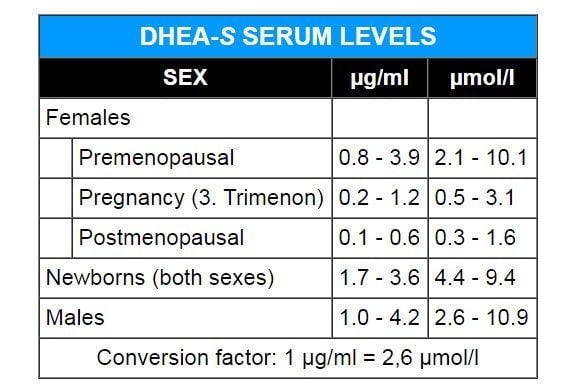
DHEA-Sulfate$43
Learn MoreThe adrenal gland produces a hormone known as dehydroepiandrosterone (DHEA). It is also made in the brain. DHEA leads to the production of androgens and estrogens (male and female sex hormones). DHEA levels in the body begin to decrease after age 30. Lower DHEA levels are found in people with hormonal disorders, HIV/AIDS, Alzheimer's disease, heart disease, depression, diabetes, inflammation, immune disorders, and osteoporosis. Corticosteroids, birth control taken by mouth, and agents that treat psychiatric disorders may reduce DHEA levels.
-
Vitamin B12$58
Learn MoreVitamin B-12 is an essential vitamin. Low blood levels of B12 can cause: Anemia and pernicious anemia, loss of balance , numbness or tingling in the arms and legs, and weakness
-
Estrone$106
Learn MoreEstrone (E1) is one of the three estrogens, which also include estriol and estradiol. Estrone is the least abundant of the three and is considered a pro-hormone of estradiol.
-
Electrolyte Panel$67
Learn MoreThe electrolyte panel includes: Carbon dioxide, chloride, potassium, and sodium
-
Lipid (Cholesterol) Panel (LDL, HDL, Triglycerides)$16
Learn MoreLipid Panel: Evaluates the risk for developing atherosclerosis (arterial plaque) and coronary heart disease. This test includes: Total Cholesterol, Triglycerides ,HDL Cholesterol, LDL Cholesterol, Total Cholesterol/HDL Ratio. FASTING REQUIRED.
-
A1c- Hemoglobin (Hgb)$21
Learn MoreThe A1c test works by measuring the hemoglobin A1c level. Hemoglobin is stored in the red blood cells. When glucose levels are high, the sugar starts to combine with the hemoglobin. It takes the body 8 to 12 weeks to bring hemoglobin A1c levels back to normal. Therefore, if hemoglobin A1c levels are high, that means that there has been a high level of glucose in the blood over the last 2 to 3 months.
-
Heavy Metals Test Profile , Blood: Arsenic, Lead and Mercury$282
Learn MoreThis panel measures the blood levels of arsenic, lead, and mercury.
-
Glutathione Blood Test$202
Learn MoreBoth chronically low and high levels of glutathione in the body are indicative of potentially debilitating health problems. Glutathione level is a crucial marker for many diseases, both chronic and acute. Given the importance of this protein to human health; discovering your glutathione levels could be one more way to monitor health levels, immune function, and the potential risk of diseases that have been associated with chronically low or high levels of this essential peptide.
-
Vitamin D ( 25OHD )$43
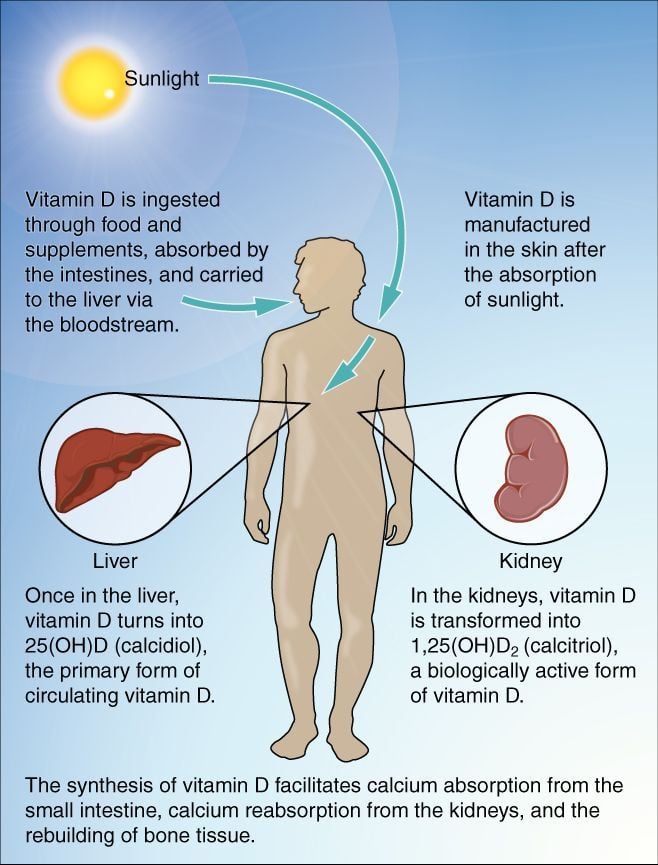
Learn MoreVitamin D is essential for bone health and many metabolic processes. The body derives it from sunlight and food sources. Many people do not get enough sunlight or do not consume enough vitamin D rich foods. This test is important to determine if you need vitamin D supplementation or if your current supplementation is effective.
-
Mononucleosis Test: Epstein-Barr Virus (EBV) Antibodies Panel$379
Learn MoreEpstein-Barr (EB) virus is a herpes group virus that is ubiquitous. It leads to infectious mononucleosis and may play a role in the development of Burkitt lymphoma, some nasopharyngeal carcinomas, and a few rare genetic lymphoproliferative disorders. Antibodies to early antigen, IgM and IgG antibodies to viral capsid antigen (VCA), and antibodies to Epstein-Barr nuclear antigen (EBNA) are all part of the EBV test.
-
4-Tube Cortisol-Salivary$199
Learn MoreThis test for adrenal insufficiency includes 4 measurements of your salivary Cortisol level during one day. Cortisol, also known as the "stress hormone" can be either too high or too low which may be a sign of adrenal distress.
-
Prothrombin with INR and Partial Thromboplastin Times (PTT)$37
Learn MoreThe tests are usually ordered for patients prior to surgery to ensure normal clotting ability. The PT and PTT Blood Tests are useful in the diagnosis of excessive, unexplained bleeding in patients who are not taking blood-thinning medications. These bleeding disorders include conditions such as nosebleeds, bruising, heavy menstrual periods, blood in the stool and/or urine, and bleeding gums, among others,
-
Water Retention Panel: Aldosterone/Plasma Renin Activity Ratio, LC/MS/MS$204
Learn MoreRenin, also known as angiotensinogenase, is an enzyme that the kidneys produce to regulate aldosterone production. It’s also essential in the renin–angiotensin aldosterone system (RAAS) which maintains your body’s fluid balance and blood pressure. Aldosterone is the primary of several endogenous members of the class of mineralocorticoids in humans. Aldosterone tends to promote sodium and water retention, and lower plasma postasium concentrations.
-
Pregnenolone$126
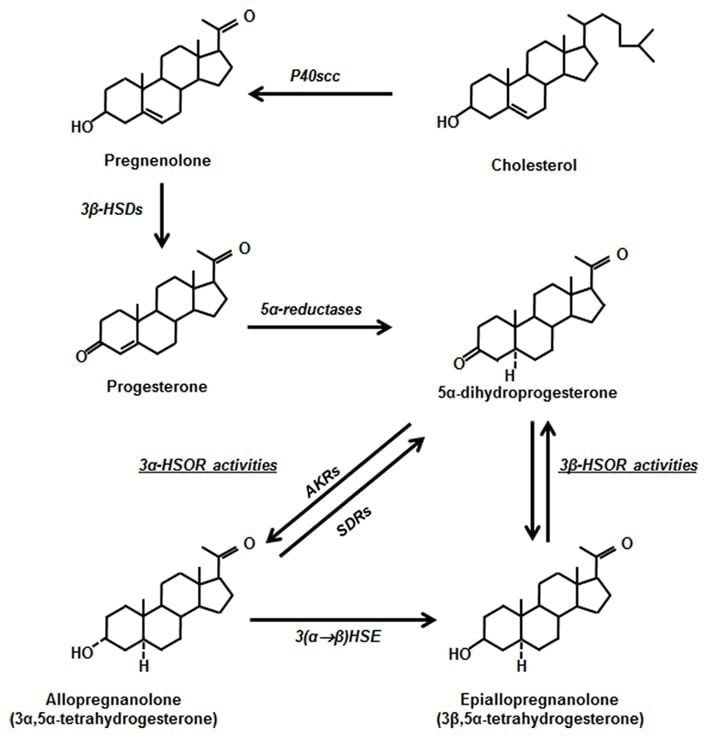
Learn MorePregnenolone is known as the mother hormone. All other steroids including testosterone and estrogen are derived from this important hormone. For this reason, optimal blood levels of pregnenolone are critical for a healthy hormone balance. This test uses liquid chromatography/mass spectrometry, the most accurate assay for hormones.
-
Testosterone, Free (Equilibrium Dialysis) and Total, MS$49
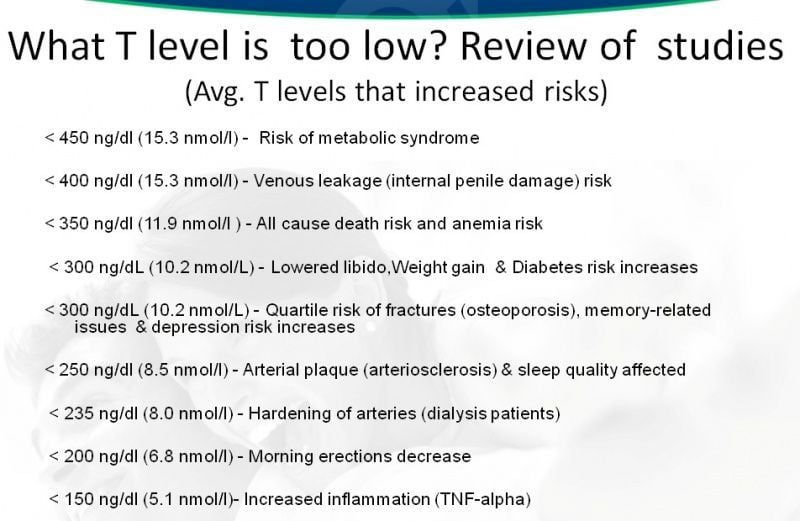
Learn MoreTHIS IS THE MOST AFFORDABLE TESTOSTERONE TEST IN THE U.S. The most accurate way to measure total testosterone is with liquid chromatography/mass spectrometry. This panel also shows free testosterone percent by equilibrium dialysis and free testosterone calculated from percent free T. This test is more accurate for low and high testosterone blood levels (for men who expect high testosterone blood levels over 1,500 ng/dL, women, and children who usually have low T levels). It has no interferences with supplements or anabolics. Note: Results may take 5-7 business days. For a faster turnaround, choose this test instead: Testosterone, Free, Bioavailable and Total (With Lower & Upper Limit) plus SHBG
-
C-Reactive Protein- High Sensitivity hs-CRP$43
Learn MoreThis high sensitivity CRP test is used along other blood markers to assess a patient's potential risk for cardiovascular disease. To illustrate the difference between CRP and hs-CRP, traditional testing measures CRP (quantitative) within the range of 10 to 1,000 mg/L, whereas hs-CRP values range from 0.5 to 10 mg/L. In simpler terms, hs-CRP measures trace amounts of CRP in the blood. Hs-CRP is the analyte of choice for cardiovascular risk assessment
-
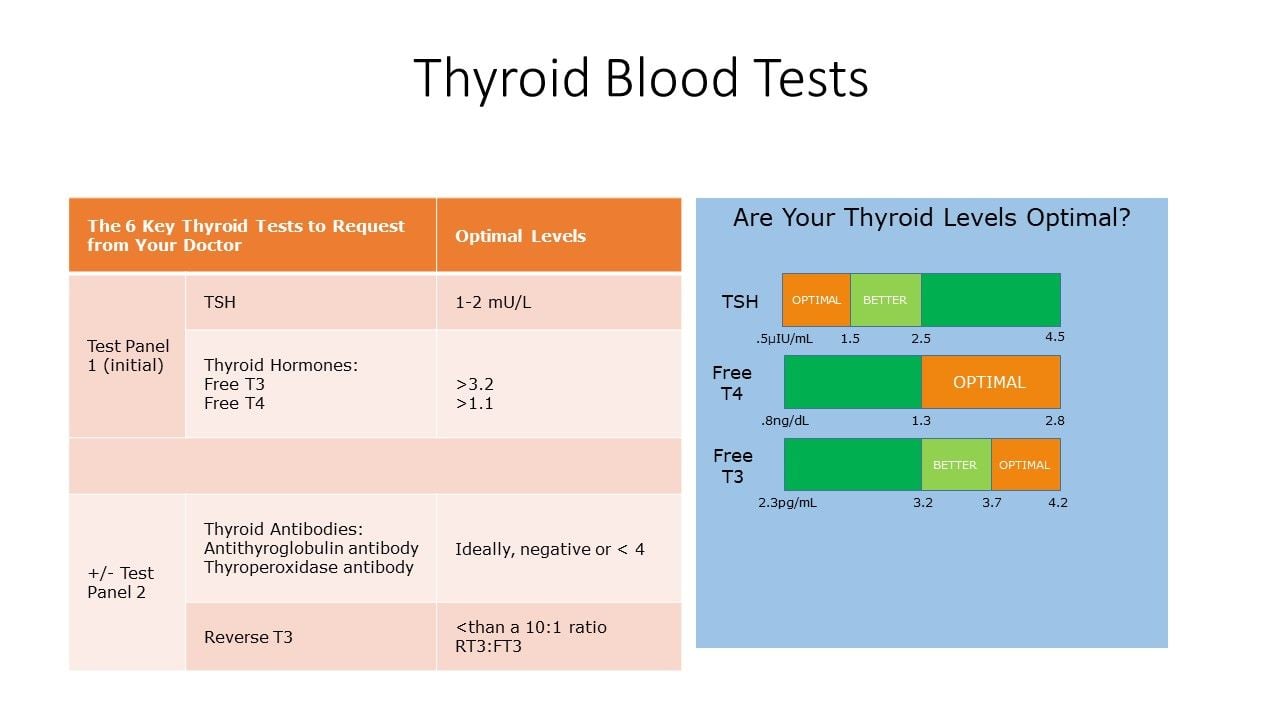
THYROID Peroxidase Antibodies - TPO Antibodies$36
Learn MoreThe determination of TPO antibody levels is the most sensitive test for detecting autoimmune thyroid disease (eg, Hashimoto's thyroiditis, idiopathic myxedema, and Graves disease) and detectable concentrations of anti-TPO antibodies are observed in most patients with these disorders. The highest TPO antibody levels are observed in patients suffering from Hashimoto thyroiditis. In this disease, the prevalence of TPO antibodies is about 90% of cases, confirming the autoimmune origin of the disease. These autoantibodies also frequently occur (60%–80%) in the course of Graves disease.
-
Autoimmune Antibodies: ANA Screen, IFA, with Reflex to Titer and Pattern$30
Learn MoreThis test measures ANA Screen, IFA, with Reflex to Titer and Pattern - Several rheumatic diseases are linked to antinuclear antibodies. These include Systemic Lupus Erythematous (SLE), mixed connective tissue disease, Sjogren's syndrome, scleroderma, polymyositis, CREST syndrome, and neurologic SLE. LOWEST PRICE.
-
ACTH Test$89
Learn MoreThis test measures levels of drenocorticotropic hormone (ACTH), which is also called adrenocorticotropin and corticotropin, a hormone made in the anterior pituitary gland that tells the adrenal glands to release cortisol, DHEA, and aldosterone. The ACTH plasma test quantifies the blood's level of ACTH. A patient's blood is drawn for the test and then sent to a lab for examination. The test findings enable the diagnosis of ailments such as Addison's disease, Cushing's syndrome, and adrenal tumors
-
Parathyroid Hormone PTH Blood Test$55
Learn MoreThe PTH test is used to help identify hyperparathyroidism, to find the cause of abnormal calcium levels, or to check the status of chronic kidney disease. PTH controls calcium and phosphorus levels in the blood.
-
Ferritin$20
Learn MoreFerritin is a protein that stores iron. Red blood cells need iron to form normally and carry oxygen around your body. Low levels of ferritin lead to iron deficiency anemia, which means you have too few red blood cells. High levels of ferritin can damage your joints, heart, liver, and pancreas.
-