Search results for: 'limit'
-
Phosphate (as Phosphorus )$20
Learn MorePhosphate (as Phosphorus) - Serum phosphorus (Phosphate) levels alone are of limited diagnostic value and should be correlated with serum calcium levels. An increased phosphorus with decreased calcium suggests either hypoparathyroidism or renal disease. A decreased phosphorus and an increased calcium suggests hyperparathyroidism or sarcoidosis. When both calcium and phosphorus are decreased diagnostic considerations include malabsorption, vitamin D deficiency and renal tubular acidosis. Increased phosphorus and normal or increased calcium suggests Milk-alkali syndrome or hypervitaminosis D.
-
THYROID Stimulating Hormone-TSH$21
Learn MoreThe thyroid stimulating hormone (TSH) is produced and secreted by the pituitary gland and stimulates the thyroid to produce T3 and T4. When TSH is elevated, low thyroid function may be indicated. If TSH is low it is indicative of high thyroid function. A study found that TSH was suppressed in all subjects after food, so fasting may be suggested although it is not reqired by Quest. Free T4 and Free T4 values did not change significantly after eating.
-
Lipid (Cholesterol) Panel (LDL, HDL, Triglycerides)$16
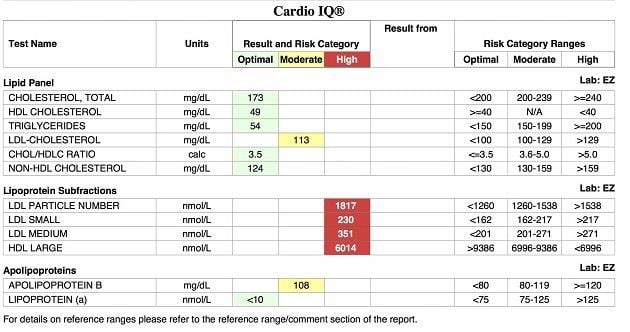
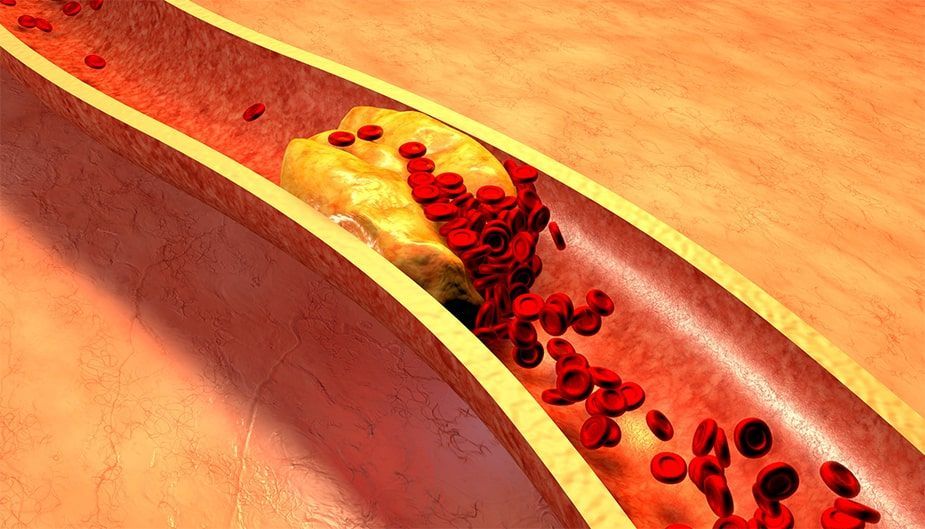
Learn MoreLipid Panel: Evaluates the risk for developing atherosclerosis (arterial plaque) and coronary heart disease. This test includes: Total Cholesterol, Triglycerides ,HDL Cholesterol, LDL Cholesterol, Total Cholesterol/HDL Ratio. FASTING REQUIRED.
-
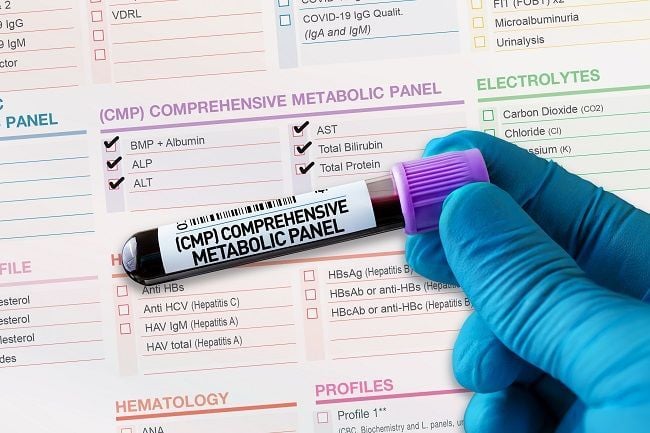
CMP Panel - Comprehensive Metabolic Panel$19
Learn MoreIncludes liver and kidney function, glucose and electrolytes
-
Water Retention Panel: Aldosterone/Plasma Renin Activity Ratio, LC/MS/MS$204
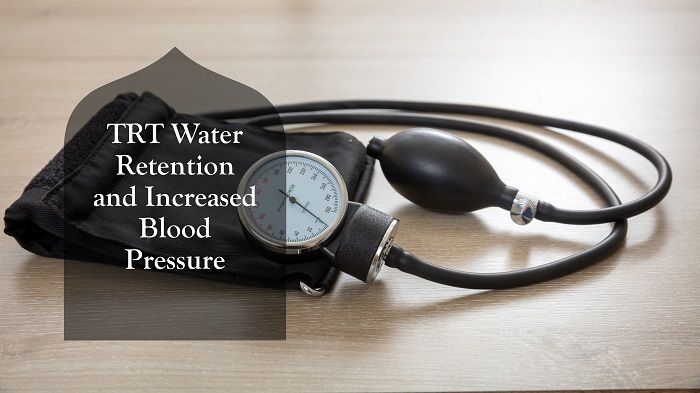
Learn MoreRenin, also known as angiotensinogenase, is an enzyme that the kidneys produce to regulate aldosterone production. It’s also essential in the renin–angiotensin aldosterone system (RAAS) which maintains your body’s fluid balance and blood pressure. Aldosterone is the primary of several endogenous members of the class of mineralocorticoids in humans. Aldosterone tends to promote sodium and water retention, and lower plasma postasium concentrations.
-
C-Peptide Test$63
Learn MorePatients with diabetes may get a C-peptide test as a means of distinguishing type 1 diabetes from type 2 diabetes or Maturity onset diabetes of the young (MODY). Measuring C-peptide can help to determine how much of their own natural insulin a person is producing as C-peptide is secreted in equimolar amounts to insulin. C-peptide levels are measured instead of insulin levels because C-peptide can assess a person's own insulin secretion even if they receive insulin injections, and because the liver metabolizes a large and variable amount of insulin secreted into the portal vein but does not metabolize C-peptide, meaning blood C-peptide may be a better measure of portal insulin secretion than insulin itself.
-
Urinalysis$15
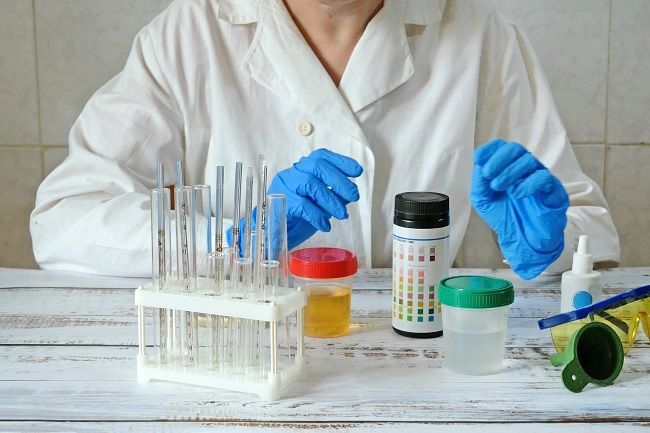
Learn MoreThe Urinalysis test panel screens for a variety of conditions including urinary tract infections ( UTI ), urinary bladder disease, kidney disease and diabetes. Tests included: Color, Appearance, Specific gravity, pH, Protein, Glucose, Occult blood, Ketones, Leukocyte esterase, Nitrite, Bilirubin, Urobilinogen, and Microscopic examination of urine sediment
-
PSA, Free: Total Ratio Reflex$82
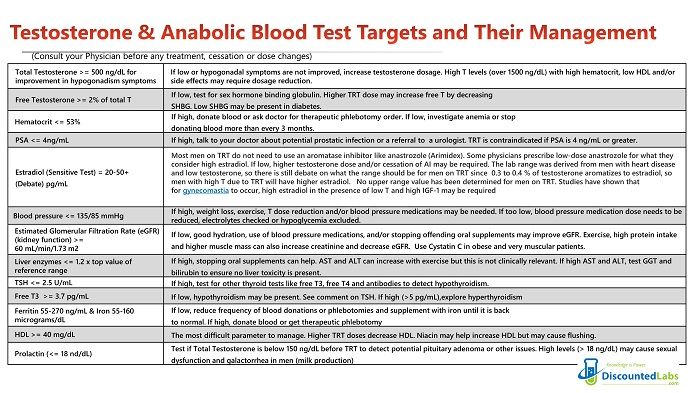
Learn MoreNOTE: This test can only be purchased by men with suspect PSA over 4 mg/dL. Free PSA will not be provided for PSA under 4 ng/mL.
PSA circulates through the body in two ways; bound to other proteins or by itself. Unbound PSA is called free PSA. A free-PSA test will measure the percentage of unbound PSA while a PSA test is used to measure the total of free and bound PSA in the blood. The free PSA is a defective variant of normal PSA that can no longer bind to other proteins and so circulates in the blood in the free form. Although the reason why this is the case is poorly understood - patients with prostate cancer may have lower free PSA levels than those with a benign prostate condition.