Search results for: 'acid'
-
Folate, Serum$58
Learn MoreB12 and folic acid blood testing help doctors diagnose central nervous system disorders, anemia, and malabsorption syndromes. B12 and folic acid also play an important role in energy level, muscle strength and memory. Because B12 and folate are derived solely from dietary intake, such as egg yolks, beef, poultry and fish, many people are deficient in these important vitamins.
-
Urinalysis$15
Learn MoreThe Urinalysis test panel screens for a variety of conditions including urinary tract infections ( UTI ), urinary bladder disease, kidney disease and diabetes. Tests included: Color, Appearance, Specific gravity, pH, Protein, Glucose, Occult blood, Ketones, Leukocyte esterase, Nitrite, Bilirubin, Urobilinogen, and Microscopic examination of urine sediment
-
Vitamin B12$58
Learn MoreVitamin B-12 is an essential vitamin. Low blood levels of B12 can cause: Anemia and pernicious anemia, loss of balance , numbness or tingling in the arms and legs, and weakness
-
GGT -Gamma Glutamyl Transpeptidase Liver Enzyme$46
Learn MoreThe GGT bood test looks for an enzyme, or protein, called gamma-glutamyl transpeptidase (GGT) in your blood. GGT is found in liver cells. This test helps your doctor look for possible damage to your liver or its ducts. It can also help tell the difference between liver and bone disease if your results from a different blood test called alkaline phosphatase are abnormal. Higher than normal test results could be a sign of liver damage from diseases such as hepatitis, cirrhosis, tumors, or pancreatic cancer. But a higher than normal GGT level does not tell you the specific cause of liver disease or damage.
-
Electrolyte Panel$67
Learn MoreThe electrolyte panel includes: Carbon dioxide, chloride, potassium, and sodium
-
Homocysteine$41
Learn MoreElevated levels of homocysteine in the blood, known as hyperhomocysteinemia, have been linked to an increased risk of cardiovascular disease, including heart attack and stroke. High homocysteine levels may also be associated with an increased risk of certain other health conditions, such as osteoporosis and pregnancy complications.
-
Ferritin$20
Learn MoreFerritin is a protein that stores iron. Red blood cells need iron to form normally and carry oxygen around your body. Low levels of ferritin lead to iron deficiency anemia, which means you have too few red blood cells. High levels of ferritin can damage your joints, heart, liver, and pancreas.
-
IGF-1 (Insulin-like Growth Factor 1)$77
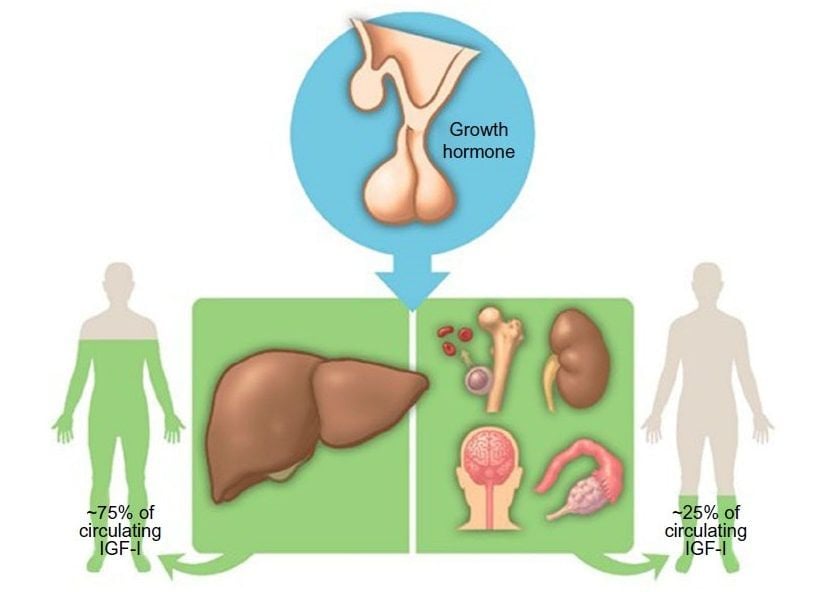
Learn MoreInsulin-like Growth Factor 1, also known as IGF-1, is used as a biomarker for blood levels of human growth hormone. It is a hormone produced by the liver and other tissues which affects growth-promoting activities and glucose metabolism. The blood level of IGF-1 appears to fluctuate over 24 hours and is found to be related to growth hormone secretion.