Search results for: 'someone'
-
Panel: CBC, CMP, TT, FT, Lipids, Prolactin, Ultra Sensitive Estradiol, and SHBG$366
Learn MoreThis panel is popular among men who are on testosterone therapy since it offers substantial savings over ordering each of these tests separately : Complete Blood Count (CBC) ,Comprehensive Metabolic Profile ( includes eGFR ), Estradiol UltraSensitive, Testosterone, Total and Free ( Accurate for all testosterone levels, uncapped), Prolactin, Lipids, and Sex Hormone Binding Globulin (SHBG). FASTING IS REQUIRED.
-
Gynecomastia Blood Test Panel$434
Learn MoreThis panel includes hormones that have been implicated in gynecomastia by several studies. Gynecomastia is a benign enlargement of the male breast resulting from a growth of the glandular tissue of the breast. Since it causes anxiety, psychosocial discomfort and fear of breast cancer, early diagnostic evaluation is important, and patients usually seek medical attention. Causes include hormone imbalance and genetic predisposition.
-
THYROID Panel - COMPREHENSIVE$238
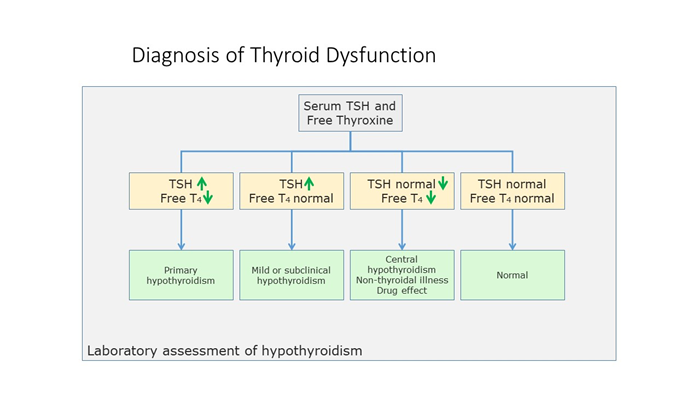
Learn MoreThis test panel includes most tests needed to more deeply explore the possibility of hypothyroidism and/or Hashimoto's disease diagnosis. It includes: TSH, Free T3, Free T4, Reverse T3, Thyroglobulin Antibody and Thyroid Peroxidase Antibody (Anti-TPO). If you are taking biotin, please stop it 72 hours before the blood draw since it may interfere with hormone blood tests. A study found that TSH was suppressed in all subjects after food, so fasting may be suggested although it is not reqired by Quest. Free T4 and Free T4 values did not change significantly after eating. NOTE: Reverse T3 is analyzed using a specific technique called liquid chromatography/tandem mass spectrometry (LC/MS-MS). There's a special place in the U.S. where these precise machines needed for LC/MS panels run only on two specific days a week. So, sometimes the clock ticks a bit while we wait for samples to return from their initial collection points. Results may take 7 business days.
-
CPK Blood Test (Creatine Phosphokinase)$24
Learn MoreCPK is creatine phosphokinase, an enzyme in the heart, brain, and skeletal muscle. High CPK can indicate muscle destruction, heart attacks, and central nervous system issues. Long-term exposure to high CPK can load up your kidneys and cause muscle loss and weakness. Sometimes we have no symptoms when CPK is high, but most of the time, we have body aches and soreness. Resistance training can raise CPK, so stop working out for at least five days before the CPK test.
-
Ferritin$20
Learn MoreFerritin is a protein that stores iron. Red blood cells need iron to form normally and carry oxygen around your body. Low levels of ferritin lead to iron deficiency anemia, which means you have too few red blood cells. High levels of ferritin can damage your joints, heart, liver, and pancreas.
-
Alkaline Phosphatase Isoenzymes$99
Learn MoreAlkaline Phosphatase (AP) The isoenzymes test, a diagnostic tool, measures the various forms of alkaline phosphatase (ALP) enzyme that are present in the blood. The body has the enzyme ALP in a variety of tissues, with the liver, bones, kidneys, and intestines having the largest quantities. Isoleucines are the slightly different forms of ALP that various tissues produce.
-
ESTRADIOL Ultra Sensitive (LC/MS) Blood Test$39
Learn MoreThis ultrasensitive estradiol test is recommended for men. The commonly used estradiol test may overestimate estradiol in men. That test uses immunoassay technology that cannot differentiate C-Reactive Protein (involved in inflammation) from estradiol, so it reads the combination of the two as estradiol. This ultrasensitive estradiol test is based on liquid chromatography/mass spectrometry (LC/MS), an assay technology that does not have that limitation.
Important note: The blood sample is sent out to Quest Diagnostics Nichols Institute San Juan Capistrano, Caifornia. Overnight delivery and testing is performed on Sunday and Friday. Reports are available within 5-7 business days from the time the specimen is collected.
-
Adrenal Insufficiency Panel- Basic$203
Learn MoreDiscounted Labs’ basic adrenal insufficiency panel includes cortisol, ACTH, and DHEA as a starting point. Depending on lab test results from this panel, physicians may choose to do an ACTH stimulation test, renin, potassium, and sodium. Imaging studies like a CT scan of the adrenal glands may also be considered to check for adrenal growths. In order to check for Addison's Disease, the auto-immune type of primary adrenal insufficiency, labs should be drawn to check 21-hydroxylase
-
Annual Physical Lab Test Panel$110
Learn MoreThis lab test panel includes the blood tests usually selected by physicians in an annual physical exam for men and women: CBC (Complete Blood Count: Immune Cells, Red Blood Cells/Hematocrit, and Platelets), CMP (Comprehensive Metabolic Panel: Glucose, liver and kidney function, electrolyte and fluid balance), Lipids (LDL and HDL cholesterol, and triglycerides), and A1c (Glycated Hemoglobin). This panel does not include a doctor's visit, only lab tests. Low Price Guaranteed.
-
Testosterone + LH + FSH Panel$137
Learn MoreThis panel includes: Total and Free Testosterone (LC/MS), Luteinizing Hormone (LH), and Follicle Stimulating Hormone (FSH) at substantial savings that buying each test separately.
-
PROTEIN, GLOBULIN & ALBUMIN$17
Learn MoreProtein, Gloublin and Albumin - The major proteins seen in the serum are albumin and globulin-the latter being primarily alpha 1 and alpha 2 globulin, beta globulin and gamma globulin. Albumin accounts for more than 50% of the total serum proteins. The albumin to globulin (A/G) ratio has been used as an index of disease state, however, it is not a specific marker for disease because it does not indicate which specific proteins are altered. The normal A/G ratio is 0.8-2.0. The A/G ratio can be decreased in response to a low albumin or to elevated globulins. Total globulins may be increased in some chronic inflammatory diseases (TB, syphilis) multiple myeloma, collagen disease, and rheumatoid arthritis. Decreased levels are seen in hepatic dysfunction, renal disease and various neoplasms.
-
Women's Hormone & Wellness Panel$381
Learn MoreThis cost effective discounted lab panel will provide a baseline overview of your sex hormones, thyroid gland, adrenal function, metabolic function, and overall health. Includes: CBC (includes immune and red blood cells and platelets), CMP (Includes kidney and liver function, glucose and electrolytes), Lipid Panel (LDL, HDL, Triglycerides), Testosterone free and total, Estradiol, DHEA-sulfate, TSH, Progesterone, and LH & FSH.
-
TRT MALE Hormone/Wellness Follow Up Panel$237
Learn MoreThis popular and cost-effective panel includes main blood test variables monitored by many clinics that treat men with low testosterone. This panel is for men who are already on testosterone replacement therapy (TRT) and who want to monitor their main blood tests. You save substantial amounts of money by ordering these tests together rather than one at a time. The panel includes: Total and free testosterone (LC/MS assay. No upper limit restriction), Sex hormone binding globulin (SHBG), Estradiol (sensitive- LC/MS assay), CBC (includes glucose, hematocrit and immune cells), CMP (includes liver and kidney function, eGFR), Lipids (LDL and HDL cholesterol and triglycerides)
-
ALLERGY MOLD PANEL, COMPLETE$170
Learn MoreAllergy Mold Panel, Complete -
This panel tests for specific IgE antibodies to 6 molds that are commonly associated with allergies. Allergen-specific serum IgE testing is considered comparable to skin testing and may be preferred in some clinical situations. However, a positive test result only indicates that a patient is sensitized to the allergen of concern. Many IgE-sensitized individuals do not develop any symptoms when exposed to the allergen. Only a qualified medical professional who has conducted a thorough clinical evaluation should make an allergy diagnosis. These are the 6 molds tested:
Alternaria alternata (m6)
Alternaria is one of the most common outdoor molds and a frequent cause of mold allergies. When Alternaria spores are inhaled, they can trigger an allergic response in susceptible individuals. This can lead to symptoms like sneezing, runny nose, nasal congestion, and asthma exacerbations.1
Aspergillus fumigatus (m3)
Aspergillus is a genus of molds that can cause both allergic reactions and infections, especially in people with weakened immune systems. Aspergillus fumigatus is a common indoor mold that can trigger allergic rhinitis, asthma, and a rare condition called allergic bronchopulmonary aspergillosis (ABPA).2
Cladosporium herbarum (m2)
Cladosporium is one of the most common outdoor molds and a frequent cause of mold allergies. When breathed in by sensitive people, Cladosporium spores can cause allergic reactions like sneezing, nasal congestion, and asthma symptoms. 1
Mucor racemosus (m4)
Mucor is a genus of molds that can cause allergic reactions in some people. Inhaling Mucor spores may lead to symptoms like nasal congestion, sneezing, and asthma exacerbations in those with a Mucor allergy.
Penicillium notatum (m1)
Penicillium is a common indoor mold that can cause allergic reactions. When Penicillium spores are inhaled, they may trigger symptoms such as sneezing, runny nose, nasal congestion, and asthma in individuals with a Penicillium allergy.1
Stemphylium botryosum (m10)
Stemphylium is a genus of molds that can be an allergen for some people. Inhaling Stemphylium spores may lead to allergic rhinitis symptoms like sneezing, nasal congestion, and itchy/watery eyes in those with a Stemphylium allergy.In conclusion, when sensitive people inhale the spores from these common mold species, they can all cause allergic reactions. The allergic symptoms typically include nasal congestion, sneezing, runny nose, and asthma exacerbations. Avoiding exposure to these molds is key for managing mold allergies.12
-
Prolactin$44
Learn MoreA prolactin blood test is used by doctors to evaluate sexual dysfunction or very low testosterone blood levels of unknown causes in both men and women.
-
Insulin Fasting Blood Test$26
Learn MoreThe fasting insulin test is a blood test that measures the level of insulin in your blood after you have fasted (not eaten or drunk anything except water) for at least 8 hours. Insulin is a hormone produced by the pancreas that helps regulate blood sugar levels. The fasting insulin test is often used to help diagnose conditions such as insulin resistance, prediabetes, and type 2 diabetes. It may also be ordered to monitor the effectiveness of treatment for these conditions. The test is usually done in the morning, after an overnight fast. The test results will be reported in units of insulin per liter of blood (U/L). It is important to note that the interpretation of a fasting insulin test may vary depending on the individual's medical history and other factors. A healthcare provider should be consulted to interpret the test results correctly.
-
Cortisol Blood Test$30
Learn MoreCortisol (hydrocortisone) is the most prominent glucocorticosteroid, and it is essential for the maintenance of several body functions. The most important physiological effects of cortisol are that it raises blood sugar levels (enhances gluconeogenesis, or breaks down glucose) and lowers inflammation and the immune system.
-
Thyroglobulin Antibody$48
Learn MoreThis test measures thyroglobulin antibodies commonly present in patients with Hashimoto's thyroiditis. Antibodies against the protein thyroglobulin can result in the destruction of thyroid cells. This destruction can lead to hypothyroidism. NOTE: Dietary supplements containing biotin may interfere in assays and may skew results to be either falsely high or falsely low. For patients receiving the recommended daily doses of biotin, draw samples at least 8 hours following the last biotin supplementation. For patients on mega doses of biotin supplements, draw samples at least 72 hours following the last biotin supplementation.
-
Reverse T3 Test$86
Learn MoreThe reverse T3 test has to be done at the same time you do the free T3, and you then measure the ratio between the two by dividing the RT3 into the Free T3. The body produces the benign RT3 naturally to rid itself of excess of T4, but in some cases, such as high or low cortisol, RT3 is produced in excess, which can clog cell receptors from receiving T3. FT3 is usually twenty or more times higher than RT3. NOTE: Reverse T3 is analyzed using a specific technique called liquid chromatography/tandem mass spectrometry (LC/MS-MS). There's a special place in the U.S. where these precise machines needed for LC/MS panels run only on two specific days a week. So, sometimes the clock ticks a bit while we wait for samples to return from their initial collection points. Results may take 7 business days.
-
hCG Pregnancy Test$35
Learn MoreA blood pregnancy test is a medical test used to determine if a woman is pregnant by detecting the presence of the hormone hCG in her blood. Shortly after the fertilized egg implants into the uterine lining, the developing placenta produces the hormone known as hCG. This test is the Quantitative hCG test (also known as a beta hCG test) and measures the specific amount of hCG present in the blood. It can help determine how far along a pregnancy is, monitor the progress of the pregnancy, and detect potential issues like an ectopic pregnancy or a miscarriage.
Blood pregnancy tests are more sensitive than over-the-counter urine pregnancy tests and can detect pregnancy earlier – as soon as 6 to 8 days after ovulation.
-
Phosphate (as Phosphorus )$20
Learn MorePhosphate (as Phosphorus) - Serum phosphorus (Phosphate) levels alone are of limited diagnostic value and should be correlated with serum calcium levels. An increased phosphorus with decreased calcium suggests either hypoparathyroidism or renal disease. A decreased phosphorus and an increased calcium suggests hyperparathyroidism or sarcoidosis. When both calcium and phosphorus are decreased diagnostic considerations include malabsorption, vitamin D deficiency and renal tubular acidosis. Increased phosphorus and normal or increased calcium suggests Milk-alkali syndrome or hypervitaminosis D.
-
THYROID Panel (TSH + Free T3 + Free T4)$100
Learn MoreThis panel includes comprehensive testing of the thyroid stimulating hormone (TSH) in addition to free thyroxine (T4) and free triiodothyronine (T3).
-
CBC with Differential$16
Learn MoreA complete blood count CBC with differential test panel measures several components of your blood including:Red blood cells, which carry oxygen, White blood cells, which fight infection, Hemoglobin, the oxygen-carrying protein in red blood cells, Hematocrit, the proportion of red blood cells to the fluid component in your blood (which correlated with blood thickness), and Platelets, which help with blood clotting. This is also called Complete Blood Count (CBC) with Differential and Platelets Blood Test
-
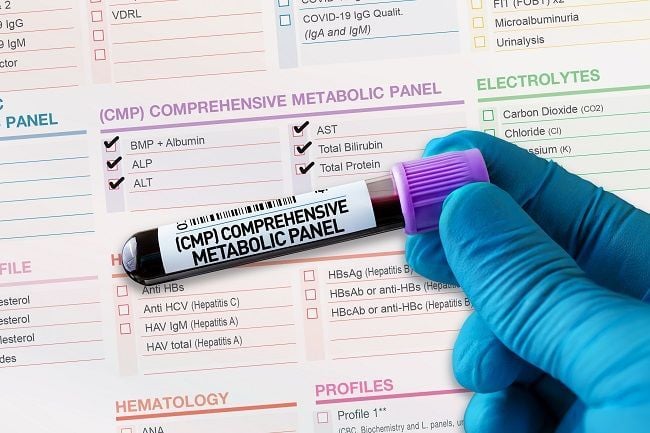
CMP Panel - Comprehensive Metabolic Panel$19
Learn MoreIncludes liver and kidney function, glucose and electrolytes
-
Aldosterone, serum$133
Learn MoreAldosterone (ALD) is one of a group of connected hormones. They form the renin-angiotensin-aldosterone system; this system is activated when there is a decrease in blood flow to your kidneys following a drop in blood volume or blood pressure
-
Cardio IQ Insulin Resistance Panel with Score$283
Learn MoreThe Cardio IQ® Insulin Resistance Score (IR), which uses fasting insulin and C-peptide measurements to estimate a person's likelihood of having insulin resistance. It eliminates the need for multiple samples and reduces the chance of errors that can occur with some other tests.
Having a high score (indicating a greater probability of insulin resistance) was linked to an increased risk of developing type 2 diabetes, even after accounting for other risk factors.
An IR score of <33 suggests that an individual has normal insulin sensitivity.
A score of 33 to 66 suggests that an individual has >4-fold greater odds of having IR compared with an individual with a score <33 .
A score >66 suggests that an individual has >15-fold greater odds of having IR compared to an individual with a scoreFasting Required for 10-12 hours. Water only.
-
Glutathione Blood Test$202
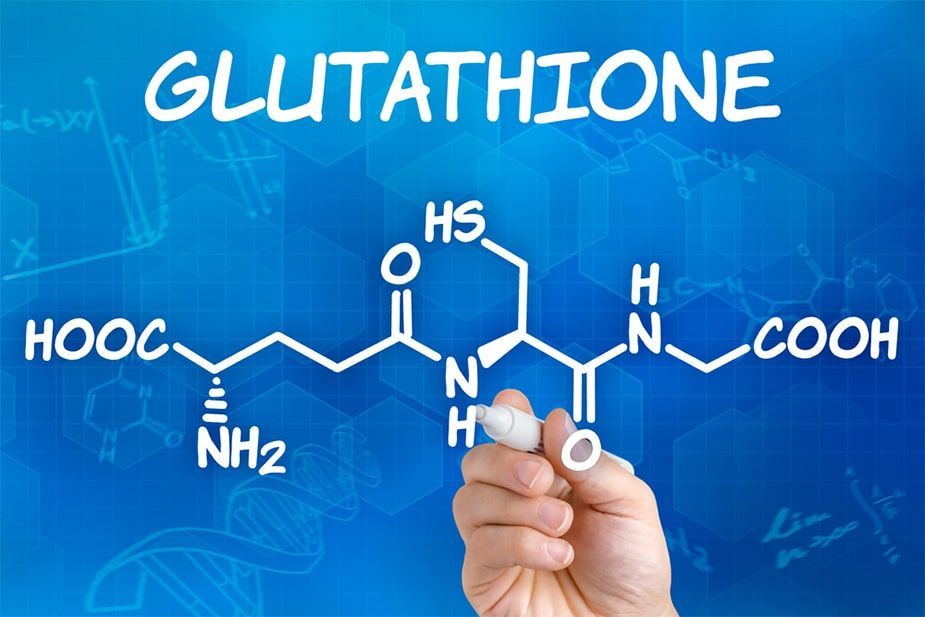
Learn MoreBoth chronically low and high levels of glutathione in the body are indicative of potentially debilitating health problems. Glutathione level is a crucial marker for many diseases, both chronic and acute. Given the importance of this protein to human health; discovering your glutathione levels could be one more way to monitor health levels, immune function, and the potential risk of diseases that have been associated with chronically low or high levels of this essential peptide.
-
Mononucleosis Test: Epstein-Barr Virus (EBV) Antibodies Panel$379
Learn MoreEpstein-Barr (EB) virus is a herpes group virus that is ubiquitous. It leads to infectious mononucleosis and may play a role in the development of Burkitt lymphoma, some nasopharyngeal carcinomas, and a few rare genetic lymphoproliferative disorders. Antibodies to early antigen, IgM and IgG antibodies to viral capsid antigen (VCA), and antibodies to Epstein-Barr nuclear antigen (EBNA) are all part of the EBV test.
-
Prothrombin with INR and Partial Thromboplastin Times (PTT)$37
Learn MoreThe tests are usually ordered for patients prior to surgery to ensure normal clotting ability. The PT and PTT Blood Tests are useful in the diagnosis of excessive, unexplained bleeding in patients who are not taking blood-thinning medications. These bleeding disorders include conditions such as nosebleeds, bruising, heavy menstrual periods, blood in the stool and/or urine, and bleeding gums, among others,
-
Lipoprotein a Test$76
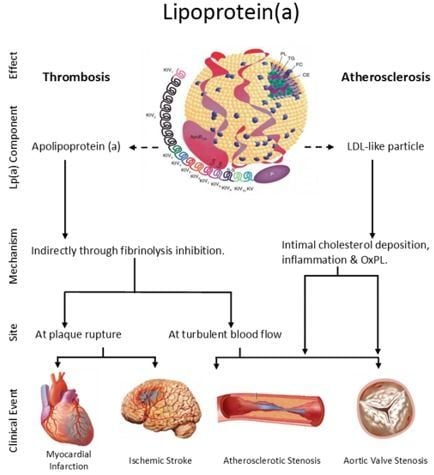
Learn MoreLipoprotein (a) has been called a powerful predictor of premature atherosclerotic vascular disease. As an independent risk factor for premature coronary artery disease, excess Lp(a) concentrations are associated with an increased risk of cardiac death in patients with acute coronary syndromes and with restenosis after angioplasty (PTCA) and coronary bypass procedures. In general, concentrations greater than or equal to 75 nmol/L of Lp(a) in serum are associated with a two- to sixfold increase in risk, depending on the presence of other risk factors.
-
Folate, Serum$58
Learn MoreB12 and folic acid blood testing help doctors diagnose central nervous system disorders, anemia, and malabsorption syndromes. B12 and folic acid also play an important role in energy level, muscle strength and memory. Because B12 and folate are derived solely from dietary intake, such as egg yolks, beef, poultry and fish, many people are deficient in these important vitamins.
-
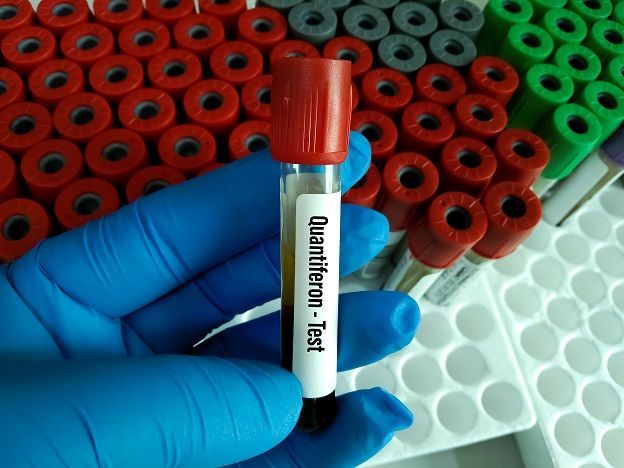
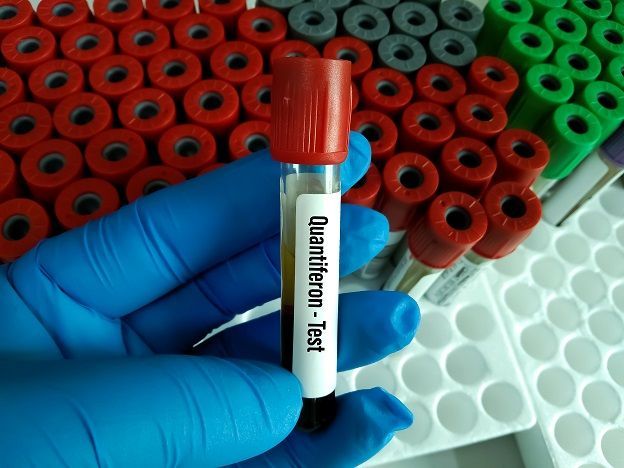
Quantiferon Gold Plus TB Test$267
Learn MoreThis is the lowest QuantiFERON Gold test price in the United States. It is also the most accurate TB test you can buy online without a doctor's visit. The price includes the doctor's order. No hidden fees or surprise bills.
This is the gold standard for the IGRA TB test. The 1 Tube QuantiFERON®-TB Gold Plus is an indirect test for M. tuberculosis infection TB (including disease) and is intended for use in conjunction with risk assessment, radiography, and other medical and diagnostic evaluations. This test does not differentiate between latent and active TB. All institutions, the US government, employers, and agencies accept this test.
-
C-Peptide Test$63
Learn MorePatients with diabetes may get a C-peptide test as a means of distinguishing type 1 diabetes from type 2 diabetes or Maturity onset diabetes of the young (MODY). Measuring C-peptide can help to determine how much of their own natural insulin a person is producing as C-peptide is secreted in equimolar amounts to insulin. C-peptide levels are measured instead of insulin levels because C-peptide can assess a person's own insulin secretion even if they receive insulin injections, and because the liver metabolizes a large and variable amount of insulin secreted into the portal vein but does not metabolize C-peptide, meaning blood C-peptide may be a better measure of portal insulin secretion than insulin itself.
-
THYROID Peroxidase Antibodies - TPO Antibodies$36
Learn MoreThe determination of TPO antibody levels is the most sensitive test for detecting autoimmune thyroid disease (eg, Hashimoto's thyroiditis, idiopathic myxedema, and Graves disease) and detectable concentrations of anti-TPO antibodies are observed in most patients with these disorders. The highest TPO antibody levels are observed in patients suffering from Hashimoto thyroiditis. In this disease, the prevalence of TPO antibodies is about 90% of cases, confirming the autoimmune origin of the disease. These autoantibodies also frequently occur (60%–80%) in the course of Graves disease.
-
Autoimmune Antibodies: ANA Screen, IFA, with Reflex to Titer and Pattern$30
Learn MoreThis test measures ANA Screen, IFA, with Reflex to Titer and Pattern - Several rheumatic diseases are linked to antinuclear antibodies. These include Systemic Lupus Erythematous (SLE), mixed connective tissue disease, Sjogren's syndrome, scleroderma, polymyositis, CREST syndrome, and neurologic SLE. LOWEST PRICE.
-
CA125 Blood Test$35
Learn MoreThe CA 125 level can help doctors understand how to manage patients with ovarian cancer. However, the CA 125 blood test is not advised for women who are at average risk for ovarian cancer.
Women with ovarian cancer usually have high levels of CA 125. However, a high CA 125 level does not always mean you have ovarian cancer. Some women who have ovarian cancer may never show a high CA 125 level.
-
IGF-1 (Insulin-like Growth Factor 1)$77
Learn MoreInsulin-like Growth Factor 1, also known as IGF-1, is used as a biomarker for blood levels of human growth hormone. It is a hormone produced by the liver and other tissues which affects growth-promoting activities and glucose metabolism. The blood level of IGF-1 appears to fluctuate over 24 hours and is found to be related to growth hormone secretion.
-
MTHFR Test- DNA mutation Analysis of Methylenetetrahydrofolate Reductase$800
Learn MoreQuest Diagnostics test code 17911 is for a DNA mutation analysis of Methylenetetrahydrofolate Reductase (MTHFR). The test determines if a patient has one, two, or no copies of either of the two mutations in the MTHFR gene, C677T and A1298C.
Changes in the methylenetetrahydrofolate reductase gene can lead to certain health conditions. One of them is hyperhomocysteinemia (high blood levels of homocysteine), which is a risk factor for cerebrovascular disease, cerebral vein thrombosis, coronary artery disease, myocardial infarction, and venous thrombosis. At least 40 mutations in the MTHFR gene have been identified in people with homocystinuria, a disorder in which the body is unable to process certain amino acids properly.
-
Parathyroid Hormone PTH Blood Test$55
Learn MoreThe PTH test is used to help identify hyperparathyroidism, to find the cause of abnormal calcium levels, or to check the status of chronic kidney disease. PTH controls calcium and phosphorus levels in the blood.
-
Ultimate Lab Test Panel for Men and Women$837
Learn MoreThis ultimate lab test panel offers the best savings for men and women to determine their immune health, liver and kidney function, electrolytes, blood sugar, cholesterol, thyroid function, inflammatory markers involved in heart disease, testosterone total and free, urinalysis to determine UTIs and kidney function, estradiol, DHEA-S, vitamins D and B12, and iron/ferritin to determine anemia or increased risk of iron overload.