Search results for: 'Infections'
-
Mononucleosis Test: Epstein-Barr Virus (EBV) Antibodies Panel$379
Learn MoreEpstein-Barr (EB) virus is a herpes group virus that is ubiquitous. It leads to infectious mononucleosis and may play a role in the development of Burkitt lymphoma, some nasopharyngeal carcinomas, and a few rare genetic lymphoproliferative disorders. Antibodies to early antigen, IgM and IgG antibodies to viral capsid antigen (VCA), and antibodies to Epstein-Barr nuclear antigen (EBNA) are all part of the EBV test.
-
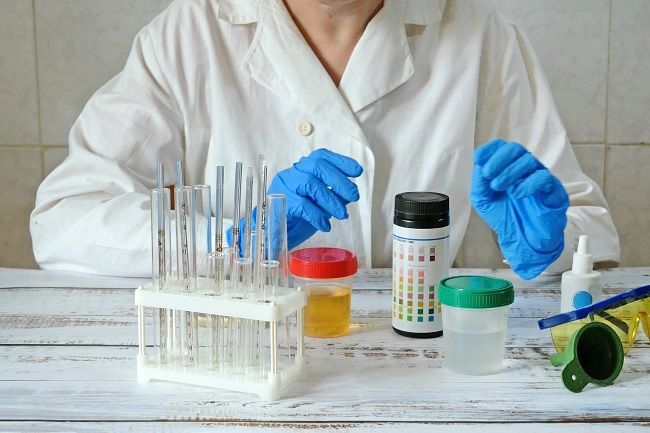
Urinalysis, Complete, with Reflex to Culture$21
Learn MoreUrinalysis with reflex to culture testing is done when the first urinalysis results are not normal or when doctors think the person might have a urinary tract infection, kidney disease, or another problem with their urinary tract. Several conditions may necessitate urinalysis with reflex testing. Urinary tract infections (UTIs) are a common reason for reflex testing, as it helps healthcare providers identify the specific bacteria causing the infection and determine the most effective antibiotic treatment. Kidney diseases, such as glomerulonephritis or renal tubular acidosis, may also require reflex testing for accurate diagnosis and management. Conditions like hematuria (blood in urine) or proteinuria (protein in urine) warrant further investigation, as they may indicate underlying kidney disease or urinary tract neoplasms. Pregnant women may undergo reflex testing to monitor for gestational diabetes and preeclampsia. NOTE: You need to visit the lab near you to submit two separate specimens in containers provided by the lab. NOTE: The culture will ONLY be performed if any of the following Urinalysis results are applicable:
•Presence of Leukocyte esterase alone
•Presence of WBCs (>5/hpf) alone
•Presence of Yeast
•Presence of Bacteria and the presence of WBCs (>5/hpf) or Leukocyte esterase
•Presence of Nitrite and the presence of WBCs (>5/hpf) or Leukocyte esterase -
ALLERGY MOLD PANEL, COMPLETE$170
Learn MoreAllergy Mold Panel, Complete -
This panel tests for specific IgE antibodies to 6 molds that are commonly associated with allergies. Allergen-specific serum IgE testing is considered comparable to skin testing and may be preferred in some clinical situations. However, a positive test result only indicates that a patient is sensitized to the allergen of concern. Many IgE-sensitized individuals do not develop any symptoms when exposed to the allergen. Only a qualified medical professional who has conducted a thorough clinical evaluation should make an allergy diagnosis. These are the 6 molds tested:
Alternaria alternata (m6)
Alternaria is one of the most common outdoor molds and a frequent cause of mold allergies. When Alternaria spores are inhaled, they can trigger an allergic response in susceptible individuals. This can lead to symptoms like sneezing, runny nose, nasal congestion, and asthma exacerbations.1
Aspergillus fumigatus (m3)
Aspergillus is a genus of molds that can cause both allergic reactions and infections, especially in people with weakened immune systems. Aspergillus fumigatus is a common indoor mold that can trigger allergic rhinitis, asthma, and a rare condition called allergic bronchopulmonary aspergillosis (ABPA).2
Cladosporium herbarum (m2)
Cladosporium is one of the most common outdoor molds and a frequent cause of mold allergies. When breathed in by sensitive people, Cladosporium spores can cause allergic reactions like sneezing, nasal congestion, and asthma symptoms. 1
Mucor racemosus (m4)
Mucor is a genus of molds that can cause allergic reactions in some people. Inhaling Mucor spores may lead to symptoms like nasal congestion, sneezing, and asthma exacerbations in those with a Mucor allergy.
Penicillium notatum (m1)
Penicillium is a common indoor mold that can cause allergic reactions. When Penicillium spores are inhaled, they may trigger symptoms such as sneezing, runny nose, nasal congestion, and asthma in individuals with a Penicillium allergy.1
Stemphylium botryosum (m10)
Stemphylium is a genus of molds that can be an allergen for some people. Inhaling Stemphylium spores may lead to allergic rhinitis symptoms like sneezing, nasal congestion, and itchy/watery eyes in those with a Stemphylium allergy.In conclusion, when sensitive people inhale the spores from these common mold species, they can all cause allergic reactions. The allergic symptoms typically include nasal congestion, sneezing, runny nose, and asthma exacerbations. Avoiding exposure to these molds is key for managing mold allergies.12
-
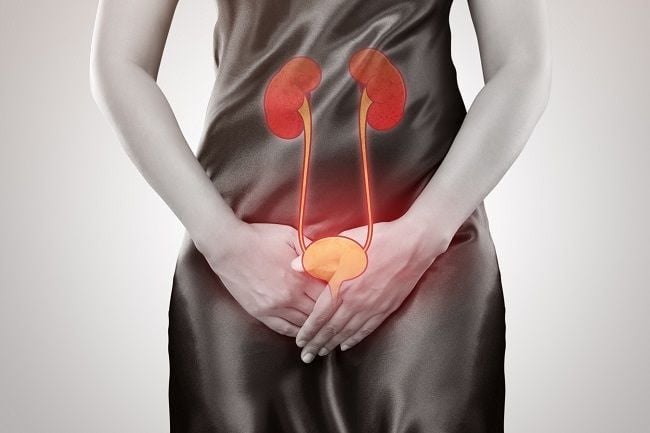
Urinalysis$15
Learn MoreThe Urinalysis test panel screens for a variety of conditions including urinary tract infections ( UTI ), urinary bladder disease, kidney disease and diabetes. Tests included: Color, Appearance, Specific gravity, pH, Protein, Glucose, Occult blood, Ketones, Leukocyte esterase, Nitrite, Bilirubin, Urobilinogen, and Microscopic examination of urine sediment
-
C-Reactive Protein- Quantitative (qCRP)$34
Learn MoreA C-Reactive Protein (CRP) Quantitative test is used to aid in the diagnosis of infections or diseases which cause inflammation. CRP is a protein produced by the liver. Higher than normal concentrations of CRP are often an indicator of infection or inflammation in the body. This test can help determine if an infection is present but not the source of the infection. Conditions that can cause elevated CRP levels include but are not limited to Sepsis, Pelvic Inflammatory Disease, Arthritis, Lupus, Vasculitis, and Inflammatory Bowel Disease.
-
Hair Loss Test Panel$420
Learn MoreThis lab test panel includes main blood test makers involved in hair loss in women and men: Complete Blood Count (CBC)- Can detect potential low hemoglobin and infections that can lead to hair loss. Ferritin- Low ferritin, an iron storage protein, has been linked to hair loss and slow down of hair growth. Iron and Total Iron Capacity (TIBC)- Low iron anemia has been linked to hair loss. Hyperandrogenism: Excessive male hormones (androgens): Total Testosterone (LC/MS), Free Testosterone (Equilibrium Ultrafiltration), DHEA-S, Dihydrotestosterone (DHT) Hypothyroidism and Hyperthyroidism: Thyroid Stimulation Hormone (TSH), Free Triidothyronine (Free T3)
-
PROTEIN, GLOBULIN & ALBUMIN$17
Learn MoreProtein, Gloublin and Albumin - The major proteins seen in the serum are albumin and globulin-the latter being primarily alpha 1 and alpha 2 globulin, beta globulin and gamma globulin. Albumin accounts for more than 50% of the total serum proteins. The albumin to globulin (A/G) ratio has been used as an index of disease state, however, it is not a specific marker for disease because it does not indicate which specific proteins are altered. The normal A/G ratio is 0.8-2.0. The A/G ratio can be decreased in response to a low albumin or to elevated globulins. Total globulins may be increased in some chronic inflammatory diseases (TB, syphilis) multiple myeloma, collagen disease, and rheumatoid arthritis. Decreased levels are seen in hepatic dysfunction, renal disease and various neoplasms.
-
Women Ultra Elite Panel$1,312
Learn MoreThis women's ultra elite lab test panel offers the best savings for men to determine their immune health, liver and kidney function, electrolytes, blood sugar, advanced lipid panel, thyroid function, inflammatory markers involved in heart disease, testosterone total and free, urinalysis to determine UTIs and kidney function, ultrasensitive estradiol, DHEA-S, IGF-1, DHT, Prolactin, Progesterone, Estrone, Total Estrogens, vitamins D and B12+ folate, and iron/ferritin to determine fatigue, anemia or increased risk of iron overload.Tests included are:
Complete Blood Count with Differential (CBC)
Comprehensive Metabolic Panel (CMP)
Hemoglobin A1c
Cardio IQ Advanced Lipid Panel
Urinalysis, Complete
TSH
Thyroid Free T3
Thyroid Free T4
Reverse T3
TPO Antibodies
Thyroglobulin Antibodies
Homocysteine
Cardio C-Reactive Protein
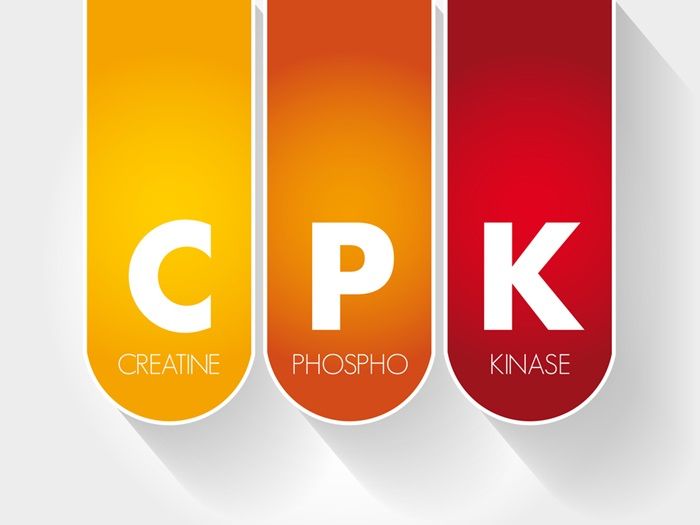
CPK
Estradiol, Ultra Sensitive
Testosterone Total & Free (LC/MS- No upper limit)
DHEA – S
Prolactin
DHT
IGF-1
Progesterone
Estrone
Total Estrogens
LH + FSH
Anti-Müllerian Hormone (AMH)
Vitamin D (25OHD)
Vitamin B-12
Folate
Ferritin
Iron & TIBC (Total Iron Binding Capacity) -
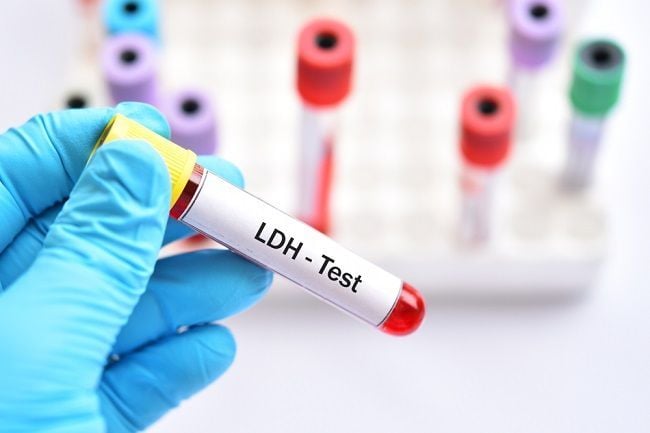
LDH Blood Test$22
Learn MoreThe LDH (lactate dehydrogenase) blood test measures the level of LDH in your blood. LDH is an enzyme in many body organs and tissues, including the heart, liver, muscles, and red blood cells. The LDH test is often used to help diagnose and monitor various medical conditions, such as anemia, heart attack, and liver disease. It may also be ordered to check for tissue damage or monitor treatment effectiveness for specific conditions. Since lactic dehydrogenase is present in many body tissues, its diagnostic usefulness is limited. Tissue specificity may be enhanced by LDH isoenzyme analysis.
-
Ferritin$20
Learn MoreFerritin is a protein that stores iron. Red blood cells need iron to form normally and carry oxygen around your body. Low levels of ferritin lead to iron deficiency anemia, which means you have too few red blood cells. High levels of ferritin can damage your joints, heart, liver, and pancreas.
-
Thyroglobulin Antibody$48
Learn MoreThis test measures thyroglobulin antibodies commonly present in patients with Hashimoto's thyroiditis. Antibodies against the protein thyroglobulin can result in the destruction of thyroid cells. This destruction can lead to hypothyroidism. NOTE: Dietary supplements containing biotin may interfere in assays and may skew results to be either falsely high or falsely low. For patients receiving the recommended daily doses of biotin, draw samples at least 8 hours following the last biotin supplementation. For patients on mega doses of biotin supplements, draw samples at least 72 hours following the last biotin supplementation.
-
Reverse T3 Test$86
Learn MoreThe reverse T3 test has to be done at the same time you do the free T3, and you then measure the ratio between the two by dividing the RT3 into the Free T3. The body produces the benign RT3 naturally to rid itself of excess of T4, but in some cases, such as high or low cortisol, RT3 is produced in excess, which can clog cell receptors from receiving T3. FT3 is usually twenty or more times higher than RT3. NOTE: Reverse T3 is analyzed using a specific technique called liquid chromatography/tandem mass spectrometry (LC/MS-MS). There's a special place in the U.S. where these precise machines needed for LC/MS panels run only on two specific days a week. So, sometimes the clock ticks a bit while we wait for samples to return from their initial collection points. Results may take 7 business days.
-
hCG Pregnancy Test$35
Learn MoreA blood pregnancy test is a medical test used to determine if a woman is pregnant by detecting the presence of the hormone hCG in her blood. Shortly after the fertilized egg implants into the uterine lining, the developing placenta produces the hormone known as hCG. This test is the Quantitative hCG test (also known as a beta hCG test) and measures the specific amount of hCG present in the blood. It can help determine how far along a pregnancy is, monitor the progress of the pregnancy, and detect potential issues like an ectopic pregnancy or a miscarriage.
Blood pregnancy tests are more sensitive than over-the-counter urine pregnancy tests and can detect pregnancy earlier – as soon as 6 to 8 days after ovulation.
-
CBC with Differential$16
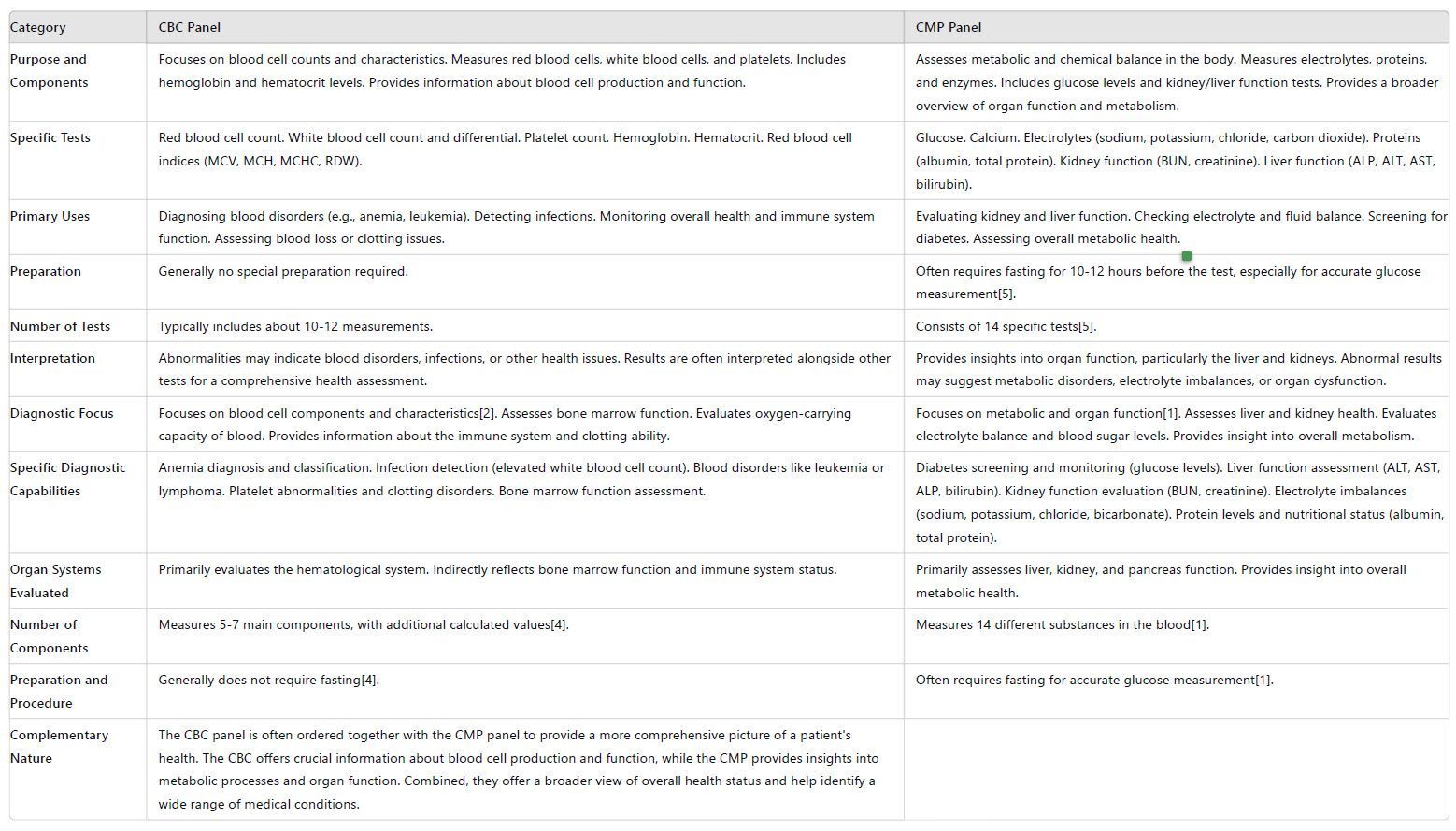
Learn MoreA complete blood count CBC with differential test panel measures several components of your blood including:Red blood cells, which carry oxygen, White blood cells, which fight infection, Hemoglobin, the oxygen-carrying protein in red blood cells, Hematocrit, the proportion of red blood cells to the fluid component in your blood (which correlated with blood thickness), and Platelets, which help with blood clotting. This is also called Complete Blood Count (CBC) with Differential and Platelets Blood Test
-
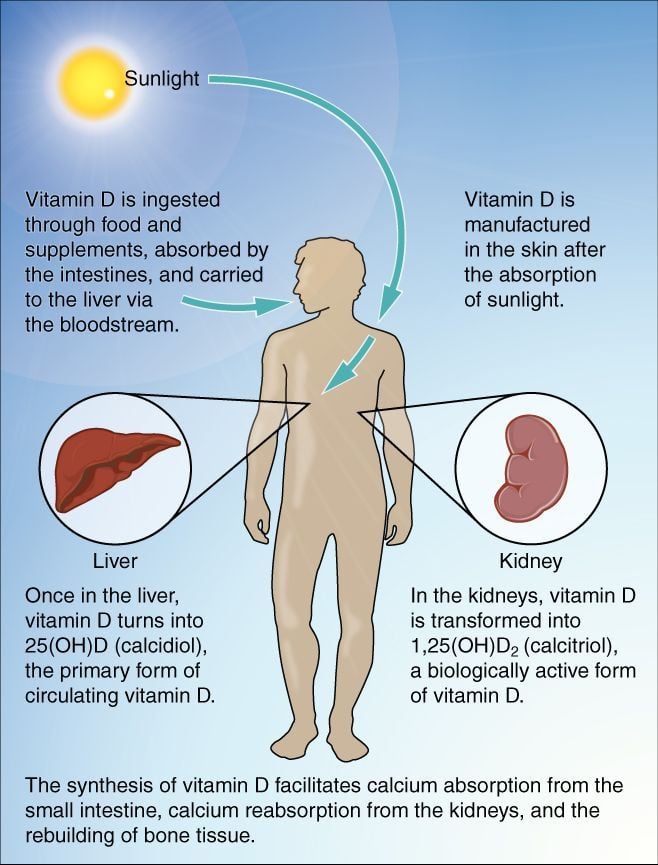
Vitamin D ( 25OHD )$43
Learn MoreVitamin D is essential for bone health and many metabolic processes. The body derives it from sunlight and food sources. Many people do not get enough sunlight or do not consume enough vitamin D rich foods. This test is important to determine if you need vitamin D supplementation or if your current supplementation is effective.
-
4-Tube Cortisol-Salivary$199
Learn MoreThis test for adrenal insufficiency includes 4 measurements of your salivary Cortisol level during one day. Cortisol, also known as the "stress hormone" can be either too high or too low which may be a sign of adrenal distress.
-
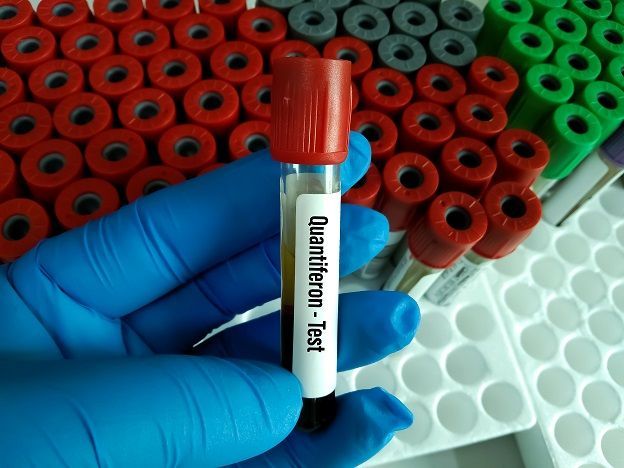
Quantiferon Gold Plus TB Test$267
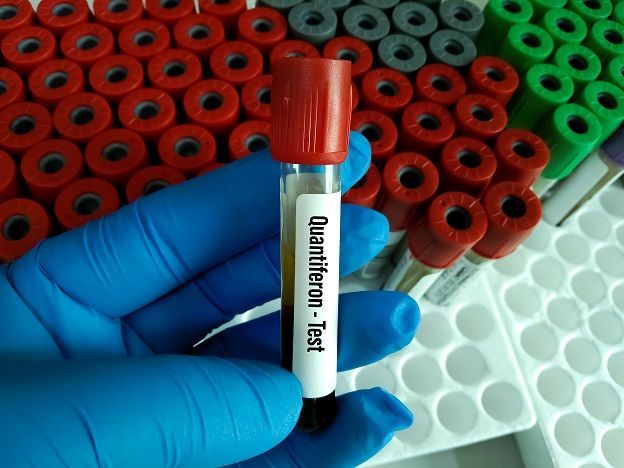
Learn MoreThis is the lowest QuantiFERON Gold test price in the United States. It is also the most accurate TB test you can buy online without a doctor's visit. The price includes the doctor's order. No hidden fees or surprise bills.
This is the gold standard for the IGRA TB test. The 1 Tube QuantiFERON®-TB Gold Plus is an indirect test for M. tuberculosis infection TB (including disease) and is intended for use in conjunction with risk assessment, radiography, and other medical and diagnostic evaluations. This test does not differentiate between latent and active TB. All institutions, the US government, employers, and agencies accept this test.
-
C-Reactive Protein- High Sensitivity hs-CRP$43
Learn MoreThis high sensitivity CRP test is used along other blood markers to assess a patient's potential risk for cardiovascular disease. To illustrate the difference between CRP and hs-CRP, traditional testing measures CRP (quantitative) within the range of 10 to 1,000 mg/L, whereas hs-CRP values range from 0.5 to 10 mg/L. In simpler terms, hs-CRP measures trace amounts of CRP in the blood. Hs-CRP is the analyte of choice for cardiovascular risk assessment
-
Autoimmune Antibodies: ANA Screen, IFA, with Reflex to Titer and Pattern$30
Learn MoreThis test measures ANA Screen, IFA, with Reflex to Titer and Pattern - Several rheumatic diseases are linked to antinuclear antibodies. These include Systemic Lupus Erythematous (SLE), mixed connective tissue disease, Sjogren's syndrome, scleroderma, polymyositis, CREST syndrome, and neurologic SLE. LOWEST PRICE.
-
Magnesium, Red Blood Cell (RBC) Content$69
Learn MoreA Magnesium RBC test can provide an earlier indicator of magnesium deficiency that a standard magnesium blood test. When levels are low, the body will pull magnesium from the cells to keep blood levels normal. In this case, a magnesium blood test may show normal levels while a magnesium RBC test will give a more accurate result.
-
Arthritis Test Panel$140
Learn MoreThis Arthritis Panel Includes Sedimentation Rate, Anti-Nuclear Antibody (ANA), Rheumatoid Factor, C-Reactive Protein (CRP), and Serum Uric Acid
-
ESR Blood Test: Erythrocyte Sedimentation Rate Westergren$56
Learn MoreThe erythrocyte sedimentation rate (ESR or sed rate) is the rate at which red blood cells sediment in a period of one hour. It is a common hematology test and is a non-specific measure of inflammation. To perform the test, anticoagulated blood is traditionally placed in an upright tube, known as a Westergren tube, and the rate at which the red blood cells fall is measured and reported in mm at the end of one hour. Elevated levels of ESR are usually found in people who have different types of diseases, such as autoimmune disease, anemia, kidney disease, cancer, and other health complications.
-
Alkaline Phosphatase Isoenzymes$99
Learn MoreAlkaline Phosphatase (AP) The isoenzymes test, a diagnostic tool, measures the various forms of alkaline phosphatase (ALP) enzyme that are present in the blood. The body has the enzyme ALP in a variety of tissues, with the liver, bones, kidneys, and intestines having the largest quantities. Isoleucines are the slightly different forms of ALP that various tissues produce.
-
Iron and Total Iron Binding Capacity (TIBC)$24
Learn MoreThe serum iron test measures the amount of iron in your blood. The total iron-binding capacity (TIBC) test looks at how well the iron moves through your body.
-
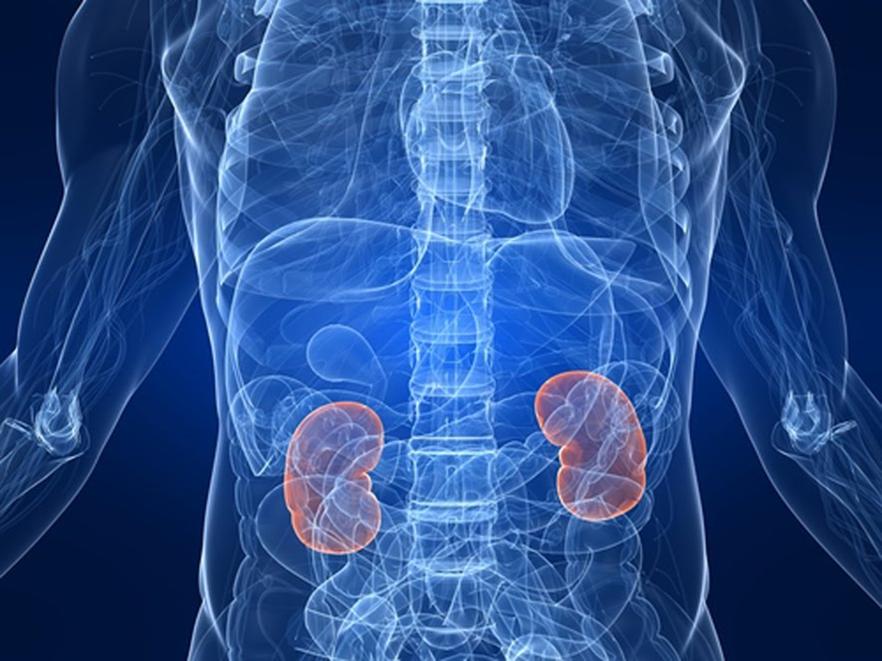
Renal Kidney Function Panel Comprehensive$203
Learn MoreThis panel includes blood and urine tests commonly used by physicians to determine kidney dysfunction: Urinalysis, Comprehensive Metabolic Panel (CMP), Cystatin C and eGFR.
-
D-Dimer Quantitative$184
Learn MoreD-Dimer is one of the by-products that can be measured after the fibrinolytic system is turned on. Fibrinolytic activation and intravascular thrombosis can be measured by the amount of D-Dimer in the blood. D-Dimer is especially helpful when ruling out venous thromboembolism in people who are at high risk.
-
Fibromyalgia Panel$571
Learn MoreWomen and men living with fibromyalgia do not have characteristic or consistent abnormalities on laboratory testing. However, routine laboratory and imaging studies are important to help rule out diseases with similar manifestations and to assist in diagnosis of certain inflammatory diseases that frequently coexist with fibromyalgia. These are the lab tests commonly checked by physicians treating fibromyalgia patients: CMP, CBC, Urinalysis, TSH, Vitamin D & B-12, Iron/TIBC, Magnesium in RBC, ESR, CPK and Ferritin.