Search results for: 'Stress'
-
4-Tube Cortisol-Salivary$199
Learn MoreThis test for adrenal insufficiency includes 4 measurements of your salivary Cortisol level during one day. Cortisol, also known as the "stress hormone" can be either too high or too low which may be a sign of adrenal distress.
-
Ferritin$20
Learn MoreFerritin is a protein that stores iron. Red blood cells need iron to form normally and carry oxygen around your body. Low levels of ferritin lead to iron deficiency anemia, which means you have too few red blood cells. High levels of ferritin can damage your joints, heart, liver, and pancreas.
-
Iron and Total Iron Binding Capacity (TIBC)$24
Learn MoreThe serum iron test measures the amount of iron in your blood. The total iron-binding capacity (TIBC) test looks at how well the iron moves through your body.
-
Fibromyalgia Panel$571
Learn MoreWomen and men living with fibromyalgia do not have characteristic or consistent abnormalities on laboratory testing. However, routine laboratory and imaging studies are important to help rule out diseases with similar manifestations and to assist in diagnosis of certain inflammatory diseases that frequently coexist with fibromyalgia. These are the lab tests commonly checked by physicians treating fibromyalgia patients: CMP, CBC, Urinalysis, TSH, Vitamin D & B-12, Iron/TIBC, Magnesium in RBC, ESR, CPK and Ferritin.
-
Women Ultra Elite Panel$1,312
Learn MoreThis women's ultra elite lab test panel offers the best savings for men to determine their immune health, liver and kidney function, electrolytes, blood sugar, advanced lipid panel, thyroid function, inflammatory markers involved in heart disease, testosterone total and free, urinalysis to determine UTIs and kidney function, ultrasensitive estradiol, DHEA-S, IGF-1, DHT, Prolactin, Progesterone, Estrone, Total Estrogens, vitamins D and B12+ folate, and iron/ferritin to determine fatigue, anemia or increased risk of iron overload.Tests included are:
Complete Blood Count with Differential (CBC)
Comprehensive Metabolic Panel (CMP)
Hemoglobin A1c
Cardio IQ Advanced Lipid Panel
Urinalysis, Complete
TSH
Thyroid Free T3
Thyroid Free T4
Reverse T3
TPO Antibodies
Thyroglobulin Antibodies
Homocysteine
Cardio C-Reactive Protein
CPK
Estradiol, Ultra Sensitive
Testosterone Total & Free (LC/MS- No upper limit)
DHEA – S
Prolactin
DHT
IGF-1
Progesterone
Estrone
Total Estrogens
LH + FSH
Anti-Müllerian Hormone (AMH)
Vitamin D (25OHD)
Vitamin B-12
Folate
Ferritin
Iron & TIBC (Total Iron Binding Capacity) -
Prolactin$44
Learn MoreA prolactin blood test is used by doctors to evaluate sexual dysfunction or very low testosterone blood levels of unknown causes in both men and women.
-
DHEA-Sulfate$43
Learn MoreThe adrenal gland produces a hormone known as dehydroepiandrosterone (DHEA). It is also made in the brain. DHEA leads to the production of androgens and estrogens (male and female sex hormones). DHEA levels in the body begin to decrease after age 30. Lower DHEA levels are found in people with hormonal disorders, HIV/AIDS, Alzheimer's disease, heart disease, depression, diabetes, inflammation, immune disorders, and osteoporosis. Corticosteroids, birth control taken by mouth, and agents that treat psychiatric disorders may reduce DHEA levels.
-
Rheumatoid Arthritis Factor Test$59
Learn MoreThe Rheumatoid Arthritis Factor is often evaluated in patients suspected of having any form of arthritis or destructive articular disease even though positive results can be due to other causes, and negative results do not rule out disease. But, in combination with signs and symptoms, it can play a role in both diagnosis and disease prognosis. It is part of the usual disease criteria of rheumatoid arthritis.
-
C-Reactive Protein- Quantitative (qCRP)$34
Learn MoreA C-Reactive Protein (CRP) Quantitative test is used to aid in the diagnosis of infections or diseases which cause inflammation. CRP is a protein produced by the liver. Higher than normal concentrations of CRP are often an indicator of infection or inflammation in the body. This test can help determine if an infection is present but not the source of the infection. Conditions that can cause elevated CRP levels include but are not limited to Sepsis, Pelvic Inflammatory Disease, Arthritis, Lupus, Vasculitis, and Inflammatory Bowel Disease.
-
Cortisol Blood Test$30
Learn MoreCortisol (hydrocortisone) is the most prominent glucocorticosteroid, and it is essential for the maintenance of several body functions. The most important physiological effects of cortisol are that it raises blood sugar levels (enhances gluconeogenesis, or breaks down glucose) and lowers inflammation and the immune system.
-
Thyroglobulin Antibody$48
Learn MoreThis test measures thyroglobulin antibodies commonly present in patients with Hashimoto's thyroiditis. Antibodies against the protein thyroglobulin can result in the destruction of thyroid cells. This destruction can lead to hypothyroidism. NOTE: Dietary supplements containing biotin may interfere in assays and may skew results to be either falsely high or falsely low. For patients receiving the recommended daily doses of biotin, draw samples at least 8 hours following the last biotin supplementation. For patients on mega doses of biotin supplements, draw samples at least 72 hours following the last biotin supplementation.
-
Reverse T3 Test$86
Learn MoreThe reverse T3 test has to be done at the same time you do the free T3, and you then measure the ratio between the two by dividing the RT3 into the Free T3. The body produces the benign RT3 naturally to rid itself of excess of T4, but in some cases, such as high or low cortisol, RT3 is produced in excess, which can clog cell receptors from receiving T3. FT3 is usually twenty or more times higher than RT3. NOTE: Reverse T3 is analyzed using a specific technique called liquid chromatography/tandem mass spectrometry (LC/MS-MS). There's a special place in the U.S. where these precise machines needed for LC/MS panels run only on two specific days a week. So, sometimes the clock ticks a bit while we wait for samples to return from their initial collection points. Results may take 7 business days.
-
GGT -Gamma Glutamyl Transpeptidase Liver Enzyme$46
Learn MoreThe GGT bood test looks for an enzyme, or protein, called gamma-glutamyl transpeptidase (GGT) in your blood. GGT is found in liver cells. This test helps your doctor look for possible damage to your liver or its ducts. It can also help tell the difference between liver and bone disease if your results from a different blood test called alkaline phosphatase are abnormal. Higher than normal test results could be a sign of liver damage from diseases such as hepatitis, cirrhosis, tumors, or pancreatic cancer. But a higher than normal GGT level does not tell you the specific cause of liver disease or damage.
-
THYROID Stimulating Hormone-TSH$21
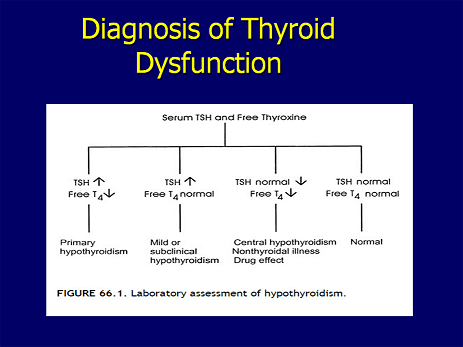
Learn MoreThe thyroid stimulating hormone (TSH) is produced and secreted by the pituitary gland and stimulates the thyroid to produce T3 and T4. When TSH is elevated, low thyroid function may be indicated. If TSH is low it is indicative of high thyroid function. A study found that TSH was suppressed in all subjects after food, so fasting may be suggested although it is not reqired by Quest. Free T4 and Free T4 values did not change significantly after eating.
-
CBC with Differential$16
Learn MoreA complete blood count CBC with differential test panel measures several components of your blood including:Red blood cells, which carry oxygen, White blood cells, which fight infection, Hemoglobin, the oxygen-carrying protein in red blood cells, Hematocrit, the proportion of red blood cells to the fluid component in your blood (which correlated with blood thickness), and Platelets, which help with blood clotting. This is also called Complete Blood Count (CBC) with Differential and Platelets Blood Test
-
Thyroxine-binding Globulin (TBG), Serum$316
Learn MoreThyroxine-binding globulin (TBG) is a globulin that binds thyroid hormones in circulation. It is one of three transport proteins (along with transthyretin and serum albumin) responsible for carrying the thyroid hormones thyroxine (T4) and triiodothyronine (T3) in the bloodstream. Of these three proteins, TBG has the highest affinity for T4 and T3 but is present in the lowest concentration. Despite its low concentration, TBG carries the majority of T4 in the blood plasma.
-
Aldosterone, serum$133
Learn MoreAldosterone (ALD) is one of a group of connected hormones. They form the renin-angiotensin-aldosterone system; this system is activated when there is a decrease in blood flow to your kidneys following a drop in blood volume or blood pressure
-
Progesterone, LC/MS$148
Learn MoreThis is the most accurate progesterone test that has no potential interactions and can detect very low levels in men and women. Since it is performed with liquid chromatography and mass spectrometry, results are available after 5 to 7 business days.
-
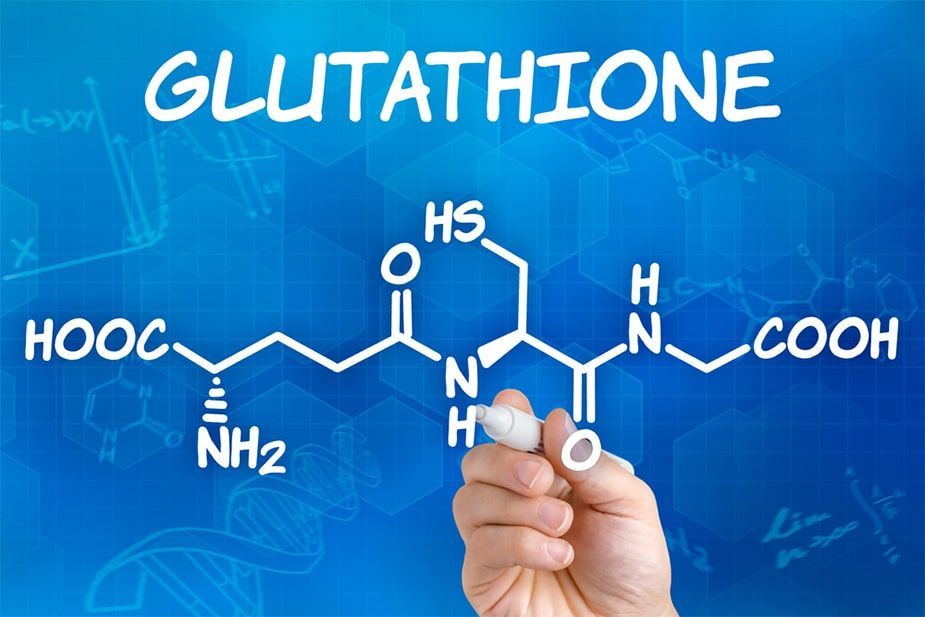
Glutathione Blood Test$202
Learn MoreBoth chronically low and high levels of glutathione in the body are indicative of potentially debilitating health problems. Glutathione level is a crucial marker for many diseases, both chronic and acute. Given the importance of this protein to human health; discovering your glutathione levels could be one more way to monitor health levels, immune function, and the potential risk of diseases that have been associated with chronically low or high levels of this essential peptide.
-
Water Retention Panel: Aldosterone/Plasma Renin Activity Ratio, LC/MS/MS$204
Learn MoreRenin, also known as angiotensinogenase, is an enzyme that the kidneys produce to regulate aldosterone production. It’s also essential in the renin–angiotensin aldosterone system (RAAS) which maintains your body’s fluid balance and blood pressure. Aldosterone is the primary of several endogenous members of the class of mineralocorticoids in humans. Aldosterone tends to promote sodium and water retention, and lower plasma postasium concentrations.
-
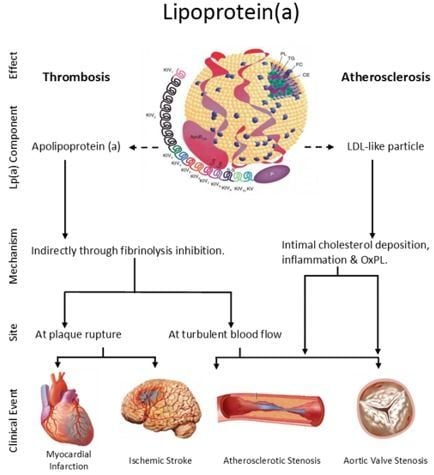
Lipoprotein a Test$76
Learn MoreLipoprotein (a) has been called a powerful predictor of premature atherosclerotic vascular disease. As an independent risk factor for premature coronary artery disease, excess Lp(a) concentrations are associated with an increased risk of cardiac death in patients with acute coronary syndromes and with restenosis after angioplasty (PTCA) and coronary bypass procedures. In general, concentrations greater than or equal to 75 nmol/L of Lp(a) in serum are associated with a two- to sixfold increase in risk, depending on the presence of other risk factors.
-
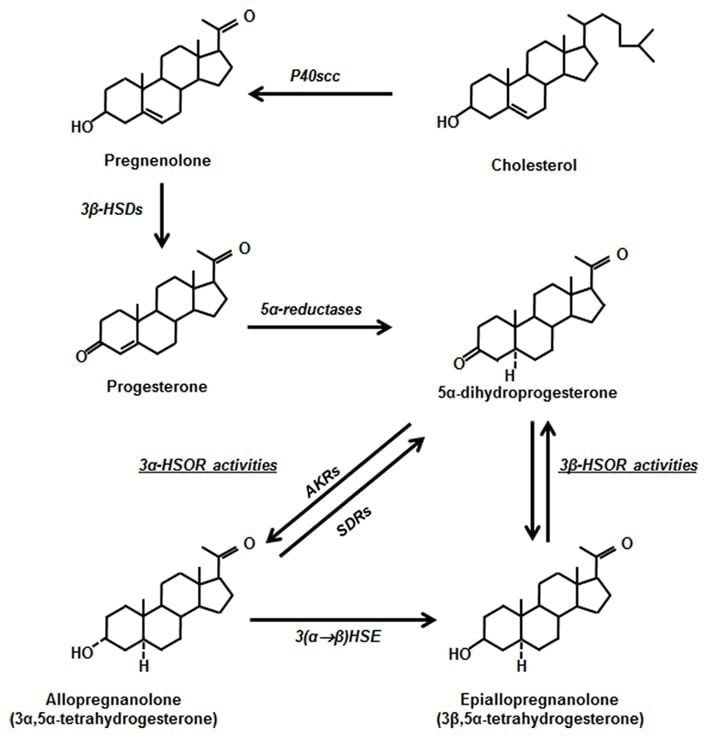
Pregnenolone$126
Learn MorePregnenolone is known as the mother hormone. All other steroids including testosterone and estrogen are derived from this important hormone. For this reason, optimal blood levels of pregnenolone are critical for a healthy hormone balance. This test uses liquid chromatography/mass spectrometry, the most accurate assay for hormones.
-
Growth Hormone Blood Test$68
Learn MoreA single fasting growth hormone (GH) level is of limited value. The secretion of GH is episodic and pulsatile. GH has a half-life of 20 to 25 minutes. Testing for growth hormone deficiency or excess is best done as part of a dynamic test involving specific stimuli (see the online Endocrine Appendices: Growth Hormone Stimulation and Growth Hormone Suppression). Insulin-like growth factor-1 can also be useful in assessing growth hormone status.
-
C-Reactive Protein- High Sensitivity hs-CRP$43
Learn MoreThis high sensitivity CRP test is used along other blood markers to assess a patient's potential risk for cardiovascular disease. To illustrate the difference between CRP and hs-CRP, traditional testing measures CRP (quantitative) within the range of 10 to 1,000 mg/L, whereas hs-CRP values range from 0.5 to 10 mg/L. In simpler terms, hs-CRP measures trace amounts of CRP in the blood. Hs-CRP is the analyte of choice for cardiovascular risk assessment
-
THYROID Peroxidase Antibodies - TPO Antibodies$36
Learn MoreThe determination of TPO antibody levels is the most sensitive test for detecting autoimmune thyroid disease (eg, Hashimoto's thyroiditis, idiopathic myxedema, and Graves disease) and detectable concentrations of anti-TPO antibodies are observed in most patients with these disorders. The highest TPO antibody levels are observed in patients suffering from Hashimoto thyroiditis. In this disease, the prevalence of TPO antibodies is about 90% of cases, confirming the autoimmune origin of the disease. These autoantibodies also frequently occur (60%–80%) in the course of Graves disease.
-
CA125 Blood Test$35
Learn MoreThe CA 125 level can help doctors understand how to manage patients with ovarian cancer. However, the CA 125 blood test is not advised for women who are at average risk for ovarian cancer.
Women with ovarian cancer usually have high levels of CA 125. However, a high CA 125 level does not always mean you have ovarian cancer. Some women who have ovarian cancer may never show a high CA 125 level.
-
ACTH Test$89
Learn MoreThis test measures levels of drenocorticotropic hormone (ACTH), which is also called adrenocorticotropin and corticotropin, a hormone made in the anterior pituitary gland that tells the adrenal glands to release cortisol, DHEA, and aldosterone. The ACTH plasma test quantifies the blood's level of ACTH. A patient's blood is drawn for the test and then sent to a lab for examination. The test findings enable the diagnosis of ailments such as Addison's disease, Cushing's syndrome, and adrenal tumors
-
MTHFR Test- DNA mutation Analysis of Methylenetetrahydrofolate Reductase$800
Learn MoreQuest Diagnostics test code 17911 is for a DNA mutation analysis of Methylenetetrahydrofolate Reductase (MTHFR). The test determines if a patient has one, two, or no copies of either of the two mutations in the MTHFR gene, C677T and A1298C.
Changes in the methylenetetrahydrofolate reductase gene can lead to certain health conditions. One of them is hyperhomocysteinemia (high blood levels of homocysteine), which is a risk factor for cerebrovascular disease, cerebral vein thrombosis, coronary artery disease, myocardial infarction, and venous thrombosis. At least 40 mutations in the MTHFR gene have been identified in people with homocystinuria, a disorder in which the body is unable to process certain amino acids properly.
-
Progesterone$40
Learn MoreProgesterone is a female hormone important for the regulation of ovulation and menstruation. It is also present in men in smaller concentrations. Progesterone is a steroid hormone that plays numerous roles within the human body. It is crucial to the production of sex hormones and corticosteroids, as well as playing a role as a neuro-steroid (brain function).
-
Magnesium, Red Blood Cell (RBC) Content$69
Learn MoreA Magnesium RBC test can provide an earlier indicator of magnesium deficiency that a standard magnesium blood test. When levels are low, the body will pull magnesium from the cells to keep blood levels normal. In this case, a magnesium blood test may show normal levels while a magnesium RBC test will give a more accurate result.
-
Hair Loss Test Panel$420
Learn MoreThis lab test panel includes main blood test makers involved in hair loss in women and men: Complete Blood Count (CBC)- Can detect potential low hemoglobin and infections that can lead to hair loss. Ferritin- Low ferritin, an iron storage protein, has been linked to hair loss and slow down of hair growth. Iron and Total Iron Capacity (TIBC)- Low iron anemia has been linked to hair loss. Hyperandrogenism: Excessive male hormones (androgens): Total Testosterone (LC/MS), Free Testosterone (Equilibrium Ultrafiltration), DHEA-S, Dihydrotestosterone (DHT) Hypothyroidism and Hyperthyroidism: Thyroid Stimulation Hormone (TSH), Free Triidothyronine (Free T3)
-
CPK Blood Test (Creatine Phosphokinase)$24
Learn MoreCPK is creatine phosphokinase, an enzyme in the heart, brain, and skeletal muscle. High CPK can indicate muscle destruction, heart attacks, and central nervous system issues. Long-term exposure to high CPK can load up your kidneys and cause muscle loss and weakness. Sometimes we have no symptoms when CPK is high, but most of the time, we have body aches and soreness. Resistance training can raise CPK, so stop working out for at least five days before the CPK test.
-
Complete Hormone & Wellness Panel for MEN$499
Learn MoreThis panel is the most inclusive of all offered on the site for men who want a wide picture of their health or who are considering starting testosterone replacement therapy. It provides a baseline overview of your sex hormones, thyroid gland, adrenal function, metabolic function, cholesterol, prostate, and overall health. Tests included:
- CBC
- CMP
- Lipid Panel
- Testosterone
- Total (LC/MS) Estradiol, Ultra Sensitive
- DHEA-s
- TSH
- Free T3
- PSA
- LH
- FSH