Search results for: 'tell'
-
GGT -Gamma Glutamyl Transpeptidase Liver Enzyme$46
Learn MoreThe GGT bood test looks for an enzyme, or protein, called gamma-glutamyl transpeptidase (GGT) in your blood. GGT is found in liver cells. This test helps your doctor look for possible damage to your liver or its ducts. It can also help tell the difference between liver and bone disease if your results from a different blood test called alkaline phosphatase are abnormal. Higher than normal test results could be a sign of liver damage from diseases such as hepatitis, cirrhosis, tumors, or pancreatic cancer. But a higher than normal GGT level does not tell you the specific cause of liver disease or damage.
-
ACTH Test$89
Learn MoreThis test measures levels of drenocorticotropic hormone (ACTH), which is also called adrenocorticotropin and corticotropin, a hormone made in the anterior pituitary gland that tells the adrenal glands to release cortisol, DHEA, and aldosterone. The ACTH plasma test quantifies the blood's level of ACTH. A patient's blood is drawn for the test and then sent to a lab for examination. The test findings enable the diagnosis of ailments such as Addison's disease, Cushing's syndrome, and adrenal tumors
-
Urinalysis, Complete, with Reflex to Culture$21
Learn MoreUrinalysis with reflex to culture testing is done when the first urinalysis results are not normal or when doctors think the person might have a urinary tract infection, kidney disease, or another problem with their urinary tract. Several conditions may necessitate urinalysis with reflex testing. Urinary tract infections (UTIs) are a common reason for reflex testing, as it helps healthcare providers identify the specific bacteria causing the infection and determine the most effective antibiotic treatment. Kidney diseases, such as glomerulonephritis or renal tubular acidosis, may also require reflex testing for accurate diagnosis and management. Conditions like hematuria (blood in urine) or proteinuria (protein in urine) warrant further investigation, as they may indicate underlying kidney disease or urinary tract neoplasms. Pregnant women may undergo reflex testing to monitor for gestational diabetes and preeclampsia. NOTE: You need to visit the lab near you to submit two separate specimens in containers provided by the lab. NOTE: The culture will ONLY be performed if any of the following Urinalysis results are applicable:
•Presence of Leukocyte esterase alone
•Presence of WBCs (>5/hpf) alone
•Presence of Yeast
•Presence of Bacteria and the presence of WBCs (>5/hpf) or Leukocyte esterase
•Presence of Nitrite and the presence of WBCs (>5/hpf) or Leukocyte esterase -
Alkaline Phosphatase Isoenzymes$99
Learn MoreAlkaline Phosphatase (AP) The isoenzymes test, a diagnostic tool, measures the various forms of alkaline phosphatase (ALP) enzyme that are present in the blood. The body has the enzyme ALP in a variety of tissues, with the liver, bones, kidneys, and intestines having the largest quantities. Isoleucines are the slightly different forms of ALP that various tissues produce.
-
Cystatin C test with EGFR$298
Learn MoreThe cystatin C test (which also includes estimated creatinine clearance eGFR) can be done along with the creatinine or creatinine clearance test in cases where those tests aren’t appropriate, such as patients taking creatine supplements for bodybuilding. These supplements can increase creatinine and decrease creatinine clearance, which can alarm doctors who fear kidney dysfunction. This creatinine increase is not clinically relevant, but running a Cystatin C test can give physicians reassurance and allow the patient to keep taking that effective bodybuilding supplement.
-
ESTRADIOL Ultra Sensitive (LC/MS) Blood Test$39
Learn MoreThis ultrasensitive estradiol test is recommended for men. The commonly used estradiol test may overestimate estradiol in men. That test uses immunoassay technology that cannot differentiate C-Reactive Protein (involved in inflammation) from estradiol, so it reads the combination of the two as estradiol. This ultrasensitive estradiol test is based on liquid chromatography/mass spectrometry (LC/MS), an assay technology that does not have that limitation.
Important note: The blood sample is sent out to Quest Diagnostics Nichols Institute San Juan Capistrano, Caifornia. Overnight delivery and testing is performed on Sunday and Friday. Reports are available within 5-7 business days from the time the specimen is collected.
-
D-Dimer Quantitative$184
Learn MoreD-Dimer is one of the by-products that can be measured after the fibrinolytic system is turned on. Fibrinolytic activation and intravascular thrombosis can be measured by the amount of D-Dimer in the blood. D-Dimer is especially helpful when ruling out venous thromboembolism in people who are at high risk.
-
Fibromyalgia Panel$571
Learn MoreWomen and men living with fibromyalgia do not have characteristic or consistent abnormalities on laboratory testing. However, routine laboratory and imaging studies are important to help rule out diseases with similar manifestations and to assist in diagnosis of certain inflammatory diseases that frequently coexist with fibromyalgia. These are the lab tests commonly checked by physicians treating fibromyalgia patients: CMP, CBC, Urinalysis, TSH, Vitamin D & B-12, Iron/TIBC, Magnesium in RBC, ESR, CPK and Ferritin.
-
PSA$25
Learn MoreProstate Specific Antigen (PSA) is produced exclusively by cells of the prostate gland. Used in conjunction with the digital rectal examination, PSA is a useful screening test for benign prostate enlargement, prostatitis and prostate cancer development.
-
Insulin Fasting Blood Test$26
Learn MoreThe fasting insulin test is a blood test that measures the level of insulin in your blood after you have fasted (not eaten or drunk anything except water) for at least 8 hours. Insulin is a hormone produced by the pancreas that helps regulate blood sugar levels. The fasting insulin test is often used to help diagnose conditions such as insulin resistance, prediabetes, and type 2 diabetes. It may also be ordered to monitor the effectiveness of treatment for these conditions. The test is usually done in the morning, after an overnight fast. The test results will be reported in units of insulin per liter of blood (U/L). It is important to note that the interpretation of a fasting insulin test may vary depending on the individual's medical history and other factors. A healthcare provider should be consulted to interpret the test results correctly.
-
C-Reactive Protein- Quantitative (qCRP)$34
Learn MoreA C-Reactive Protein (CRP) Quantitative test is used to aid in the diagnosis of infections or diseases which cause inflammation. CRP is a protein produced by the liver. Higher than normal concentrations of CRP are often an indicator of infection or inflammation in the body. This test can help determine if an infection is present but not the source of the infection. Conditions that can cause elevated CRP levels include but are not limited to Sepsis, Pelvic Inflammatory Disease, Arthritis, Lupus, Vasculitis, and Inflammatory Bowel Disease.
-
ESR Blood Test: Erythrocyte Sedimentation Rate Westergren$56
Learn MoreThe erythrocyte sedimentation rate (ESR or sed rate) is the rate at which red blood cells sediment in a period of one hour. It is a common hematology test and is a non-specific measure of inflammation. To perform the test, anticoagulated blood is traditionally placed in an upright tube, known as a Westergren tube, and the rate at which the red blood cells fall is measured and reported in mm at the end of one hour. Elevated levels of ESR are usually found in people who have different types of diseases, such as autoimmune disease, anemia, kidney disease, cancer, and other health complications.
-
Cortisol Blood Test$30
Learn MoreCortisol (hydrocortisone) is the most prominent glucocorticosteroid, and it is essential for the maintenance of several body functions. The most important physiological effects of cortisol are that it raises blood sugar levels (enhances gluconeogenesis, or breaks down glucose) and lowers inflammation and the immune system.
-
Free Triiodothyronine T3$55
Learn MoreT3 or triiodothyronine is the active form of the thyroid hormone. T3 acts as a metabolic throttle for fueling all of the daily cellular functions. Free T3 is the unbound portion of T3 that is biologically active.
-
Thyroglobulin Antibody$48
Learn MoreThis test measures thyroglobulin antibodies commonly present in patients with Hashimoto's thyroiditis. Antibodies against the protein thyroglobulin can result in the destruction of thyroid cells. This destruction can lead to hypothyroidism. NOTE: Dietary supplements containing biotin may interfere in assays and may skew results to be either falsely high or falsely low. For patients receiving the recommended daily doses of biotin, draw samples at least 8 hours following the last biotin supplementation. For patients on mega doses of biotin supplements, draw samples at least 72 hours following the last biotin supplementation.
-
THYROID Stimulating Hormone-TSH$21
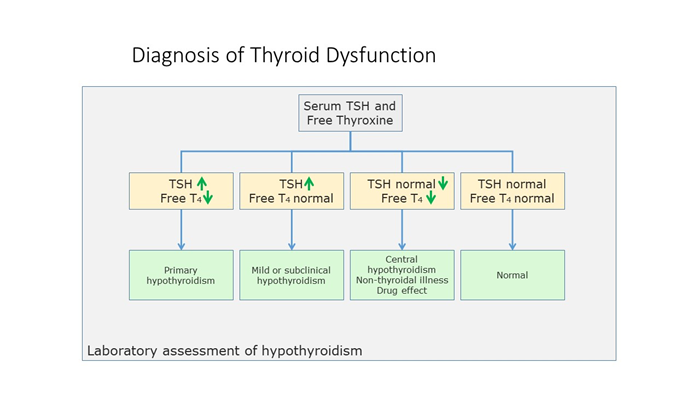
Learn MoreThe thyroid stimulating hormone (TSH) is produced and secreted by the pituitary gland and stimulates the thyroid to produce T3 and T4. When TSH is elevated, low thyroid function may be indicated. If TSH is low it is indicative of high thyroid function. A study found that TSH was suppressed in all subjects after food, so fasting may be suggested although it is not reqired by Quest. Free T4 and Free T4 values did not change significantly after eating.
-
hCG Pregnancy Test$35
Learn MoreA blood pregnancy test is a medical test used to determine if a woman is pregnant by detecting the presence of the hormone hCG in her blood. Shortly after the fertilized egg implants into the uterine lining, the developing placenta produces the hormone known as hCG. This test is the Quantitative hCG test (also known as a beta hCG test) and measures the specific amount of hCG present in the blood. It can help determine how far along a pregnancy is, monitor the progress of the pregnancy, and detect potential issues like an ectopic pregnancy or a miscarriage.
Blood pregnancy tests are more sensitive than over-the-counter urine pregnancy tests and can detect pregnancy earlier – as soon as 6 to 8 days after ovulation.
-
THYROID Panel (TSH + Free T3 + Free T4)$100
Learn MoreThis panel includes comprehensive testing of the thyroid stimulating hormone (TSH) in addition to free thyroxine (T4) and free triiodothyronine (T3).
-
17 Hydroxyprogesterone Test$178
Learn MoreTo find out if sperm count is normalized in men using hCG plus TRT, several studies have found that 17OH-P blood level is correlated to intratesticular testosterone (ITT) required for the testicles to make sperm, so testing for this hormone could not only save time while optimizing HCG dose/frequency but also eliminate the need to perform testicular aspirations, a very difficult procedure to do. Sperm count does not stabilize until 6-8 weeks after starting hCG plus TRT, so knowing your 17OH-progesterone blood level can give you a quick way to determine if your hCG dose and frequency is adequate before your first follow-up semen analysis after 8 weeks.
-
CBC with Differential$16
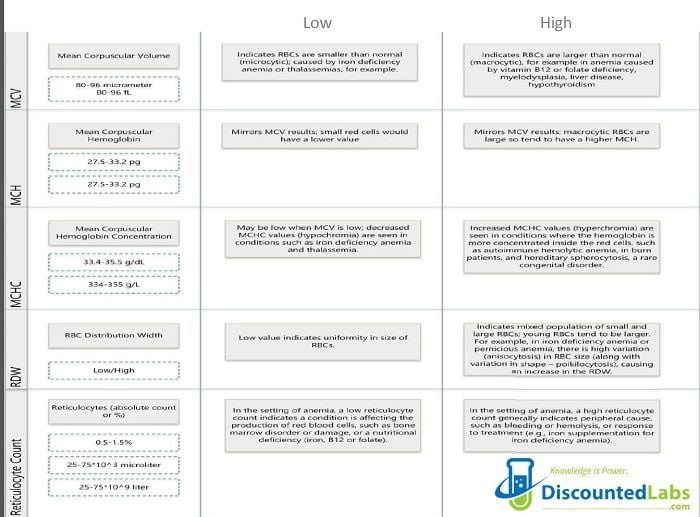
Learn MoreA complete blood count CBC with differential test panel measures several components of your blood including:Red blood cells, which carry oxygen, White blood cells, which fight infection, Hemoglobin, the oxygen-carrying protein in red blood cells, Hematocrit, the proportion of red blood cells to the fluid component in your blood (which correlated with blood thickness), and Platelets, which help with blood clotting. This is also called Complete Blood Count (CBC) with Differential and Platelets Blood Test
-
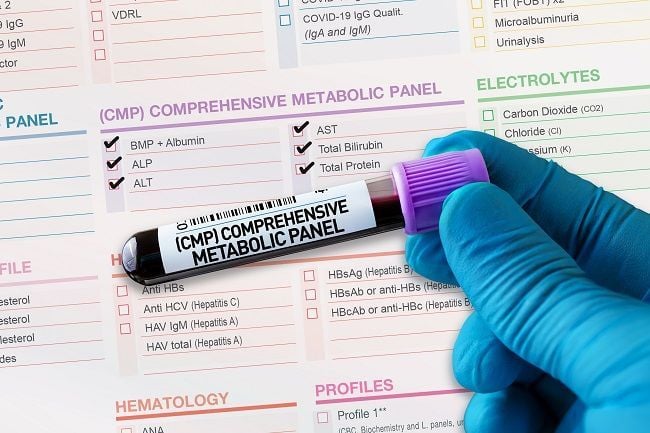
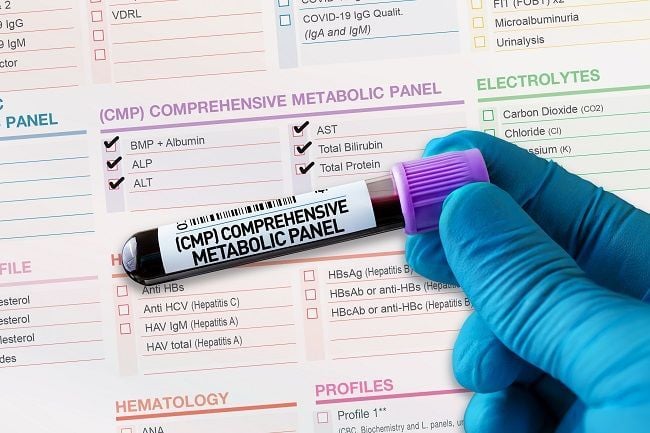
CMP Panel - Comprehensive Metabolic Panel$19
Learn MoreIncludes liver and kidney function, glucose and electrolytes
-
Glucose Tolerance Test (GTT), 2 Specimens$85
Learn MoreThe glucose tolerance test is a medical test in which glucose is given and blood samples taken afterward to determine how quickly it is cleared from the blood. The test is usually used to test for diabetes, insulin resistance, impaired beta cell function, and sometimes reactive hypoglycemia and acromegaly, or rarer disorders of carbohydrate metabolism. In the most commonly performed version of the test, an oral glucose tolerance test (OGTT), a standard dose of glucose is ingested by mouth and glucose blood levels are checked right after ingestion and then two hours later.
-
Mononucleosis Test: Epstein-Barr Virus (EBV) Antibodies Panel$379
Learn MoreEpstein-Barr (EB) virus is a herpes group virus that is ubiquitous. It leads to infectious mononucleosis and may play a role in the development of Burkitt lymphoma, some nasopharyngeal carcinomas, and a few rare genetic lymphoproliferative disorders. Antibodies to early antigen, IgM and IgG antibodies to viral capsid antigen (VCA), and antibodies to Epstein-Barr nuclear antigen (EBNA) are all part of the EBV test.
-
Creatine Kinase (CK) or CPK , Total Plus Isoenzymes Test$95
Learn MoreThis lab test panel includes Total CK (or CPK) and relative percentage of BB (CK-1), MB (CK-2), and MM (CK-3); the percentage of macro CK, if present. The CK or CPK isoenzyme test is used to diagnose myocardial infarction (MI). Three fractions normally may be found, each an isoenzyme: • MM is found in normal serum. • MB is the myocardial fraction associated with MI and occurs in certain other states. MB can be used in the estimation of infarct size.
-
Prothrombin with INR and Partial Thromboplastin Times (PTT)$37
Learn MoreThe tests are usually ordered for patients prior to surgery to ensure normal clotting ability. The PT and PTT Blood Tests are useful in the diagnosis of excessive, unexplained bleeding in patients who are not taking blood-thinning medications. These bleeding disorders include conditions such as nosebleeds, bruising, heavy menstrual periods, blood in the stool and/or urine, and bleeding gums, among others,
-
Water Retention Panel: Aldosterone/Plasma Renin Activity Ratio, LC/MS/MS$204
Learn MoreRenin, also known as angiotensinogenase, is an enzyme that the kidneys produce to regulate aldosterone production. It’s also essential in the renin–angiotensin aldosterone system (RAAS) which maintains your body’s fluid balance and blood pressure. Aldosterone is the primary of several endogenous members of the class of mineralocorticoids in humans. Aldosterone tends to promote sodium and water retention, and lower plasma postasium concentrations.
-
ApoB Test$50
Learn MoreApoB Blood Test has been reported to be a powerful indicator of Coronary Artery Disease (CAD). In some patients with CAD, APO B is elevated even in the presence of normal LDL cholesterol. Instead of non-HDL-C levels, ApoB levels may be used to check how well lipid treatment is working. Non-HDL-C is the total cholesterol concentration minus the amount of HDL. A healthcare practitioner may order both an lipoprotein a (associated with high-density lipoprotein (HDL), the "good" cholesterol) and an apo B to determine an apo B/apo A-I ratio. This ratio is sometimes used as an alternative to a total cholesterol/HDL ratio to evaluate risk for developing CVD.
-
Quantiferon Gold Plus TB Test$267
Learn MoreThis is the lowest QuantiFERON Gold test price in the United States. It is also the most accurate TB test you can buy online without a doctor's visit. The price includes the doctor's order. No hidden fees or surprise bills.
This is the gold standard for the IGRA TB test. The 1 Tube QuantiFERON®-TB Gold Plus is an indirect test for M. tuberculosis infection TB (including disease) and is intended for use in conjunction with risk assessment, radiography, and other medical and diagnostic evaluations. This test does not differentiate between latent and active TB. All institutions, the US government, employers, and agencies accept this test.
-
Pregnenolone$126
Learn MorePregnenolone is known as the mother hormone. All other steroids including testosterone and estrogen are derived from this important hormone. For this reason, optimal blood levels of pregnenolone are critical for a healthy hormone balance. This test uses liquid chromatography/mass spectrometry, the most accurate assay for hormones.
-
Testosterone, Free (Equilibrium Dialysis) and Total, MS$49
Learn MoreTHIS IS THE MOST AFFORDABLE TESTOSTERONE TEST IN THE U.S. The most accurate way to measure total testosterone is with liquid chromatography/mass spectrometry. This panel also shows free testosterone percent by equilibrium dialysis and free testosterone calculated from percent free T. This test is more accurate for low and high testosterone blood levels (for men who expect high testosterone blood levels over 1,500 ng/dL, women, and children who usually have low T levels). It has no interferences with supplements or anabolics. Note: Results may take 5-7 business days. For a faster turnaround, choose this test instead: Testosterone, Free, Bioavailable and Total (With Lower & Upper Limit) plus SHBG
-
Homocysteine$41
Learn MoreElevated levels of homocysteine in the blood, known as hyperhomocysteinemia, have been linked to an increased risk of cardiovascular disease, including heart attack and stroke. High homocysteine levels may also be associated with an increased risk of certain other health conditions, such as osteoporosis and pregnancy complications.
-
C-Peptide Test$63
Learn MorePatients with diabetes may get a C-peptide test as a means of distinguishing type 1 diabetes from type 2 diabetes or Maturity onset diabetes of the young (MODY). Measuring C-peptide can help to determine how much of their own natural insulin a person is producing as C-peptide is secreted in equimolar amounts to insulin. C-peptide levels are measured instead of insulin levels because C-peptide can assess a person's own insulin secretion even if they receive insulin injections, and because the liver metabolizes a large and variable amount of insulin secreted into the portal vein but does not metabolize C-peptide, meaning blood C-peptide may be a better measure of portal insulin secretion than insulin itself.
-
C-Reactive Protein- High Sensitivity hs-CRP$43
Learn MoreThis high sensitivity CRP test is used along other blood markers to assess a patient's potential risk for cardiovascular disease. To illustrate the difference between CRP and hs-CRP, traditional testing measures CRP (quantitative) within the range of 10 to 1,000 mg/L, whereas hs-CRP values range from 0.5 to 10 mg/L. In simpler terms, hs-CRP measures trace amounts of CRP in the blood. Hs-CRP is the analyte of choice for cardiovascular risk assessment
-
Autoimmune Antibodies: ANA Screen, IFA, with Reflex to Titer and Pattern$30
Learn MoreThis test measures ANA Screen, IFA, with Reflex to Titer and Pattern - Several rheumatic diseases are linked to antinuclear antibodies. These include Systemic Lupus Erythematous (SLE), mixed connective tissue disease, Sjogren's syndrome, scleroderma, polymyositis, CREST syndrome, and neurologic SLE. LOWEST PRICE.
-
CA125 Blood Test$35
Learn MoreThe CA 125 level can help doctors understand how to manage patients with ovarian cancer. However, the CA 125 blood test is not advised for women who are at average risk for ovarian cancer.
Women with ovarian cancer usually have high levels of CA 125. However, a high CA 125 level does not always mean you have ovarian cancer. Some women who have ovarian cancer may never show a high CA 125 level.
-
MTHFR Test- DNA mutation Analysis of Methylenetetrahydrofolate Reductase$800
Learn MoreQuest Diagnostics test code 17911 is for a DNA mutation analysis of Methylenetetrahydrofolate Reductase (MTHFR). The test determines if a patient has one, two, or no copies of either of the two mutations in the MTHFR gene, C677T and A1298C.
Changes in the methylenetetrahydrofolate reductase gene can lead to certain health conditions. One of them is hyperhomocysteinemia (high blood levels of homocysteine), which is a risk factor for cerebrovascular disease, cerebral vein thrombosis, coronary artery disease, myocardial infarction, and venous thrombosis. At least 40 mutations in the MTHFR gene have been identified in people with homocystinuria, a disorder in which the body is unable to process certain amino acids properly.
-
CPK Blood Test (Creatine Phosphokinase)$24
Learn MoreCPK is creatine phosphokinase, an enzyme in the heart, brain, and skeletal muscle. High CPK can indicate muscle destruction, heart attacks, and central nervous system issues. Long-term exposure to high CPK can load up your kidneys and cause muscle loss and weakness. Sometimes we have no symptoms when CPK is high, but most of the time, we have body aches and soreness. Resistance training can raise CPK, so stop working out for at least five days before the CPK test.
-
Progesterone$40
Learn MoreProgesterone is a female hormone important for the regulation of ovulation and menstruation. It is also present in men in smaller concentrations. Progesterone is a steroid hormone that plays numerous roles within the human body. It is crucial to the production of sex hormones and corticosteroids, as well as playing a role as a neuro-steroid (brain function).
-
Hematocrit HCT Blood Test$11
Learn MoreThe volume measurement, or hct blood test, is the proportion of blood that the red blood cells take up. Hemoglobin, on the other hand, is a density or concentration measurement and is expressed in grams per liter or deciliter. (Hemoglobin is, if you will recall from your high school biology, the iron-based protein that transports oxygen.) RBC is a simple count and is usually expressed as the number of million red blood cells that you have per microliter. Usually, hematocrit is three times the amount of hemoglobin.
Testosterone replacement therapy (TRT) increases hematocrit in most men. Read more about how to decrease hematocrit.
NOTE: Hematocrit is also part of the CBC panel, so there is no need to order separately if your order already includes CBC.