Search results for: 'energy'
-
Folate, Serum$58
Learn MoreB12 and folic acid blood testing help doctors diagnose central nervous system disorders, anemia, and malabsorption syndromes. B12 and folic acid also play an important role in energy level, muscle strength and memory. Because B12 and folate are derived solely from dietary intake, such as egg yolks, beef, poultry and fish, many people are deficient in these important vitamins.
-
Ferritin$20
Learn MoreFerritin is a protein that stores iron. Red blood cells need iron to form normally and carry oxygen around your body. Low levels of ferritin lead to iron deficiency anemia, which means you have too few red blood cells. High levels of ferritin can damage your joints, heart, liver, and pancreas.
-
Hematocrit HCT Blood Test$11
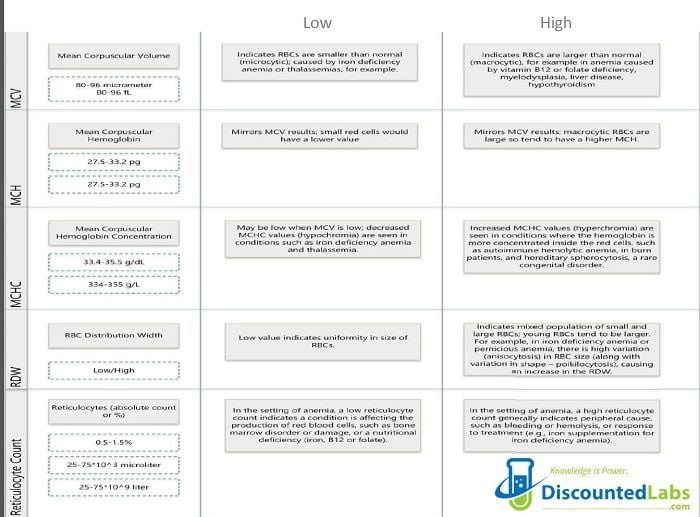
Learn MoreThe volume measurement, or hct blood test, is the proportion of blood that the red blood cells take up. Hemoglobin, on the other hand, is a density or concentration measurement and is expressed in grams per liter or deciliter. (Hemoglobin is, if you will recall from your high school biology, the iron-based protein that transports oxygen.) RBC is a simple count and is usually expressed as the number of million red blood cells that you have per microliter. Usually, hematocrit is three times the amount of hemoglobin.
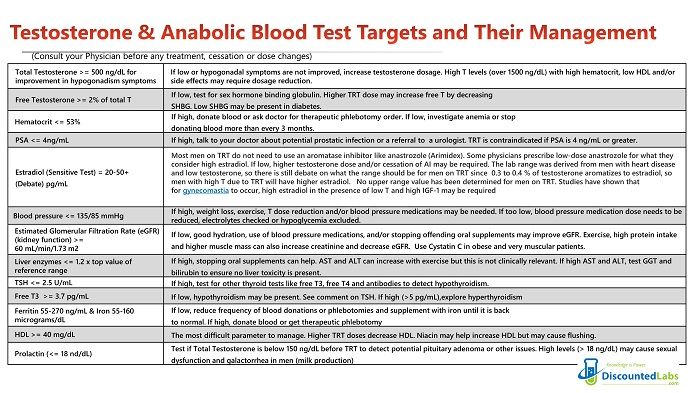
Testosterone replacement therapy (TRT) increases hematocrit in most men. Read more about how to decrease hematocrit.
NOTE: Hematocrit is also part of the CBC panel, so there is no need to order separately if your order already includes CBC.
-
Insulin Fasting Blood Test$26
Learn MoreThe fasting insulin test is a blood test that measures the level of insulin in your blood after you have fasted (not eaten or drunk anything except water) for at least 8 hours. Insulin is a hormone produced by the pancreas that helps regulate blood sugar levels. The fasting insulin test is often used to help diagnose conditions such as insulin resistance, prediabetes, and type 2 diabetes. It may also be ordered to monitor the effectiveness of treatment for these conditions. The test is usually done in the morning, after an overnight fast. The test results will be reported in units of insulin per liter of blood (U/L). It is important to note that the interpretation of a fasting insulin test may vary depending on the individual's medical history and other factors. A healthcare provider should be consulted to interpret the test results correctly.
-
Urinalysis$15
Learn MoreThe Urinalysis test panel screens for a variety of conditions including urinary tract infections ( UTI ), urinary bladder disease, kidney disease and diabetes. Tests included: Color, Appearance, Specific gravity, pH, Protein, Glucose, Occult blood, Ketones, Leukocyte esterase, Nitrite, Bilirubin, Urobilinogen, and Microscopic examination of urine sediment
-
DHEA-Sulfate$43
Learn MoreThe adrenal gland produces a hormone known as dehydroepiandrosterone (DHEA). It is also made in the brain. DHEA leads to the production of androgens and estrogens (male and female sex hormones). DHEA levels in the body begin to decrease after age 30. Lower DHEA levels are found in people with hormonal disorders, HIV/AIDS, Alzheimer's disease, heart disease, depression, diabetes, inflammation, immune disorders, and osteoporosis. Corticosteroids, birth control taken by mouth, and agents that treat psychiatric disorders may reduce DHEA levels.
-
Vitamin B12$58
Learn MoreVitamin B-12 is an essential vitamin. Low blood levels of B12 can cause: Anemia and pernicious anemia, loss of balance , numbness or tingling in the arms and legs, and weakness
-
Free Triiodothyronine T3$55
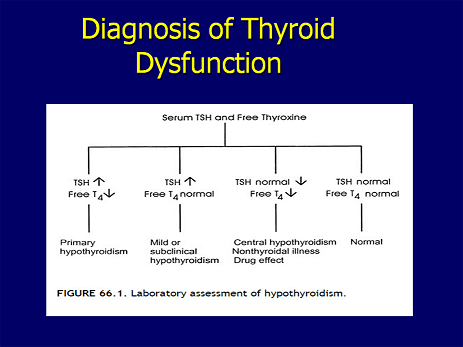
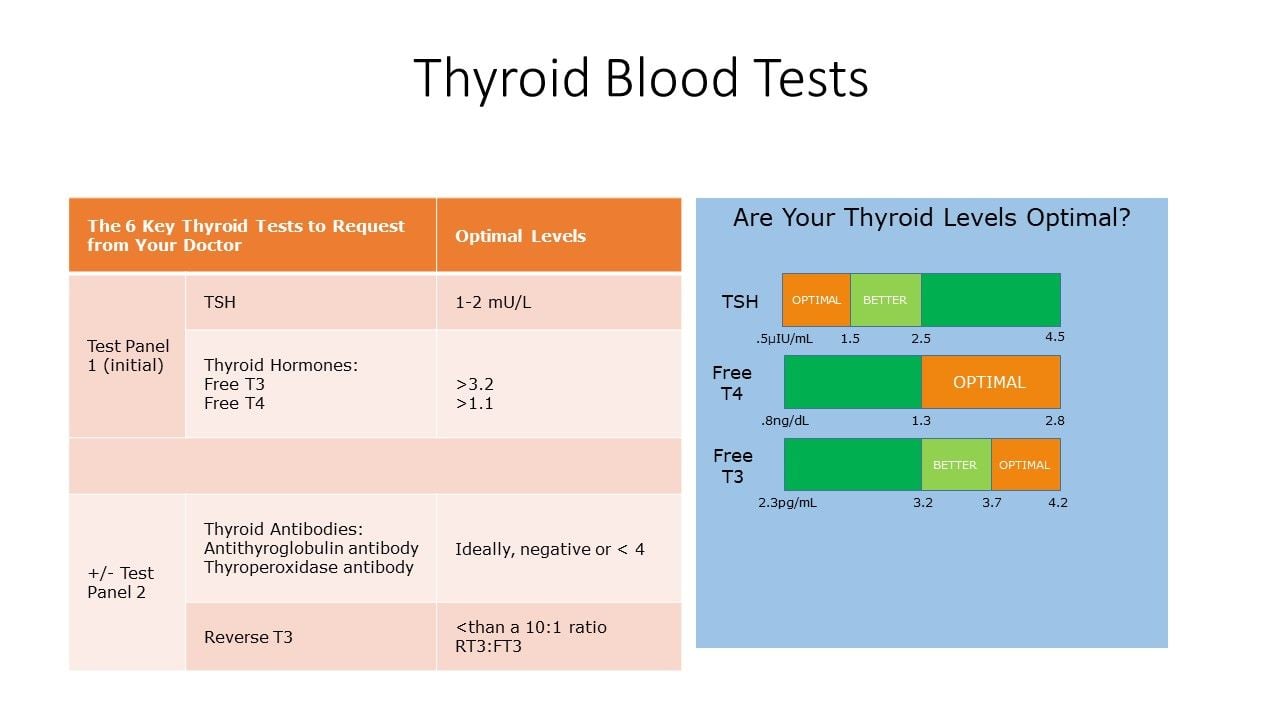
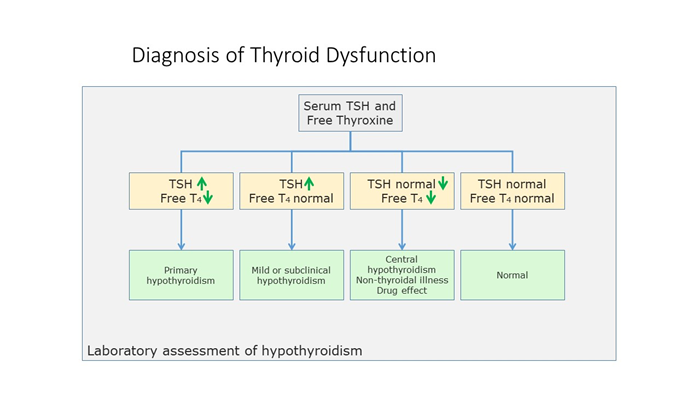
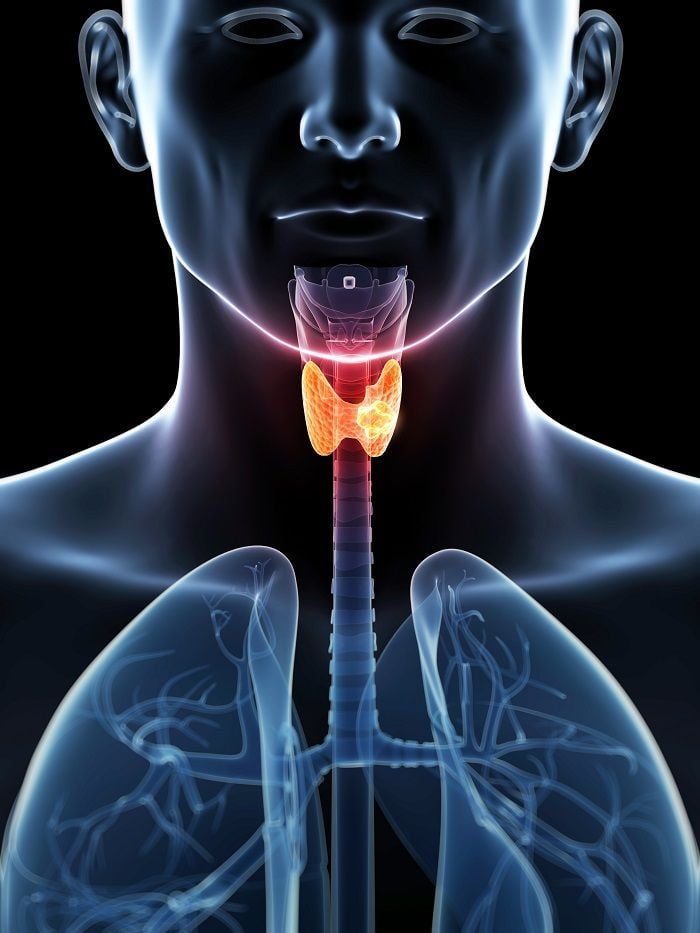
Learn MoreT3 or triiodothyronine is the active form of the thyroid hormone. T3 acts as a metabolic throttle for fueling all of the daily cellular functions. Free T3 is the unbound portion of T3 that is biologically active.
-
THYROID Panel (TSH + Free T3 + Free T4)$100
Learn MoreThis panel includes comprehensive testing of the thyroid stimulating hormone (TSH) in addition to free thyroxine (T4) and free triiodothyronine (T3).
-
Lipid (Cholesterol) Panel (LDL, HDL, Triglycerides)$16
Learn MoreLipid Panel: Evaluates the risk for developing atherosclerosis (arterial plaque) and coronary heart disease. This test includes: Total Cholesterol, Triglycerides ,HDL Cholesterol, LDL Cholesterol, Total Cholesterol/HDL Ratio. FASTING REQUIRED.
-
A1c- Hemoglobin (Hgb)$21
Learn MoreThe A1c test works by measuring the hemoglobin A1c level. Hemoglobin is stored in the red blood cells. When glucose levels are high, the sugar starts to combine with the hemoglobin. It takes the body 8 to 12 weeks to bring hemoglobin A1c levels back to normal. Therefore, if hemoglobin A1c levels are high, that means that there has been a high level of glucose in the blood over the last 2 to 3 months.
-
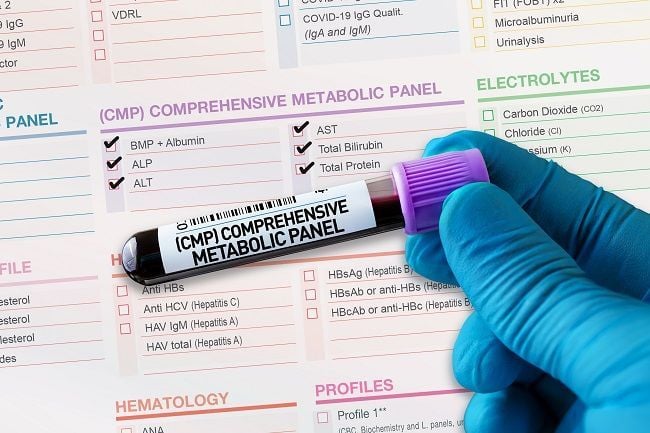
CMP Panel - Comprehensive Metabolic Panel$19
Learn MoreIncludes liver and kidney function, glucose and electrolytes
-
LDH Lactate Dehydrogenase (LD) Isoenzymes Test Panel$248
Learn MoreLactate dehydrogenase (LD) is an enzyme that is found in almost all of the body's cells, but only a small amount of it is usually detectable in the blood. LD is released from the cells into the bloodstream when cells are damaged or destroyed. Because of this, the LD test can be used as a general marker of injury to cells. Although there is some overlap, each of the five LD isoenzymes tends to be concentrated in specific body tissues. This panel provides 5 types of isoenzymes to detect if LD is coming from the heart, red blood cells, kidneys, lungs, white blood cells, lymph nodes, muscle, or liver.
-
4-Tube Cortisol-Salivary$199
Learn MoreThis test for adrenal insufficiency includes 4 measurements of your salivary Cortisol level during one day. Cortisol, also known as the "stress hormone" can be either too high or too low which may be a sign of adrenal distress.
-
Pregnenolone$126
Learn MorePregnenolone is known as the mother hormone. All other steroids including testosterone and estrogen are derived from this important hormone. For this reason, optimal blood levels of pregnenolone are critical for a healthy hormone balance. This test uses liquid chromatography/mass spectrometry, the most accurate assay for hormones.
-
Growth Hormone Blood Test$68
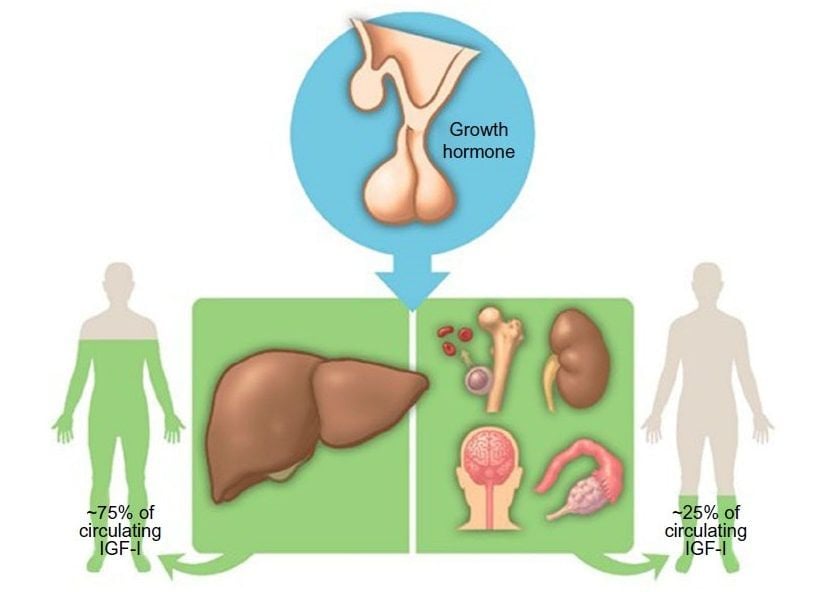
Learn MoreA single fasting growth hormone (GH) level is of limited value. The secretion of GH is episodic and pulsatile. GH has a half-life of 20 to 25 minutes. Testing for growth hormone deficiency or excess is best done as part of a dynamic test involving specific stimuli (see the online Endocrine Appendices: Growth Hormone Stimulation and Growth Hormone Suppression). Insulin-like growth factor-1 can also be useful in assessing growth hormone status.
-
IGF-1 (Insulin-like Growth Factor 1)$77
Learn MoreInsulin-like Growth Factor 1, also known as IGF-1, is used as a biomarker for blood levels of human growth hormone. It is a hormone produced by the liver and other tissues which affects growth-promoting activities and glucose metabolism. The blood level of IGF-1 appears to fluctuate over 24 hours and is found to be related to growth hormone secretion.
-
ACTH Test$89
Learn MoreThis test measures levels of drenocorticotropic hormone (ACTH), which is also called adrenocorticotropin and corticotropin, a hormone made in the anterior pituitary gland that tells the adrenal glands to release cortisol, DHEA, and aldosterone. The ACTH plasma test quantifies the blood's level of ACTH. A patient's blood is drawn for the test and then sent to a lab for examination. The test findings enable the diagnosis of ailments such as Addison's disease, Cushing's syndrome, and adrenal tumors
-
MTHFR Test- DNA mutation Analysis of Methylenetetrahydrofolate Reductase$800
Learn MoreQuest Diagnostics test code 17911 is for a DNA mutation analysis of Methylenetetrahydrofolate Reductase (MTHFR). The test determines if a patient has one, two, or no copies of either of the two mutations in the MTHFR gene, C677T and A1298C.
Changes in the methylenetetrahydrofolate reductase gene can lead to certain health conditions. One of them is hyperhomocysteinemia (high blood levels of homocysteine), which is a risk factor for cerebrovascular disease, cerebral vein thrombosis, coronary artery disease, myocardial infarction, and venous thrombosis. At least 40 mutations in the MTHFR gene have been identified in people with homocystinuria, a disorder in which the body is unable to process certain amino acids properly.
-
Diabetes Panel$226
Learn MoreThis diabetes panel includes important tests usually prescribed for anyone living with Type 1 or Type 2 diabetes. It includes A1c, CMP, Urinialysis, Insulin, and Glucose Tolerance Test (GTT).
-
Wellness by Design Female Panel$1,133
Learn MoreComprehensive and All-Inclusive Lab Test Panel for clients of The Wellness By Design Project. The panel includes: Testosterone Free with Total, Estrogens Total, Estrone, Estradiol, DHEA-S, Progesterone, Pregnenolone, Dihydrotestosterone (DHT), FSH/LH, Cortisol, Prolactin, TSH, Free T3, Free T4, Reverse T3, Anti TPO, AntiTG, C-reactive protein (high sensitivity), Homocysteine, Apolipoprotein B, Insulin-like Growth Factor 1 (IGF-1), Insulin, Sex Hormone Binding Globulin (SHBG), Vitamin D 25-hydroxy, Complete Metabolic Panel, Gamma Glutamyl Transferase (GGT), Lipid Profile, Complete Blood Count (CBC), Hemoglobin A1C (HbA1C), Magnesium (serum), Phosphorus (serum), LDH, Uric Acid, Iron Serum, Total Iron Binding Capacity (TIBC), Iron Saturation, Ferritin, and Fibrinogen activity.
-
Complete Hormone & Wellness Panel for MEN$499
Learn MoreThis panel is the most inclusive of all offered on the site for men who want a wide picture of their health or who are considering starting testosterone replacement therapy. It provides a baseline overview of your sex hormones, thyroid gland, adrenal function, metabolic function, cholesterol, prostate, and overall health. Tests included:
- CBC
- CMP
- Lipid Panel
- Testosterone
- Total (LC/MS) Estradiol, Ultra Sensitive
- DHEA-s
- TSH
- Free T3
- PSA
- LH
- FSH
-
CPK Blood Test (Creatine Phosphokinase)$24
Learn MoreCPK is creatine phosphokinase, an enzyme in the heart, brain, and skeletal muscle. High CPK can indicate muscle destruction, heart attacks, and central nervous system issues. Long-term exposure to high CPK can load up your kidneys and cause muscle loss and weakness. Sometimes we have no symptoms when CPK is high, but most of the time, we have body aches and soreness. Resistance training can raise CPK, so stop working out for at least five days before the CPK test.
-