Search results for: 'acid'
-
Uric Acid (Serum)$38
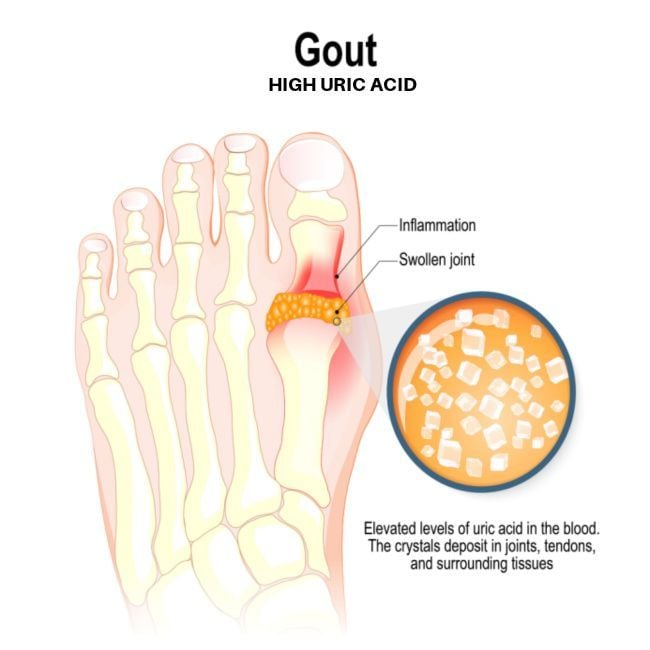
Learn MoreUric acid is a product produced by the body after the purines in many foods undergo the digestive process and are broken down inside the body. After this breakdown process, the uric acid travels through the bloodstream into your kidneys and most is actually eliminated through the urinary tract via urination. However, there are instances where you may have an excess of uric acid and are unable to excrete the bulk of this substance through urination. This could lead to gout-related issues.
-
Folate, Serum$58
Learn MoreB12 and folic acid blood testing help doctors diagnose central nervous system disorders, anemia, and malabsorption syndromes. B12 and folic acid also play an important role in energy level, muscle strength and memory. Because B12 and folate are derived solely from dietary intake, such as egg yolks, beef, poultry and fish, many people are deficient in these important vitamins.
-
LDH Blood Test$22
Learn MoreThe LDH (lactate dehydrogenase) blood test measures the level of LDH in your blood. LDH is an enzyme in many body organs and tissues, including the heart, liver, muscles, and red blood cells. The LDH test is often used to help diagnose and monitor various medical conditions, such as anemia, heart attack, and liver disease. It may also be ordered to check for tissue damage or monitor treatment effectiveness for specific conditions. Since lactic dehydrogenase is present in many body tissues, its diagnostic usefulness is limited. Tissue specificity may be enhanced by LDH isoenzyme analysis.
-
MTHFR Test- DNA mutation Analysis of Methylenetetrahydrofolate Reductase$800
Learn MoreQuest Diagnostics test code 17911 is for a DNA mutation analysis of Methylenetetrahydrofolate Reductase (MTHFR). The test determines if a patient has one, two, or no copies of either of the two mutations in the MTHFR gene, C677T and A1298C.
Changes in the methylenetetrahydrofolate reductase gene can lead to certain health conditions. One of them is hyperhomocysteinemia (high blood levels of homocysteine), which is a risk factor for cerebrovascular disease, cerebral vein thrombosis, coronary artery disease, myocardial infarction, and venous thrombosis. At least 40 mutations in the MTHFR gene have been identified in people with homocystinuria, a disorder in which the body is unable to process certain amino acids properly.
-
Phosphate (as Phosphorus )$20
Learn MorePhosphate (as Phosphorus) - Serum phosphorus (Phosphate) levels alone are of limited diagnostic value and should be correlated with serum calcium levels. An increased phosphorus with decreased calcium suggests either hypoparathyroidism or renal disease. A decreased phosphorus and an increased calcium suggests hyperparathyroidism or sarcoidosis. When both calcium and phosphorus are decreased diagnostic considerations include malabsorption, vitamin D deficiency and renal tubular acidosis. Increased phosphorus and normal or increased calcium suggests Milk-alkali syndrome or hypervitaminosis D.
-
Vitamin and Mineral Panel$290
Learn MoreThis comprehensive panel includes key vitamins and minerals that affect quality of life and survival. Test included are: Vitamin D, Vitamin B-12, Folate (Folic Acid), Magnesium in Red Blood Cells, and Zinc in Red Blood Cells.
-
Osteoporosis Lab Test Panel$310
Learn MoreThis osteoporosis panel includes:
- Serum total calcium, albumin (to calculate albumin adjusted calcium) and phosphorus as part of a CMP panel to detect conditions associated with hypercalcemia such as primary hyperparathyroidism or hypocalcemia and consequent secondary hyperparathyroidism causing bone loss
- Serum creatinine and estimated glomerular filtration rate (GFR) as part of the CMP panel are useful to detect renal failure which can affect bone health.
- Serum alkaline phosphatase (ALP) as part of a CMP panel. ALP measurement is useful to detect conditions including Paget's disease, metastatic bone disease and osteomalacia, etc.
- Vitamin D nutrition should be determined by measuring serum 25-hydroxy vitamin D [25(OH)D]. Although there is controversy about the optimum level of 25(OH)D for bone health; while 50 nmol/L is considered acceptable
- Parathyroid Hormone (PTH) measurement would be required if serum calcium is abnormal, to help investigate the cause of the calcium abnormality.
- Ultra-sensitive Estradiol. Low estradiol in men and women has been linked to bone loss.
- Phosphorus. An increased phosphorus with decreased calcium suggests either hypoparathyroidism or renal disease. A decreased phosphorus and an increased calcium suggests hyperparathyroidism or sarcoidosis. When both calcium and phosphorus are decreased diagnostic considerations include malabsorption, vitamin D deficiency and renal tubular acidosis. Increased phosphorus and normal or increased calcium suggests Milk-alkali syndrome or hypervitaminosis D.
-
Urinalysis, Complete, with Reflex to Culture$21
Learn MoreUrinalysis with reflex to culture testing is done when the first urinalysis results are not normal or when doctors think the person might have a urinary tract infection, kidney disease, or another problem with their urinary tract. Several conditions may necessitate urinalysis with reflex testing. Urinary tract infections (UTIs) are a common reason for reflex testing, as it helps healthcare providers identify the specific bacteria causing the infection and determine the most effective antibiotic treatment. Kidney diseases, such as glomerulonephritis or renal tubular acidosis, may also require reflex testing for accurate diagnosis and management. Conditions like hematuria (blood in urine) or proteinuria (protein in urine) warrant further investigation, as they may indicate underlying kidney disease or urinary tract neoplasms. Pregnant women may undergo reflex testing to monitor for gestational diabetes and preeclampsia. NOTE: You need to visit the lab near you to submit two separate specimens in containers provided by the lab. NOTE: The culture will ONLY be performed if any of the following Urinalysis results are applicable:
•Presence of Leukocyte esterase alone
•Presence of WBCs (>5/hpf) alone
•Presence of Yeast
•Presence of Bacteria and the presence of WBCs (>5/hpf) or Leukocyte esterase
•Presence of Nitrite and the presence of WBCs (>5/hpf) or Leukocyte esterase -
Wellness by Design Female Panel$1,133
Learn MoreComprehensive and All-Inclusive Lab Test Panel for clients of The Wellness By Design Project. The panel includes: Testosterone Free with Total, Estrogens Total, Estrone, Estradiol, DHEA-S, Progesterone, Pregnenolone, Dihydrotestosterone (DHT), FSH/LH, Cortisol, Prolactin, TSH, Free T3, Free T4, Reverse T3, Anti TPO, AntiTG, C-reactive protein (high sensitivity), Homocysteine, Apolipoprotein B, Insulin-like Growth Factor 1 (IGF-1), Insulin, Sex Hormone Binding Globulin (SHBG), Vitamin D 25-hydroxy, Complete Metabolic Panel, Gamma Glutamyl Transferase (GGT), Lipid Profile, Complete Blood Count (CBC), Hemoglobin A1C (HbA1C), Magnesium (serum), Phosphorus (serum), LDH, Uric Acid, Iron Serum, Total Iron Binding Capacity (TIBC), Iron Saturation, Ferritin, and Fibrinogen activity.
-
Arthritis Test Panel$140
Learn MoreThis Arthritis Panel Includes Sedimentation Rate, Anti-Nuclear Antibody (ANA), Rheumatoid Factor, C-Reactive Protein (CRP), and Serum Uric Acid
-
GGT -Gamma Glutamyl Transpeptidase Liver Enzyme$46
Learn MoreThe GGT bood test looks for an enzyme, or protein, called gamma-glutamyl transpeptidase (GGT) in your blood. GGT is found in liver cells. This test helps your doctor look for possible damage to your liver or its ducts. It can also help tell the difference between liver and bone disease if your results from a different blood test called alkaline phosphatase are abnormal. Higher than normal test results could be a sign of liver damage from diseases such as hepatitis, cirrhosis, tumors, or pancreatic cancer. But a higher than normal GGT level does not tell you the specific cause of liver disease or damage.
-
Electrolyte Panel$67
Learn MoreThe electrolyte panel includes: Carbon dioxide, chloride, potassium, and sodium
-
Lipid (Cholesterol) Panel (LDL, HDL, Triglycerides)$16
Learn MoreLipid Panel: Evaluates the risk for developing atherosclerosis (arterial plaque) and coronary heart disease. This test includes: Total Cholesterol, Triglycerides ,HDL Cholesterol, LDL Cholesterol, Total Cholesterol/HDL Ratio. FASTING REQUIRED.
-
Cardio IQ Advanced Lipid Panel$192
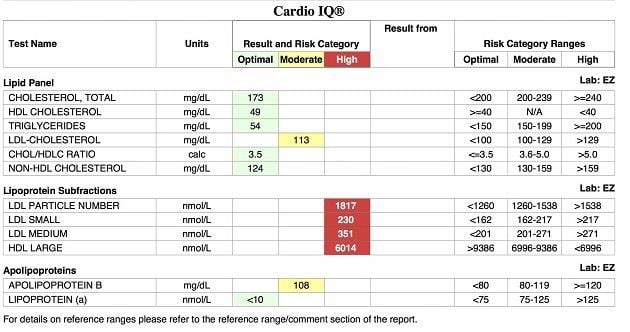
Learn MoreThe Cardio IQ® Report provides an in-depth assessment of cardiovascular risks to help physicians recommend the ideal individualized treatment option for patient to minimize cardiovascular disease.
The report is simple, yet comprehensive. It is color-coded to display progressive risk values versus goal using “optimal,” “moderate,” and “high-risk” categories and grouped by functional categories.
Cardio IQ Advanced Lipid Panel The Cardio IQ Advanced Lipid Panel includes:Total Cholesterol, Triglycerides, HDL, LDL and Cholesterol/HDL ratio, LDL Particle Number, LDL Peak Size, LDL Pattern, HDL Large, LDL Small, LDL Medium, Apolipoprotein B, Lipoprotein (a). Fasting is not required prior to collection of a lipid panel. Results for this test take 2 weeks to receive.
-
CBC with Differential$16
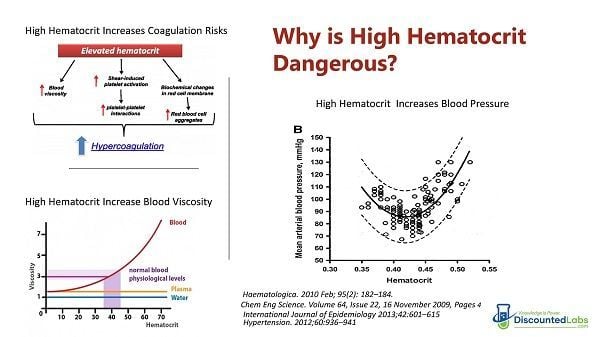
Learn MoreA complete blood count CBC with differential test panel measures several components of your blood including:Red blood cells, which carry oxygen, White blood cells, which fight infection, Hemoglobin, the oxygen-carrying protein in red blood cells, Hematocrit, the proportion of red blood cells to the fluid component in your blood (which correlated with blood thickness), and Platelets, which help with blood clotting. This is also called Complete Blood Count (CBC) with Differential and Platelets Blood Test
-
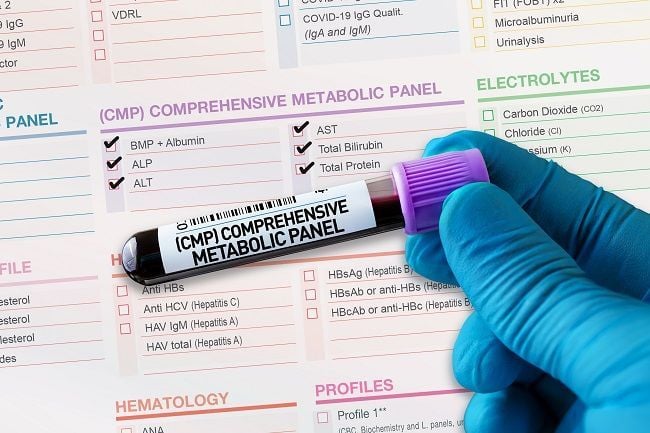
CMP Panel - Comprehensive Metabolic Panel$19
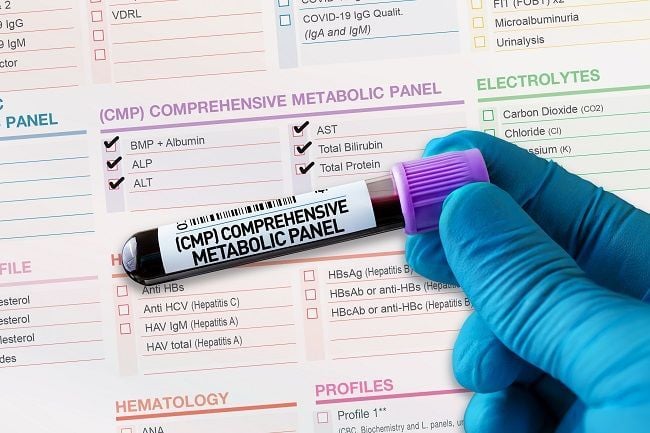
Learn MoreIncludes liver and kidney function, glucose and electrolytes
-
Aldosterone, serum$133
Learn MoreAldosterone (ALD) is one of a group of connected hormones. They form the renin-angiotensin-aldosterone system; this system is activated when there is a decrease in blood flow to your kidneys following a drop in blood volume or blood pressure
-
Cardio IQ Insulin Resistance Panel with Score$283
Learn MoreThe Cardio IQ® Insulin Resistance Score (IR), which uses fasting insulin and C-peptide measurements to estimate a person's likelihood of having insulin resistance. It eliminates the need for multiple samples and reduces the chance of errors that can occur with some other tests.
Having a high score (indicating a greater probability of insulin resistance) was linked to an increased risk of developing type 2 diabetes, even after accounting for other risk factors.
An IR score of <33 suggests that an individual has normal insulin sensitivity.
A score of 33 to 66 suggests that an individual has >4-fold greater odds of having IR compared with an individual with a score <33 .
A score >66 suggests that an individual has >15-fold greater odds of having IR compared to an individual with a scoreFasting Required for 10-12 hours. Water only.
-
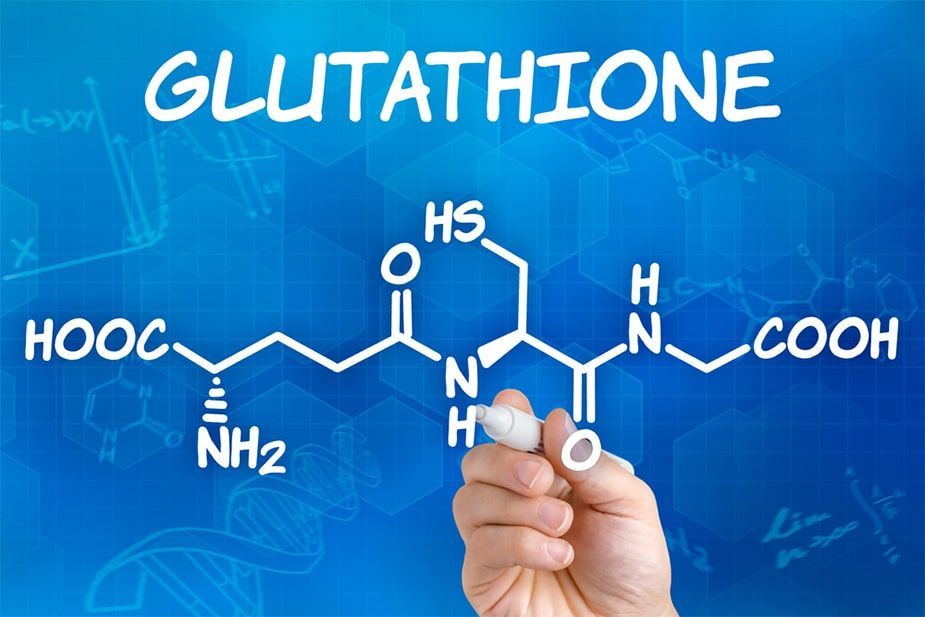
Glutathione Blood Test$202
Learn MoreBoth chronically low and high levels of glutathione in the body are indicative of potentially debilitating health problems. Glutathione level is a crucial marker for many diseases, both chronic and acute. Given the importance of this protein to human health; discovering your glutathione levels could be one more way to monitor health levels, immune function, and the potential risk of diseases that have been associated with chronically low or high levels of this essential peptide.
-
Creatine Kinase (CK) or CPK , Total Plus Isoenzymes Test$95
Learn MoreThis lab test panel includes Total CK (or CPK) and relative percentage of BB (CK-1), MB (CK-2), and MM (CK-3); the percentage of macro CK, if present. The CK or CPK isoenzyme test is used to diagnose myocardial infarction (MI). Three fractions normally may be found, each an isoenzyme: • MM is found in normal serum. • MB is the myocardial fraction associated with MI and occurs in certain other states. MB can be used in the estimation of infarct size.
-
ApoB Test$50
Learn MoreApoB Blood Test has been reported to be a powerful indicator of Coronary Artery Disease (CAD). In some patients with CAD, APO B is elevated even in the presence of normal LDL cholesterol. Instead of non-HDL-C levels, ApoB levels may be used to check how well lipid treatment is working. Non-HDL-C is the total cholesterol concentration minus the amount of HDL. A healthcare practitioner may order both an lipoprotein a (associated with high-density lipoprotein (HDL), the "good" cholesterol) and an apo B to determine an apo B/apo A-I ratio. This ratio is sometimes used as an alternative to a total cholesterol/HDL ratio to evaluate risk for developing CVD.
-
THYROID Panel - COMPREHENSIVE$238
Learn MoreThis test panel includes most tests needed to more deeply explore the possibility of hypothyroidism and/or Hashimoto's disease diagnosis. It includes: TSH, Free T3, Free T4, Reverse T3, Thyroglobulin Antibody and Thyroid Peroxidase Antibody (Anti-TPO). If you are taking biotin, please stop it 72 hours before the blood draw since it may interfere with hormone blood tests. A study found that TSH was suppressed in all subjects after food, so fasting may be suggested although it is not reqired by Quest. Free T4 and Free T4 values did not change significantly after eating. NOTE: Reverse T3 is analyzed using a specific technique called liquid chromatography/tandem mass spectrometry (LC/MS-MS). There's a special place in the U.S. where these precise machines needed for LC/MS panels run only on two specific days a week. So, sometimes the clock ticks a bit while we wait for samples to return from their initial collection points. Results may take 7 business days.
-
C-Peptide Test$63
Learn MorePatients with diabetes may get a C-peptide test as a means of distinguishing type 1 diabetes from type 2 diabetes or Maturity onset diabetes of the young (MODY). Measuring C-peptide can help to determine how much of their own natural insulin a person is producing as C-peptide is secreted in equimolar amounts to insulin. C-peptide levels are measured instead of insulin levels because C-peptide can assess a person's own insulin secretion even if they receive insulin injections, and because the liver metabolizes a large and variable amount of insulin secreted into the portal vein but does not metabolize C-peptide, meaning blood C-peptide may be a better measure of portal insulin secretion than insulin itself.
-
C-Reactive Protein- High Sensitivity hs-CRP$43
Learn MoreThis high sensitivity CRP test is used along other blood markers to assess a patient's potential risk for cardiovascular disease. To illustrate the difference between CRP and hs-CRP, traditional testing measures CRP (quantitative) within the range of 10 to 1,000 mg/L, whereas hs-CRP values range from 0.5 to 10 mg/L. In simpler terms, hs-CRP measures trace amounts of CRP in the blood. Hs-CRP is the analyte of choice for cardiovascular risk assessment
-
IGF-1 (Insulin-like Growth Factor 1)$77
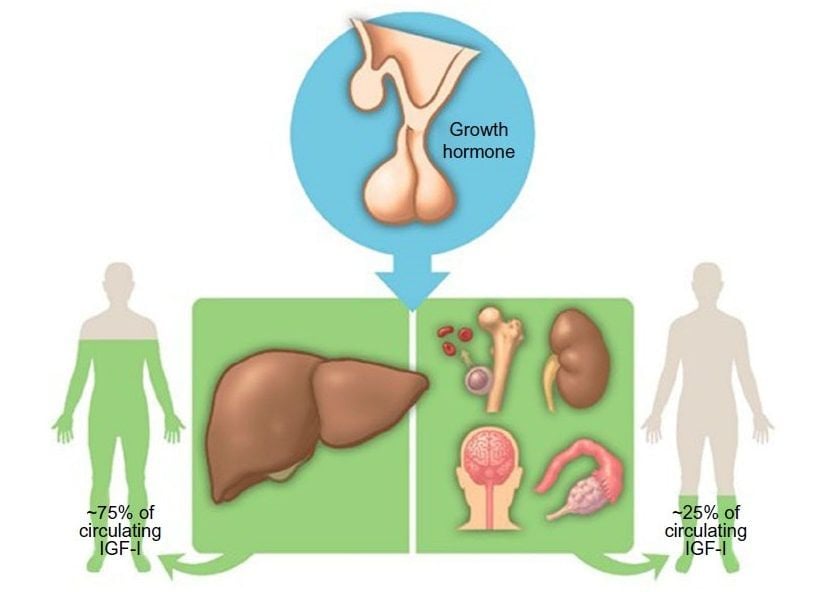
Learn MoreInsulin-like Growth Factor 1, also known as IGF-1, is used as a biomarker for blood levels of human growth hormone. It is a hormone produced by the liver and other tissues which affects growth-promoting activities and glucose metabolism. The blood level of IGF-1 appears to fluctuate over 24 hours and is found to be related to growth hormone secretion.
-
Magnesium, Red Blood Cell (RBC) Content$69
Learn MoreA Magnesium RBC test can provide an earlier indicator of magnesium deficiency that a standard magnesium blood test. When levels are low, the body will pull magnesium from the cells to keep blood levels normal. In this case, a magnesium blood test may show normal levels while a magnesium RBC test will give a more accurate result.
-
Diabetes Panel$226
Learn MoreThis diabetes panel includes important tests usually prescribed for anyone living with Type 1 or Type 2 diabetes. It includes A1c, CMP, Urinialysis, Insulin, and Glucose Tolerance Test (GTT).
-
Hashimoto's Test Panel$179
Learn More1. TSH (Thyroid Stimulating Hormone) Test The TSH test is crucial for diagnosing Hashimoto's disease. It gauges the level of TSH that the pituitary gland produces, which in turn stimulates the thyroid to produce T4 and T3 hormones. Elevated TSH levels can indicate hypothyroidism, commonly associated with Hashimoto's disease
2. Thyroid Hormone Tests These tests measure the levels of free T3 (free triiodothyronine) and free T4 (free thyroxine) in the blood. A low level of free T4, along with an elevated TSH level, is a key indicator of Hashimoto's disease
3. Thyroid Antibody Tests Most individuals with Hashimoto's disease have thyroid peroxidase (TPO) antibodies in their blood. Testing for these and other thyroid-related antibodies is a significant step in diagnosing the condition
4. Thyroglobulin Antibody Test This test screens for antibodies against thyroglobulin, a protein in the thyroid gland. High levels are another marker of Hashimoto's disease
-
Hair Loss Test Panel$420
Learn MoreThis lab test panel includes main blood test makers involved in hair loss in women and men: Complete Blood Count (CBC)- Can detect potential low hemoglobin and infections that can lead to hair loss. Ferritin- Low ferritin, an iron storage protein, has been linked to hair loss and slow down of hair growth. Iron and Total Iron Capacity (TIBC)- Low iron anemia has been linked to hair loss. Hyperandrogenism: Excessive male hormones (androgens): Total Testosterone (LC/MS), Free Testosterone (Equilibrium Ultrafiltration), DHEA-S, Dihydrotestosterone (DHT) Hypothyroidism and Hyperthyroidism: Thyroid Stimulation Hormone (TSH), Free Triidothyronine (Free T3)
-
Anemia Test Panel$143
Learn MoreThis 18 test anemia panel includes all tests needed to diagnose the degree and cause of anemia including a CBC panel (red blood cells, hemoglobin, etc), Ferritin, Iron, Total Iron Binding Capacity, Folate, and Vitamin B-12
-
Male Ultra Elite Panel$1,180
Learn MoreThis male ultra elite lab test panel offers the best savings for men to determine their immune health, liver and kidney function, electrolytes, blood sugar, advanced lipid panel, thyroid function, inflammatory markers involved in heart disease, testosterone total and free, urinalysis to determine UTIs and kidney function, ultrasensitive estradiol, DHEA-S, IGF-1, DHT, Prolactin, vitamins D and B12+folate, and iron/ferritin to determine fatigue, anemia or increased risk of iron overload, and PSA. -
Bodybuilder Blood Test Panel- Beginner$172
Learn MoreThis is a simple bodybuilder test panel for those who do not require Cystatin-C or GGT tests. The panel includes:
- Complete Blood Count (Immune Cells, Red Blood Cells, and Hematocrit)
- Complete Metabolic Panel (Blood sugar, electrolytes, kidney and liver function)
- Lipids (LDL, HDL, and Triglycerides)
- Testosterone, Total LC/MS and Free Testosterone by Equilibrium Dialysis
- Ultrasensitve Estradiol (Only Test Accurate in Men)
-
CBC + CMP + Lipids$53
Learn MoreThis panel includes CBC (Complete Blood Count) with differential, CMP (Comprehensive Metabolic Panel), and Lipid Panel (LDL, HDL, Triglycerides). There are a total of 30 tests included in this panel for a very low price.
-
Elite Male Blood Test Panel$739
Learn MoreThe most complete of all blood test panels for men that include: Total and Free Testosterone, Ultra Sensitive Estradiol, IGF-1, Prolactin, DHT, DHEA-S, PSA, SHBG, Lipids, CBC, CMP, and Thyroid Function (TSH, Free T3, Free T4).
-
-
Homocysteine$41
Learn MoreElevated levels of homocysteine in the blood, known as hyperhomocysteinemia, have been linked to an increased risk of cardiovascular disease, including heart attack and stroke. High homocysteine levels may also be associated with an increased risk of certain other health conditions, such as osteoporosis and pregnancy complications.
-
Ferritin$20
Learn MoreFerritin is a protein that stores iron. Red blood cells need iron to form normally and carry oxygen around your body. Low levels of ferritin lead to iron deficiency anemia, which means you have too few red blood cells. High levels of ferritin can damage your joints, heart, liver, and pancreas.
-
Inflammation Blood Test Panel$265
Learn MoreThis panel includes blood tests that are related to inflammation and certain diseases. Blood tests included are: CRP high sensitivity, CPK, LDH, Ferritin, Homocysteine and ESR
-
Heart Test Panel- Comprehensive$511
Learn MoreThis heart test panel includes blood tests that measure variables that affect heart health like electrolytes (CMP), hematocrit and immune cells (CBC), Cardio IQ Advanced Lipid Panel with Particle Sizes, and inflammatory markers like homocysteine, High Sensitivity C-Reactive Protein, and D-Dimer.
-
Bodybuilder Blood Test Panel- Basic$271
Learn MoreThis panel provides smart bodybuilders with information that can help minimize potential short- and long-term side effects and risks. This basic bodybuilder panel includes the following gold standard tests/panels: Cystatin C (the only accurate kidney function test for bodybuilders), hematocrit (blood viscosity factor), CMP (glucose, liver & kidney function, and electrolytes), total and free testosterone (LC/MS assay—no upper limit and no interference with anabolics), ultra-sensitive estradiol (the only accurate estradiol test for men), & lipid cholesterol panel. Fasting is required.
-
Women Ultra Elite Panel$1,312
Learn MoreThis women's ultra elite lab test panel offers the best savings for men to determine their immune health, liver and kidney function, electrolytes, blood sugar, advanced lipid panel, thyroid function, inflammatory markers involved in heart disease, testosterone total and free, urinalysis to determine UTIs and kidney function, ultrasensitive estradiol, DHEA-S, IGF-1, DHT, Prolactin, Progesterone, Estrone, Total Estrogens, vitamins D and B12+ folate, and iron/ferritin to determine fatigue, anemia or increased risk of iron overload.Tests included are:
Complete Blood Count with Differential (CBC)
Comprehensive Metabolic Panel (CMP)
Hemoglobin A1c
Cardio IQ Advanced Lipid Panel
Urinalysis, Complete
TSH
Thyroid Free T3
Thyroid Free T4
Reverse T3
TPO Antibodies
Thyroglobulin Antibodies
Homocysteine
Cardio C-Reactive Protein
CPK
Estradiol, Ultra Sensitive
Testosterone Total & Free (LC/MS- No upper limit)
DHEA – S
Prolactin
DHT
IGF-1
Progesterone
Estrone
Total Estrogens
LH + FSH
Anti-Müllerian Hormone (AMH)
Vitamin D (25OHD)
Vitamin B-12
Folate
Ferritin
Iron & TIBC (Total Iron Binding Capacity) -
Bodybuilder Blood Test Panel- Comprehensive$403
Learn MoreHere is a list of 14 carefully selected lab tests and panels that are essential in maintaining proper health while improving body composition and strength: Hematocrit, Lipid panel (LDL, HDL, triglycerides), Cystatin C kidney test, eGFR kidney test, GGT liver test, Total Testosterone (LC/MS), Free Testosterone (Equilibrium Ultrafiltration), Ultrasensitive Estradiol, Prolactin, DHT test (LC/MS), IGF-1 test (LC/MS), and ferritin. Fasting is required.
-
Urinalysis$15
Learn MoreThe Urinalysis test panel screens for a variety of conditions including urinary tract infections ( UTI ), urinary bladder disease, kidney disease and diabetes. Tests included: Color, Appearance, Specific gravity, pH, Protein, Glucose, Occult blood, Ketones, Leukocyte esterase, Nitrite, Bilirubin, Urobilinogen, and Microscopic examination of urine sediment
-
Rheumatoid Arthritis Factor Test$59
Learn MoreThe Rheumatoid Arthritis Factor is often evaluated in patients suspected of having any form of arthritis or destructive articular disease even though positive results can be due to other causes, and negative results do not rule out disease. But, in combination with signs and symptoms, it can play a role in both diagnosis and disease prognosis. It is part of the usual disease criteria of rheumatoid arthritis.
-
Vitamin B12$58
Learn MoreVitamin B-12 is an essential vitamin. Low blood levels of B12 can cause: Anemia and pernicious anemia, loss of balance , numbness or tingling in the arms and legs, and weakness
-
Reverse T3 Test$86
Learn MoreThe reverse T3 test has to be done at the same time you do the free T3, and you then measure the ratio between the two by dividing the RT3 into the Free T3. The body produces the benign RT3 naturally to rid itself of excess of T4, but in some cases, such as high or low cortisol, RT3 is produced in excess, which can clog cell receptors from receiving T3. FT3 is usually twenty or more times higher than RT3. NOTE: Reverse T3 is analyzed using a specific technique called liquid chromatography/tandem mass spectrometry (LC/MS-MS). There's a special place in the U.S. where these precise machines needed for LC/MS panels run only on two specific days a week. So, sometimes the clock ticks a bit while we wait for samples to return from their initial collection points. Results may take 7 business days.