Search results for: 'Blood draw'
-
PROTEIN, GLOBULIN & ALBUMIN$17
Learn MoreProtein, Gloublin and Albumin - The major proteins seen in the serum are albumin and globulin-the latter being primarily alpha 1 and alpha 2 globulin, beta globulin and gamma globulin. Albumin accounts for more than 50% of the total serum proteins. The albumin to globulin (A/G) ratio has been used as an index of disease state, however, it is not a specific marker for disease because it does not indicate which specific proteins are altered. The normal A/G ratio is 0.8-2.0. The A/G ratio can be decreased in response to a low albumin or to elevated globulins. Total globulins may be increased in some chronic inflammatory diseases (TB, syphilis) multiple myeloma, collagen disease, and rheumatoid arthritis. Decreased levels are seen in hepatic dysfunction, renal disease and various neoplasms.
-
Renal Kidney Function Panel Comprehensive$203
Learn MoreThis panel includes blood and urine tests commonly used by physicians to determine kidney dysfunction: Urinalysis, Comprehensive Metabolic Panel (CMP), Cystatin C and eGFR.
-
Complete Hormone & Wellness Panel for MEN$499
Learn MoreThis panel is the most inclusive of all offered on the site for men who want a wide picture of their health or who are considering starting testosterone replacement therapy. It provides a baseline overview of your sex hormones, thyroid gland, adrenal function, metabolic function, cholesterol, prostate, and overall health. Tests included:
- CBC
- CMP
- Lipid Panel
- Testosterone
- Total (LC/MS) Estradiol, Ultra Sensitive
- DHEA-s
- TSH
- Free T3
- PSA
- LH
- FSH
-
Uric Acid (Serum)$38
Learn MoreUric acid is a product produced by the body after the purines in many foods undergo the digestive process and are broken down inside the body. After this breakdown process, the uric acid travels through the bloodstream into your kidneys and most is actually eliminated through the urinary tract via urination. However, there are instances where you may have an excess of uric acid and are unable to excrete the bulk of this substance through urination. This could lead to gout-related issues.
-
ESR Blood Test: Erythrocyte Sedimentation Rate Westergren$56
Learn MoreThe erythrocyte sedimentation rate (ESR or sed rate) is the rate at which red blood cells sediment in a period of one hour. It is a common hematology test and is a non-specific measure of inflammation. To perform the test, anticoagulated blood is traditionally placed in an upright tube, known as a Westergren tube, and the rate at which the red blood cells fall is measured and reported in mm at the end of one hour. Elevated levels of ESR are usually found in people who have different types of diseases, such as autoimmune disease, anemia, kidney disease, cancer, and other health complications.
-
THYROID Stimulating Hormone-TSH$21
Learn MoreThe thyroid stimulating hormone (TSH) is produced and secreted by the pituitary gland and stimulates the thyroid to produce T3 and T4. When TSH is elevated, low thyroid function may be indicated. If TSH is low it is indicative of high thyroid function. A study found that TSH was suppressed in all subjects after food, so fasting may be suggested although it is not reqired by Quest. Free T4 and Free T4 values did not change significantly after eating.
-
THYROID Panel (TSH + Free T3 + Free T4)$100
Learn MoreThis panel includes comprehensive testing of the thyroid stimulating hormone (TSH) in addition to free thyroxine (T4) and free triiodothyronine (T3).
-
Ferritin$20
Learn MoreFerritin is a protein that stores iron. Red blood cells need iron to form normally and carry oxygen around your body. Low levels of ferritin lead to iron deficiency anemia, which means you have too few red blood cells. High levels of ferritin can damage your joints, heart, liver, and pancreas.
-
CBC with Differential$16
Learn MoreA complete blood count CBC with differential test panel measures several components of your blood including:Red blood cells, which carry oxygen, White blood cells, which fight infection, Hemoglobin, the oxygen-carrying protein in red blood cells, Hematocrit, the proportion of red blood cells to the fluid component in your blood (which correlated with blood thickness), and Platelets, which help with blood clotting. This is also called Complete Blood Count (CBC) with Differential and Platelets Blood Test
-
A1c- Hemoglobin (Hgb)$21
Learn MoreThe A1c test works by measuring the hemoglobin A1c level. Hemoglobin is stored in the red blood cells. When glucose levels are high, the sugar starts to combine with the hemoglobin. It takes the body 8 to 12 weeks to bring hemoglobin A1c levels back to normal. Therefore, if hemoglobin A1c levels are high, that means that there has been a high level of glucose in the blood over the last 2 to 3 months.
-
Heavy Metals Test Profile , Blood: Arsenic, Lead and Mercury$282
Learn MoreThis panel measures the blood levels of arsenic, lead, and mercury.
-
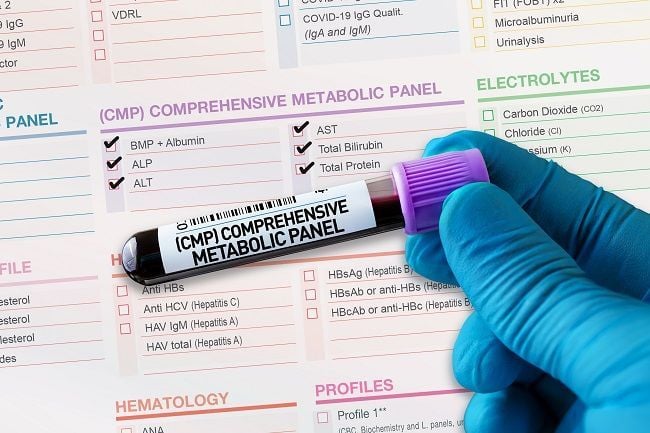
CMP Panel - Comprehensive Metabolic Panel$19
Learn MoreIncludes liver and kidney function, glucose and electrolytes
-
Mononucleosis Test: Epstein-Barr Virus (EBV) Antibodies Panel$379
Learn MoreEpstein-Barr (EB) virus is a herpes group virus that is ubiquitous. It leads to infectious mononucleosis and may play a role in the development of Burkitt lymphoma, some nasopharyngeal carcinomas, and a few rare genetic lymphoproliferative disorders. Antibodies to early antigen, IgM and IgG antibodies to viral capsid antigen (VCA), and antibodies to Epstein-Barr nuclear antigen (EBNA) are all part of the EBV test.
-
4-Tube Cortisol-Salivary$199
Learn MoreThis test for adrenal insufficiency includes 4 measurements of your salivary Cortisol level during one day. Cortisol, also known as the "stress hormone" can be either too high or too low which may be a sign of adrenal distress.
-
C-Reactive Protein- High Sensitivity hs-CRP$43
Learn MoreThis high sensitivity CRP test is used along other blood markers to assess a patient's potential risk for cardiovascular disease. To illustrate the difference between CRP and hs-CRP, traditional testing measures CRP (quantitative) within the range of 10 to 1,000 mg/L, whereas hs-CRP values range from 0.5 to 10 mg/L. In simpler terms, hs-CRP measures trace amounts of CRP in the blood. Hs-CRP is the analyte of choice for cardiovascular risk assessment
-
PSA, Free: Total Ratio Reflex$82
Learn MoreNOTE: This test can only be purchased by men with suspect PSA over 4 mg/dL. Free PSA will not be provided for PSA under 4 ng/mL.
PSA circulates through the body in two ways; bound to other proteins or by itself. Unbound PSA is called free PSA. A free-PSA test will measure the percentage of unbound PSA while a PSA test is used to measure the total of free and bound PSA in the blood. The free PSA is a defective variant of normal PSA that can no longer bind to other proteins and so circulates in the blood in the free form. Although the reason why this is the case is poorly understood - patients with prostate cancer may have lower free PSA levels than those with a benign prostate condition.
-
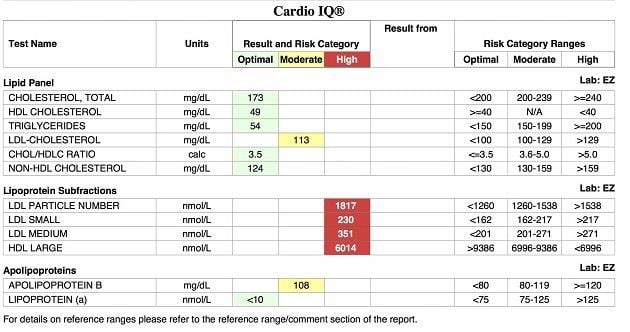
Lipid (Cholesterol) Panel (LDL, HDL, Triglycerides)$16
Learn MoreLipid Panel: Evaluates the risk for developing atherosclerosis (arterial plaque) and coronary heart disease. This test includes: Total Cholesterol, Triglycerides ,HDL Cholesterol, LDL Cholesterol, Total Cholesterol/HDL Ratio. FASTING REQUIRED.
-
Hematocrit HCT Blood Test$11
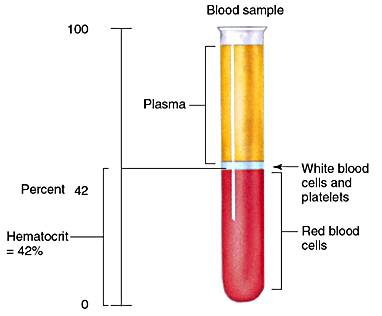
Learn MoreThe volume measurement, or hct blood test, is the proportion of blood that the red blood cells take up. Hemoglobin, on the other hand, is a density or concentration measurement and is expressed in grams per liter or deciliter. (Hemoglobin is, if you will recall from your high school biology, the iron-based protein that transports oxygen.) RBC is a simple count and is usually expressed as the number of million red blood cells that you have per microliter. Usually, hematocrit is three times the amount of hemoglobin.
Testosterone replacement therapy (TRT) increases hematocrit in most men. Read more about how to decrease hematocrit.
NOTE: Hematocrit is also part of the CBC panel, so there is no need to order separately if your order already includes CBC.
-
ALLERGY MOLD PANEL, COMPLETE$170
Learn MoreAllergy Mold Panel, Complete -
This panel tests for specific IgE antibodies to 6 molds that are commonly associated with allergies. Allergen-specific serum IgE testing is considered comparable to skin testing and may be preferred in some clinical situations. However, a positive test result only indicates that a patient is sensitized to the allergen of concern. Many IgE-sensitized individuals do not develop any symptoms when exposed to the allergen. Only a qualified medical professional who has conducted a thorough clinical evaluation should make an allergy diagnosis. These are the 6 molds tested:
Alternaria alternata (m6)
Alternaria is one of the most common outdoor molds and a frequent cause of mold allergies. When Alternaria spores are inhaled, they can trigger an allergic response in susceptible individuals. This can lead to symptoms like sneezing, runny nose, nasal congestion, and asthma exacerbations.1
Aspergillus fumigatus (m3)
Aspergillus is a genus of molds that can cause both allergic reactions and infections, especially in people with weakened immune systems. Aspergillus fumigatus is a common indoor mold that can trigger allergic rhinitis, asthma, and a rare condition called allergic bronchopulmonary aspergillosis (ABPA).2
Cladosporium herbarum (m2)
Cladosporium is one of the most common outdoor molds and a frequent cause of mold allergies. When breathed in by sensitive people, Cladosporium spores can cause allergic reactions like sneezing, nasal congestion, and asthma symptoms. 1
Mucor racemosus (m4)
Mucor is a genus of molds that can cause allergic reactions in some people. Inhaling Mucor spores may lead to symptoms like nasal congestion, sneezing, and asthma exacerbations in those with a Mucor allergy.
Penicillium notatum (m1)
Penicillium is a common indoor mold that can cause allergic reactions. When Penicillium spores are inhaled, they may trigger symptoms such as sneezing, runny nose, nasal congestion, and asthma in individuals with a Penicillium allergy.1
Stemphylium botryosum (m10)
Stemphylium is a genus of molds that can be an allergen for some people. Inhaling Stemphylium spores may lead to allergic rhinitis symptoms like sneezing, nasal congestion, and itchy/watery eyes in those with a Stemphylium allergy.In conclusion, when sensitive people inhale the spores from these common mold species, they can all cause allergic reactions. The allergic symptoms typically include nasal congestion, sneezing, runny nose, and asthma exacerbations. Avoiding exposure to these molds is key for managing mold allergies.12