Search results for: 'high blood'
-
Blood Donation Safety Panel$60
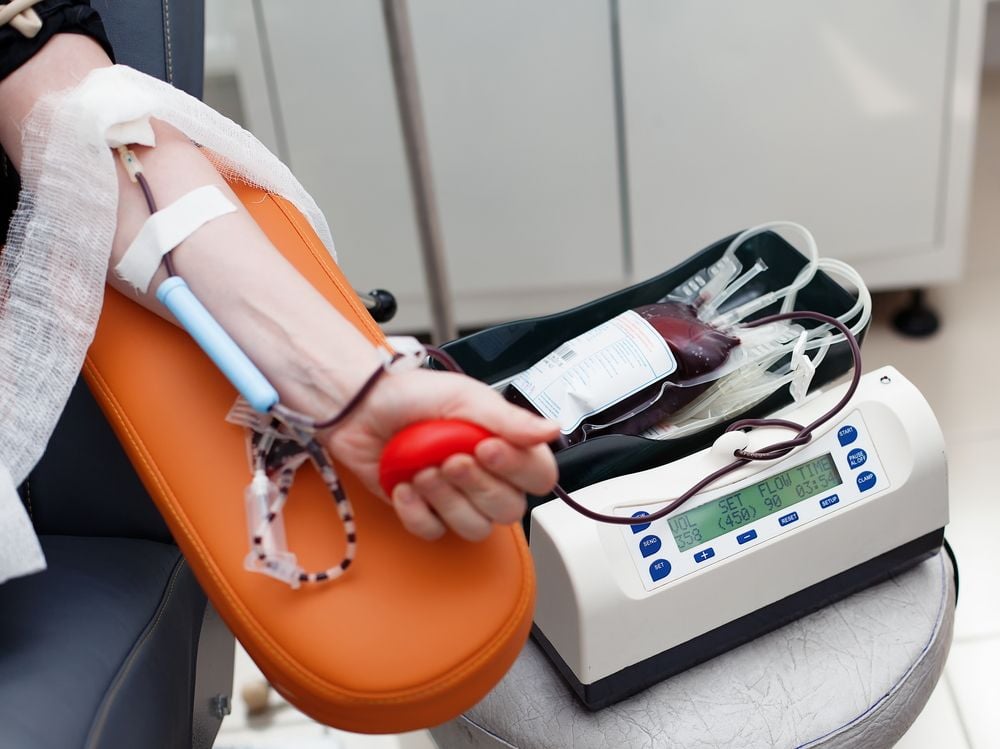
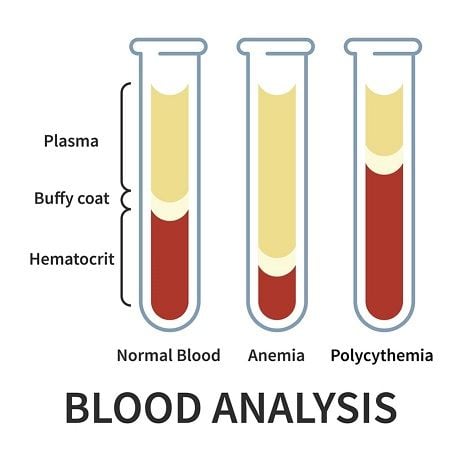
Learn MoreThis blood donation panel includes these tests: Hematocrit, iron & total iron binding capacity (TIBC), and ferritin.This panel is designed to determine if: 1- Your blood donation or therapeutic phlebotomy was effective in lowering your high hematocrit without negatively affecting ferritin or iron. 2- It is safe to do another blood donation or therapeutic phlebotomy depending on ferritin or iron levels.
-
Bodybuilder Blood Test Panel- Comprehensive$403
Learn MoreHere is a list of 14 carefully selected lab tests and panels that are essential in maintaining proper health while improving body composition and strength: Hematocrit, Lipid panel (LDL, HDL, triglycerides), Cystatin C kidney test, eGFR kidney test, GGT liver test, Total Testosterone (LC/MS), Free Testosterone (Equilibrium Ultrafiltration), Ultrasensitive Estradiol, Prolactin, DHT test (LC/MS), IGF-1 test (LC/MS), and ferritin. Fasting is required.
-
Inflammation Blood Test Panel$265
Learn MoreThis panel includes blood tests that are related to inflammation and certain diseases. Blood tests included are: CRP high sensitivity, CPK, LDH, Ferritin, Homocysteine and ESR
-
PROTEIN, GLOBULIN & ALBUMIN$17
Learn MoreProtein, Gloublin and Albumin - The major proteins seen in the serum are albumin and globulin-the latter being primarily alpha 1 and alpha 2 globulin, beta globulin and gamma globulin. Albumin accounts for more than 50% of the total serum proteins. The albumin to globulin (A/G) ratio has been used as an index of disease state, however, it is not a specific marker for disease because it does not indicate which specific proteins are altered. The normal A/G ratio is 0.8-2.0. The A/G ratio can be decreased in response to a low albumin or to elevated globulins. Total globulins may be increased in some chronic inflammatory diseases (TB, syphilis) multiple myeloma, collagen disease, and rheumatoid arthritis. Decreased levels are seen in hepatic dysfunction, renal disease and various neoplasms.
-
Adrenal Insufficiency Panel- Basic$203
Learn MoreDiscounted Labs’ basic adrenal insufficiency panel includes cortisol, ACTH, and DHEA as a starting point. Depending on lab test results from this panel, physicians may choose to do an ACTH stimulation test, renin, potassium, and sodium. Imaging studies like a CT scan of the adrenal glands may also be considered to check for adrenal growths. In order to check for Addison's Disease, the auto-immune type of primary adrenal insufficiency, labs should be drawn to check 21-hydroxylase
-
Bodybuilder Blood Test Panel- Basic$271
Learn MoreThis panel provides smart bodybuilders with information that can help minimize potential short- and long-term side effects and risks. This basic bodybuilder panel includes the following gold standard tests/panels: Cystatin C (the only accurate kidney function test for bodybuilders), hematocrit (blood viscosity factor), CMP (glucose, liver & kidney function, and electrolytes), total and free testosterone (LC/MS assay—no upper limit and no interference with anabolics), ultra-sensitive estradiol (the only accurate estradiol test for men), & lipid cholesterol panel. Fasting is required.
-
Diabetes Panel$226
Learn MoreThis diabetes panel includes important tests usually prescribed for anyone living with Type 1 or Type 2 diabetes. It includes A1c, CMP, Urinialysis, Insulin, and Glucose Tolerance Test (GTT).
-
CBC + CMP + Lipids$53
Learn MoreThis panel includes CBC (Complete Blood Count) with differential, CMP (Comprehensive Metabolic Panel), and Lipid Panel (LDL, HDL, Triglycerides). There are a total of 30 tests included in this panel for a very low price.
-
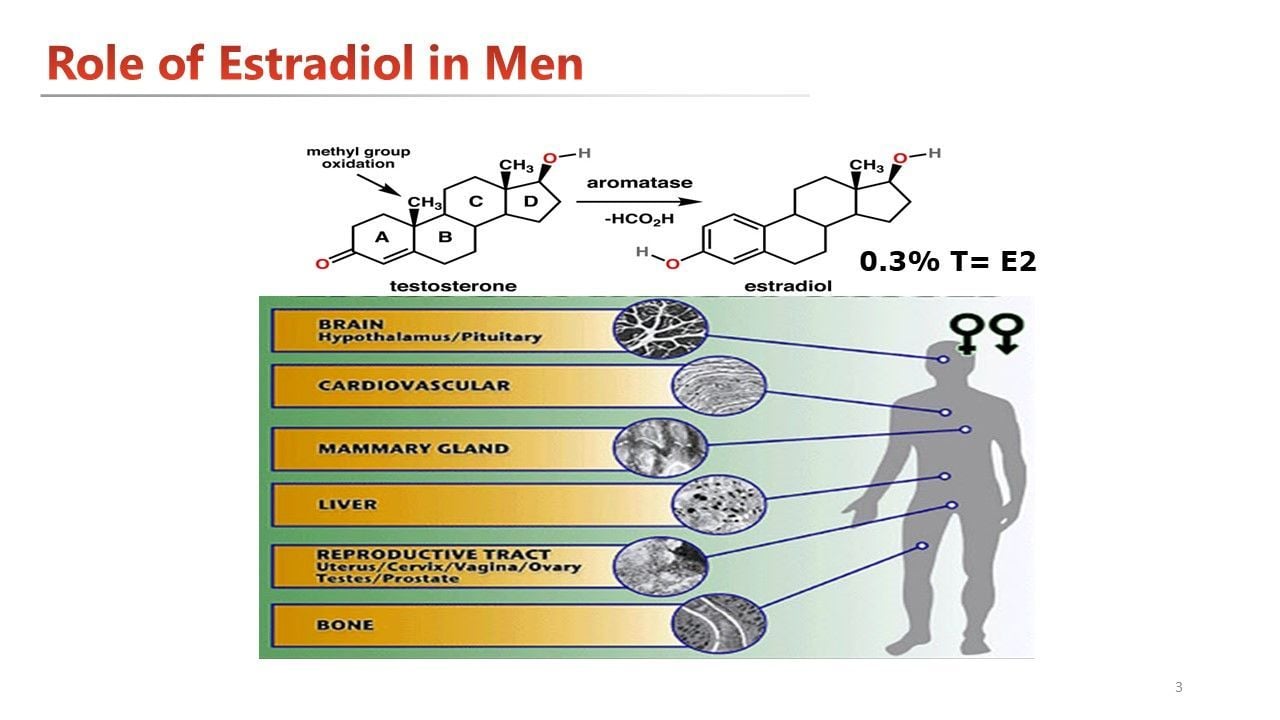
Estradiol Ultra Sensitive (LC/MS) and Testosterone, Free (Dialysis) and Total, MS$95
Learn MoreThis panel includes the two gold standard tests for estradiol and testosterone (Total and Free) that use liquid chromatography/ mass spectrometry for best accuracy and no interactions.
-
Insulin Fasting Blood Test$26
Learn MoreThe fasting insulin test is a blood test that measures the level of insulin in your blood after you have fasted (not eaten or drunk anything except water) for at least 8 hours. Insulin is a hormone produced by the pancreas that helps regulate blood sugar levels. The fasting insulin test is often used to help diagnose conditions such as insulin resistance, prediabetes, and type 2 diabetes. It may also be ordered to monitor the effectiveness of treatment for these conditions. The test is usually done in the morning, after an overnight fast. The test results will be reported in units of insulin per liter of blood (U/L). It is important to note that the interpretation of a fasting insulin test may vary depending on the individual's medical history and other factors. A healthcare provider should be consulted to interpret the test results correctly.
-
Homocysteine$41
Learn MoreElevated levels of homocysteine in the blood, known as hyperhomocysteinemia, have been linked to an increased risk of cardiovascular disease, including heart attack and stroke. High homocysteine levels may also be associated with an increased risk of certain other health conditions, such as osteoporosis and pregnancy complications.
-
Bodybuilder Blood Test Panel- Beginner$172
Learn MoreThis is a simple bodybuilder test panel for those who do not require Cystatin-C or GGT tests. The panel includes:
- Complete Blood Count (Immune Cells, Red Blood Cells, and Hematocrit)
- Complete Metabolic Panel (Blood sugar, electrolytes, kidney and liver function)
- Lipids (LDL, HDL, and Triglycerides)
- Testosterone, Total LC/MS and Free Testosterone by Equilibrium Dialysis
- Ultrasensitve Estradiol (Only Test Accurate in Men)
-
Erectile Dysfunction ED Test Panel$292
Learn MoreED Panel Includes Main Hormones Involved with Erectile Function:
- Prolactin
- Total Testosterone (LC/MS)
- Free Testosterone (Equilibrium Ultrafiltration)
- Estradiol, Ultra Sensitive
- DHT
- TSH
- Free T3
- Free T4
-
Elite Male Blood Test Panel$739
Learn MoreThe most complete of all blood test panels for men that include: Total and Free Testosterone, Ultra Sensitive Estradiol, IGF-1, Prolactin, DHT, DHEA-S, PSA, SHBG, Lipids, CBC, CMP, and Thyroid Function (TSH, Free T3, Free T4).
-
Testosterone (Total + Free), Ultrasensitive Estradiol & Hematocrit$130
Learn MoreThe most economical lab test panel with 4 tests for men on TRT:
- Total Testosterone, Liquid Chromatography/ Mass Spectrometry
- Free Testosterone, Equilibrium Dialysis
- Ultrasensitive Estradiol, Liquid Chromatography/ Mass Spectrometry
- Hematocrit
-
Women Ultra Elite Panel$1,312
Learn MoreThis women's ultra elite lab test panel offers the best savings for men to determine their immune health, liver and kidney function, electrolytes, blood sugar, advanced lipid panel, thyroid function, inflammatory markers involved in heart disease, testosterone total and free, urinalysis to determine UTIs and kidney function, ultrasensitive estradiol, DHEA-S, IGF-1, DHT, Prolactin, Progesterone, Estrone, Total Estrogens, vitamins D and B12+ folate, and iron/ferritin to determine fatigue, anemia or increased risk of iron overload.Tests included are:
Complete Blood Count with Differential (CBC)
Comprehensive Metabolic Panel (CMP)
Hemoglobin A1c
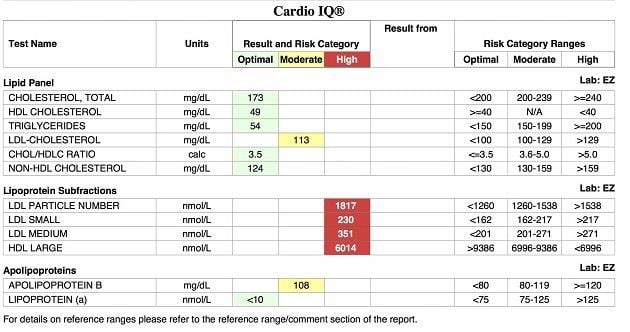
Cardio IQ Advanced Lipid Panel
Urinalysis, Complete
TSH
Thyroid Free T3
Thyroid Free T4
Reverse T3
TPO Antibodies
Thyroglobulin Antibodies
Homocysteine
Cardio C-Reactive Protein
CPK
Estradiol, Ultra Sensitive
Testosterone Total & Free (LC/MS- No upper limit)
DHEA – S
Prolactin
DHT
IGF-1
Progesterone
Estrone
Total Estrogens
LH + FSH
Anti-Müllerian Hormone (AMH)
Vitamin D (25OHD)
Vitamin B-12
Folate
Ferritin
Iron & TIBC (Total Iron Binding Capacity) -
Annual Physical Lab Test Panel$110
Learn MoreThis lab test panel includes the blood tests usually selected by physicians in an annual physical exam for men and women: CBC (Complete Blood Count: Immune Cells, Red Blood Cells/Hematocrit, and Platelets), CMP (Comprehensive Metabolic Panel: Glucose, liver and kidney function, electrolyte and fluid balance), Lipids (LDL and HDL cholesterol, and triglycerides), and A1c (Glycated Hemoglobin). This panel does not include a doctor's visit, only lab tests. Low Price Guaranteed.
-
Male Ultra Elite Panel$1,180
Learn MoreThis male ultra elite lab test panel offers the best savings for men to determine their immune health, liver and kidney function, electrolytes, blood sugar, advanced lipid panel, thyroid function, inflammatory markers involved in heart disease, testosterone total and free, urinalysis to determine UTIs and kidney function, ultrasensitive estradiol, DHEA-S, IGF-1, DHT, Prolactin, vitamins D and B12+folate, and iron/ferritin to determine fatigue, anemia or increased risk of iron overload, and PSA. -
C-Reactive Protein- High Sensitivity hs-CRP$43
Learn MoreThis high sensitivity CRP test is used along other blood markers to assess a patient's potential risk for cardiovascular disease. To illustrate the difference between CRP and hs-CRP, traditional testing measures CRP (quantitative) within the range of 10 to 1,000 mg/L, whereas hs-CRP values range from 0.5 to 10 mg/L. In simpler terms, hs-CRP measures trace amounts of CRP in the blood. Hs-CRP is the analyte of choice for cardiovascular risk assessment
-
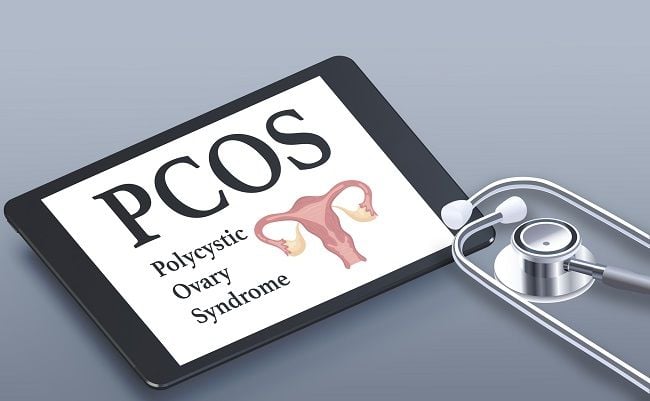
PCOS Test Panel$548
Learn MoreThis PCOS lab test panel includes: Lipid Panel, CBC, CMP, Prolactin, C-Peptide,TSH, Free T3, Fee T4, Sex Hormone binding Globulin, DHEA Sulfate, Estrogen, FSH,Insulin Fasting, A1c, LH, Progesterone, 17-OH Progesterone,Testosterone, Total (LC/MS) and Free (EquilibriumvDialysis), and Vitamin D.
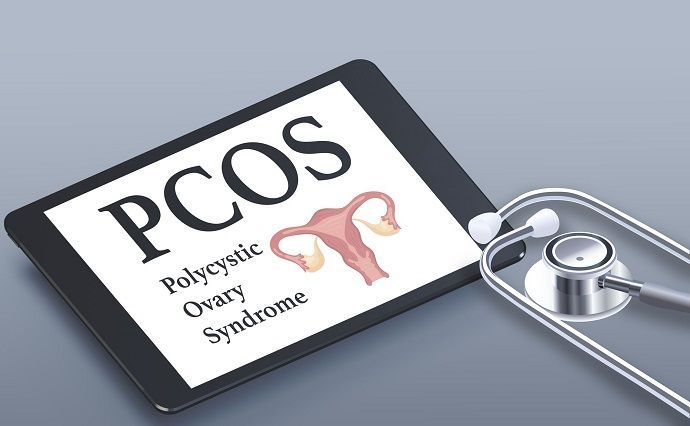
Polycystic literally means "many cysts." In medical terms, it usually refers to a condition called polycystic ovary syndrome (PCOS). PCOS is a hormonal disorder commonly seen in women of childbearing age. The condition is characterized by the presence of multiple fluid-filled cysts in the ovaries. PCOS can cause symptoms like irregular periods, weight gain, acne, and excessive hair growth. Women with PCOS may also experience infertility, diabetes, and heart disease later in life. The exact cause of PCOS is not known, but genetics and insulin resistance are considered contributing factors. PCOS is diagnosed based on symptoms, physical examination, and blood tests.
-
MTHFR Test- DNA mutation Analysis of Methylenetetrahydrofolate Reductase$800
Learn MoreQuest Diagnostics test code 17911 is for a DNA mutation analysis of Methylenetetrahydrofolate Reductase (MTHFR). The test determines if a patient has one, two, or no copies of either of the two mutations in the MTHFR gene, C677T and A1298C.
Changes in the methylenetetrahydrofolate reductase gene can lead to certain health conditions. One of them is hyperhomocysteinemia (high blood levels of homocysteine), which is a risk factor for cerebrovascular disease, cerebral vein thrombosis, coronary artery disease, myocardial infarction, and venous thrombosis. At least 40 mutations in the MTHFR gene have been identified in people with homocystinuria, a disorder in which the body is unable to process certain amino acids properly.
-
Cardio IQ Insulin Resistance Panel with Score$283
Learn MoreThe Cardio IQ® Insulin Resistance Score (IR), which uses fasting insulin and C-peptide measurements to estimate a person's likelihood of having insulin resistance. It eliminates the need for multiple samples and reduces the chance of errors that can occur with some other tests.
Having a high score (indicating a greater probability of insulin resistance) was linked to an increased risk of developing type 2 diabetes, even after accounting for other risk factors.
An IR score of <33 suggests that an individual has normal insulin sensitivity.
A score of 33 to 66 suggests that an individual has >4-fold greater odds of having IR compared with an individual with a score <33 .
A score >66 suggests that an individual has >15-fold greater odds of having IR compared to an individual with a scoreFasting Required for 10-12 hours. Water only.
-
Vitamin D ( 25OHD )$43
Learn MoreVitamin D is essential for bone health and many metabolic processes. The body derives it from sunlight and food sources. Many people do not get enough sunlight or do not consume enough vitamin D rich foods. This test is important to determine if you need vitamin D supplementation or if your current supplementation is effective.
-
Creatine Kinase (CK) or CPK , Total Plus Isoenzymes Test$95
Learn MoreThis lab test panel includes Total CK (or CPK) and relative percentage of BB (CK-1), MB (CK-2), and MM (CK-3); the percentage of macro CK, if present. The CK or CPK isoenzyme test is used to diagnose myocardial infarction (MI). Three fractions normally may be found, each an isoenzyme: • MM is found in normal serum. • MB is the myocardial fraction associated with MI and occurs in certain other states. MB can be used in the estimation of infarct size.
-
4-Tube Cortisol-Salivary$199
Learn MoreThis test for adrenal insufficiency includes 4 measurements of your salivary Cortisol level during one day. Cortisol, also known as the "stress hormone" can be either too high or too low which may be a sign of adrenal distress.
-
Water Retention Panel: Aldosterone/Plasma Renin Activity Ratio, LC/MS/MS$204
Learn MoreRenin, also known as angiotensinogenase, is an enzyme that the kidneys produce to regulate aldosterone production. It’s also essential in the renin–angiotensin aldosterone system (RAAS) which maintains your body’s fluid balance and blood pressure. Aldosterone is the primary of several endogenous members of the class of mineralocorticoids in humans. Aldosterone tends to promote sodium and water retention, and lower plasma postasium concentrations.
-
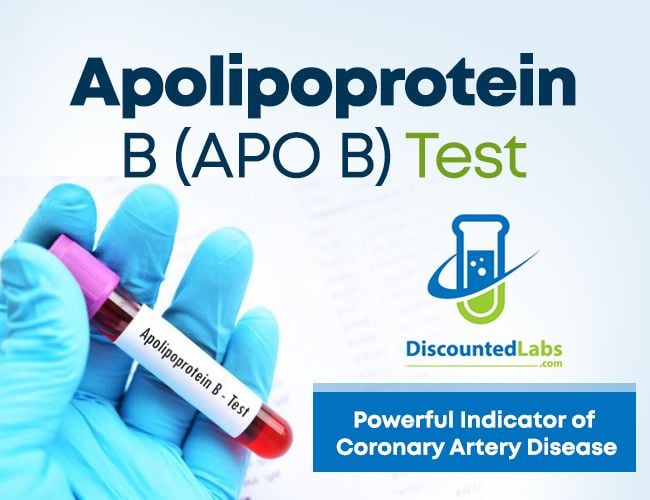
ApoB Test$50
Learn MoreApoB Blood Test has been reported to be a powerful indicator of Coronary Artery Disease (CAD). In some patients with CAD, APO B is elevated even in the presence of normal LDL cholesterol. Instead of non-HDL-C levels, ApoB levels may be used to check how well lipid treatment is working. Non-HDL-C is the total cholesterol concentration minus the amount of HDL. A healthcare practitioner may order both an lipoprotein a (associated with high-density lipoprotein (HDL), the "good" cholesterol) and an apo B to determine an apo B/apo A-I ratio. This ratio is sometimes used as an alternative to a total cholesterol/HDL ratio to evaluate risk for developing CVD.
-
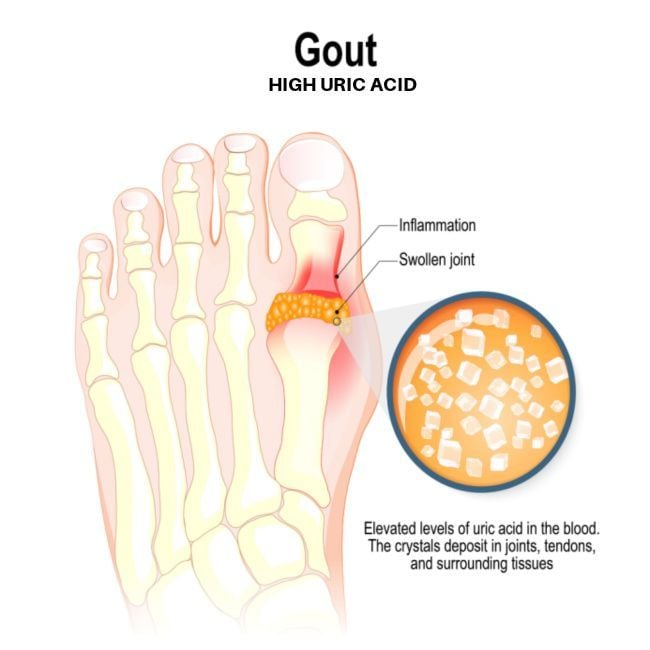
Uric Acid (Serum)$38
Learn MoreUric acid is a product produced by the body after the purines in many foods undergo the digestive process and are broken down inside the body. After this breakdown process, the uric acid travels through the bloodstream into your kidneys and most is actually eliminated through the urinary tract via urination. However, there are instances where you may have an excess of uric acid and are unable to excrete the bulk of this substance through urination. This could lead to gout-related issues.
-
C-Peptide Test$63
Learn MorePatients with diabetes may get a C-peptide test as a means of distinguishing type 1 diabetes from type 2 diabetes or Maturity onset diabetes of the young (MODY). Measuring C-peptide can help to determine how much of their own natural insulin a person is producing as C-peptide is secreted in equimolar amounts to insulin. C-peptide levels are measured instead of insulin levels because C-peptide can assess a person's own insulin secretion even if they receive insulin injections, and because the liver metabolizes a large and variable amount of insulin secreted into the portal vein but does not metabolize C-peptide, meaning blood C-peptide may be a better measure of portal insulin secretion than insulin itself.
-
ACTH Test$89
Learn MoreThis test measures levels of drenocorticotropic hormone (ACTH), which is also called adrenocorticotropin and corticotropin, a hormone made in the anterior pituitary gland that tells the adrenal glands to release cortisol, DHEA, and aldosterone. The ACTH plasma test quantifies the blood's level of ACTH. A patient's blood is drawn for the test and then sent to a lab for examination. The test findings enable the diagnosis of ailments such as Addison's disease, Cushing's syndrome, and adrenal tumors
-
Prolactin$44
Learn MoreA prolactin blood test is used by doctors to evaluate sexual dysfunction or very low testosterone blood levels of unknown causes in both men and women.
-
Cortisol Blood Test$30
Learn MoreCortisol (hydrocortisone) is the most prominent glucocorticosteroid, and it is essential for the maintenance of several body functions. The most important physiological effects of cortisol are that it raises blood sugar levels (enhances gluconeogenesis, or breaks down glucose) and lowers inflammation and the immune system.
-
Cystatin C test with EGFR$298
Learn MoreThe cystatin C test (which also includes estimated creatinine clearance eGFR) can be done along with the creatinine or creatinine clearance test in cases where those tests aren’t appropriate, such as patients taking creatine supplements for bodybuilding. These supplements can increase creatinine and decrease creatinine clearance, which can alarm doctors who fear kidney dysfunction. This creatinine increase is not clinically relevant, but running a Cystatin C test can give physicians reassurance and allow the patient to keep taking that effective bodybuilding supplement.
-
Phosphate (as Phosphorus )$20
Learn MorePhosphate (as Phosphorus) - Serum phosphorus (Phosphate) levels alone are of limited diagnostic value and should be correlated with serum calcium levels. An increased phosphorus with decreased calcium suggests either hypoparathyroidism or renal disease. A decreased phosphorus and an increased calcium suggests hyperparathyroidism or sarcoidosis. When both calcium and phosphorus are decreased diagnostic considerations include malabsorption, vitamin D deficiency and renal tubular acidosis. Increased phosphorus and normal or increased calcium suggests Milk-alkali syndrome or hypervitaminosis D.
-
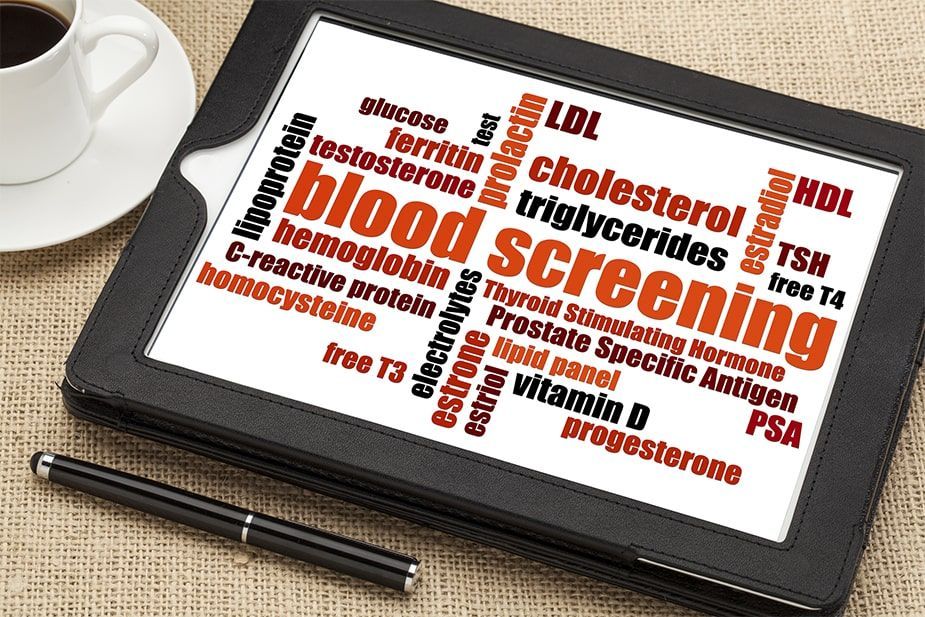
Lipid (Cholesterol) Panel (LDL, HDL, Triglycerides)$16
Learn MoreLipid Panel: Evaluates the risk for developing atherosclerosis (arterial plaque) and coronary heart disease. This test includes: Total Cholesterol, Triglycerides ,HDL Cholesterol, LDL Cholesterol, Total Cholesterol/HDL Ratio. FASTING REQUIRED.
-
A1c- Hemoglobin (Hgb)$21
Learn MoreThe A1c test works by measuring the hemoglobin A1c level. Hemoglobin is stored in the red blood cells. When glucose levels are high, the sugar starts to combine with the hemoglobin. It takes the body 8 to 12 weeks to bring hemoglobin A1c levels back to normal. Therefore, if hemoglobin A1c levels are high, that means that there has been a high level of glucose in the blood over the last 2 to 3 months.
-
Heavy Metals Test Profile , Blood: Arsenic, Lead and Mercury$282
Learn MoreThis panel measures the blood levels of arsenic, lead, and mercury.
-
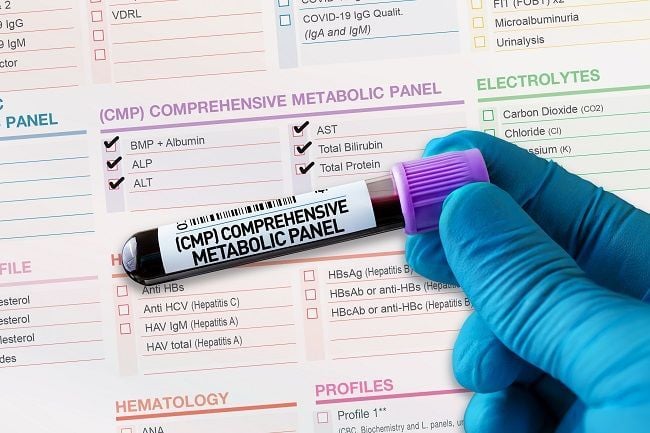
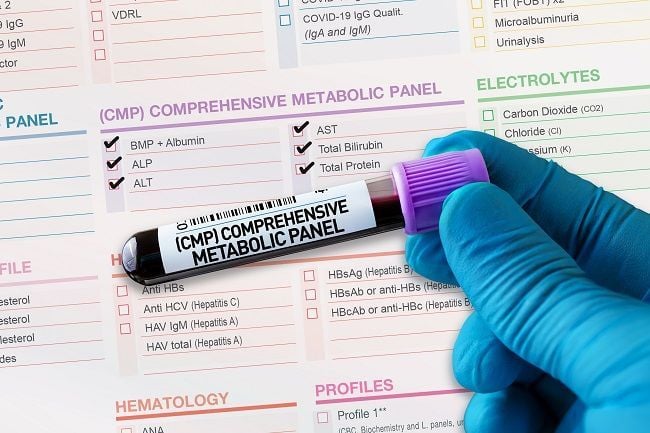
CMP Panel - Comprehensive Metabolic Panel$19
Learn MoreIncludes liver and kidney function, glucose and electrolytes
-
Aldosterone, serum$133
Learn MoreAldosterone (ALD) is one of a group of connected hormones. They form the renin-angiotensin-aldosterone system; this system is activated when there is a decrease in blood flow to your kidneys following a drop in blood volume or blood pressure